
Views: 0 Author: Site Editor Publish Time: 2025-11-03 Origin: Site

Ever wondered why your yoga practice feels incomplete? The right accessories can transform your experience. Choosing the right yoga accessories is crucial for enhancing your practice. In this post, you'll learn about essential items like yoga blocks, towels, balls, bags, resistance bands, and wheels to elevate your sessions.

A yoga mat is the core of every yoga session. It provides a stable, non-slip surface that keeps you safe during poses, especially when you start sweating. The mat cushions your joints, protecting knees and wrists from hard floors. Thickness matters: a thinner mat offers better balance for standing poses, while a thicker mat adds comfort for floor work. Materials vary—natural rubber mats provide great grip and are eco-friendly, while PVC mats tend to be more affordable but less sustainable. Investing in a quality mat helps you avoid injuries and makes your practice more enjoyable.

Yoga blocks are versatile tools designed to support your body and improve alignment. They "bring the floor closer," helping you reach during stretches and maintain proper posture. For example, in poses like Half Moon, blocks provide extra stability and prevent collapsing or twisting. Blocks come in foam, cork, or wood, and their size can usually be adjusted by positioning them differently. Beginners benefit greatly from having two blocks to support both hands or feet. They are affordable and essential for deepening your practice safely.

Yoga towels are a must-have for sweaty practices like hot yoga or power yoga. They cover your mat, absorbing moisture to prevent slipping. Unlike regular towels, yoga towels are made from microfiber for better traction and designed not to bunch up during poses. Spraying a little water on your mat before placing the towel helps it stick better. Besides safety, towels keep your mat fresh and hygienic, especially if you share mats or practice outdoors. Carrying a small hand towel is also handy for wiping sweat during sessions.
Yoga straps are fantastic tools for improving flexibility and helping you reach further in poses. If you struggle to touch your feet in seated forward bends or to clasp your hands behind your back, a strap acts like an extra arm. You loop it around your feet or hands, then gently pull to deepen the stretch without straining. Straps come in various lengths, usually around 6 feet or longer, and often feature metal D-rings for easy adjustment. Beginners can even use a belt or towel as a makeshift strap. Using straps regularly encourages gradual improvement in flexibility while maintaining proper alignment.
Bolsters are thick, firm cushions designed to support your body in various yoga poses. They shine in restorative and prenatal yoga, where comfort and relaxation are key. You can place a bolster under your knees during lying poses to relieve lower back pressure or use it to prop your torso in seated forward bends. Bolsters come in round and rectangular shapes; round bolsters offer deeper support, while rectangular ones provide a more ergonomic fit. Investing in a bolster enhances your ability to hold poses longer and relax more deeply, making your practice gentler and more accessible.
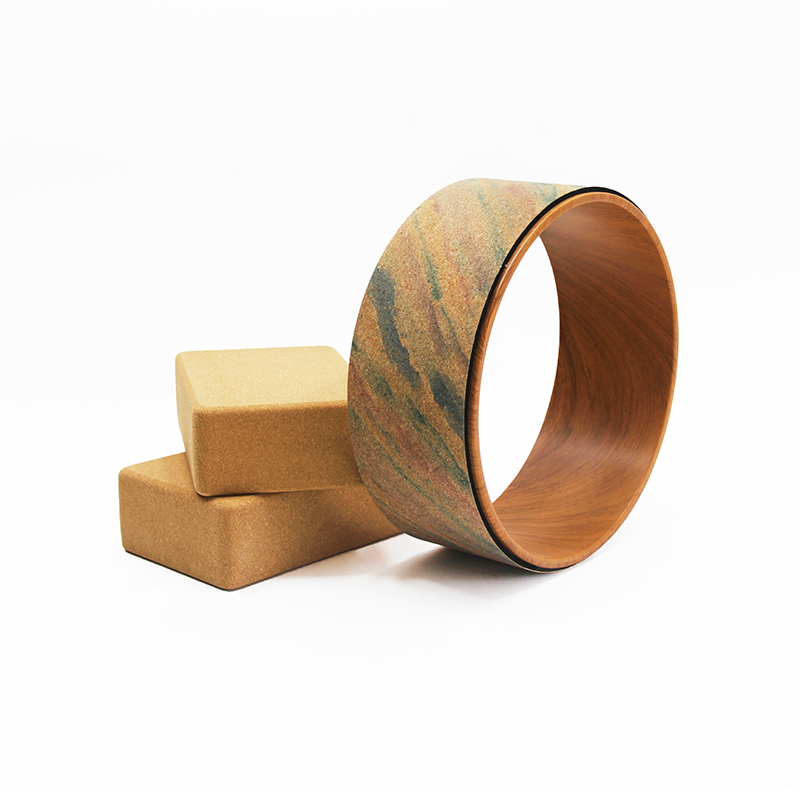
Yoga wheels are relatively new props that help deepen stretches and improve balance. They’re typically about 12 inches in diameter and 4 inches wide. Beginners can use the wheel to support the back and shoulders during chest-opening poses like Fish Pose. As you advance, wheels challenge your stability in balancing poses or help you explore backbends safely by providing gentle support. Rolling on the wheel can also massage tight muscles and increase spinal flexibility. While not essential for beginners, yoga wheels add variety and progression to your practice as you grow stronger and more confident.
Tip: Start with a yoga strap and bolster to safely extend your flexibility and comfort, then add a yoga wheel when you're ready to explore deeper stretches and balance challenges.

Yoga pants or shorts are key to feeling comfortable and moving freely during practice. They should stretch easily and stay in place through all your poses. Many yogis prefer leggings made from stretchy, moisture-wicking fabrics to keep dry and comfy. If you like looser clothing, joggers or harem pants with elastic cuffs work well, preventing fabric from getting in the way. Shorts are popular for hot yoga or warmer climates; tight-fitting styles or those with built-in liners help avoid accidental exposure during bends. The goal is to pick bottoms that won’t restrict movement or distract you.
For women, a good sports bra is essential. Yoga involves gentle movements, but support still matters, especially during transitions. Choose bras that offer light to medium support and fit snugly without digging in. Tops should be form-fitting enough to stay put during inversions or stretches. Loose shirts can slip over your head or bunch up, interrupting focus. Breathable, sweat-wicking fabrics help keep you cool and dry. Many prefer tank tops or fitted tees designed for athletic use. The right top lets you move confidently without adjusting your clothes mid-pose.
Long hair can be distracting if it falls into your face during practice. Using hair ties or headbands keeps hair secured and out of your eyes. Simple elastic bands work well for ponytails or buns. Headbands absorb sweat and prevent hair from slipping forward. Choose soft, stretchy materials that won't cause headaches or damage hair. For short hair, a headband alone might suffice. Keeping hair controlled helps maintain concentration and prevents interruptions during flow. Select yoga apparel that moves with you and stays in place—stretchy pants, supportive bras, and secure hair accessories keep your practice comfortable and distraction-free.

Carrying your yoga mat and accessories becomes much easier with a dedicated yoga bag or sling. These come in various styles, designed to keep your mat securely rolled while offering convenience and extra storage. Slings are simple straps that wrap around your mat, often secured with Velcro, allowing you to sling it over your shoulder. They are lightweight, affordable, and perfect if you prefer minimal gear.
Yoga bags are more structured and come in two main types. One style is essentially a large gym bag with straps or Velcro loops to hold your rolled mat on the outside or inside. The other is a custom-shaped mat bag that fits your rolled mat snugly, usually with a zipper or snap closure. Many bags include pockets for essentials like your phone, keys, water bottle, or wallet. This makes them ideal for those who carry more gear or want to keep everything organized in one place.
When choosing a bag or sling, consider how far you’ll carry your mat, whether you want extra storage, and your budget. Slings cost as little as $10, while high-end bags with multiple compartments can exceed $100. A good bag protects your mat from dirt and damage during transport and helps keep your gear together, making your yoga routine more seamless.
A mat bag is not just for carrying; it also protects your yoga mat from wear and tear. Rolling your mat tightly and storing it inside a bag prevents it from unrolling or getting dirty. Some bags have padded interiors to shield your mat from bumps and scratches, especially useful if you travel or store your mat in a busy space.
Certain mat bags are designed with breathable materials to prevent moisture buildup, which helps keep your mat fresh and free from odors. This is especially important if you practice hot yoga or sweat a lot during sessions. Some bags also have washable linings or are made from water-resistant fabrics, offering extra protection in wet or humid conditions.
Investing in a quality mat bag extends the life of your mat and makes transporting it hassle-free. Plus, a stylish bag or sling can reflect your personality and motivate you to keep up your practice.
Resistance bands are excellent for adding strength training to your yoga routine. These stretchy bands come in various resistance levels, from light to heavy, allowing you to tailor your workout. You can loop a band around your legs during poses like Chair or Warrior to engage your glutes more deeply. Bands also help activate muscles during balance poses, improving stability. Unlike weights, resistance bands are lightweight and portable, making them easy to use at home or on the go. They complement yoga’s focus on controlled movement by providing gentle resistance that challenges your muscles without strain.
Using resistance bands regularly can increase muscle tone and endurance, supporting better posture and injury prevention. For example, during tabletop pose, placing a band around your thighs and performing leg lifts targets the hip abductors, enhancing core strength and balance. They’re also great for rehabilitation and improving mobility. When choosing bands, look for durable materials and a variety pack to experiment with different tensions.
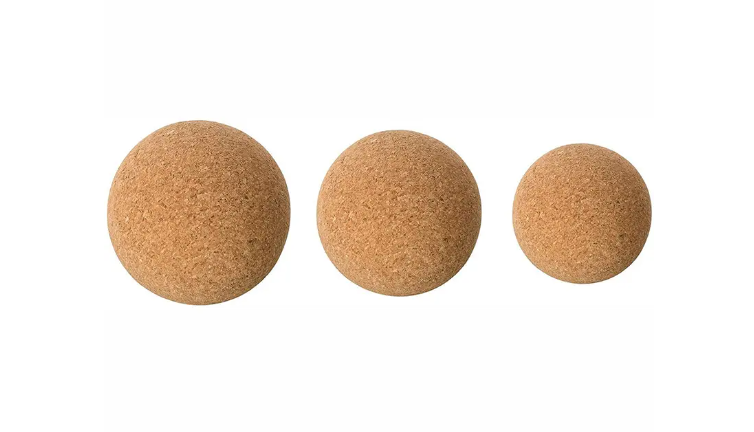
Yoga balls, also known as stability or exercise balls, are versatile tools that enhance balance and core strength. Sitting or performing poses on a yoga ball forces your body to engage stabilizing muscles to maintain posture. This improves coordination and strengthens deep core muscles that support your spine.
You can use a yoga ball for modified planks, bridges, or seated stretches, adding a dynamic element to your practice. For instance, placing your feet on the ball during a plank increases instability, making your core work harder. Balls also aid in gentle backbends and open chest postures by providing support and encouraging proper alignment.
Yoga balls come in different sizes; choosing one that fits your height ensures comfort and effectiveness. They're especially helpful for those looking to improve balance, coordination, and core endurance beyond traditional yoga poses. Plus, they double as ergonomic chairs, promoting active sitting when not used for yoga.
Creating a dedicated yoga space at home can transform your practice. It invites focus, calm, and motivation. Start by choosing a quiet corner or room with enough floor space for your mat and accessories. Natural light is a bonus—it uplifts mood and energy.
Keep the area clutter-free to avoid distractions. Use calming colors like soft blues, greens, or neutrals on walls or decor. Consider adding a small shelf or basket to neatly store your blocks, straps, and towels. This keeps everything within reach and your space tidy.
Temperature matters too. Make sure the room is comfortably warm but not stuffy. A fan or open window can help freshen the air during intense sessions. If you practice hot yoga, a heater or blanket may be necessary.
Add personal touches that inspire you—plants, candles, or artwork. These elements create a welcoming vibe and deepen your connection to the practice. A speaker or smart device can play soothing music or guided meditations.
A yoga studio at home is more than just a physical spot. It’s a sanctuary where you can retreat, recharge, and grow. Setting it up thoughtfully encourages regular practice and supports your wellness journey.
Props do more than assist with poses; they shape your practice space. Place yoga blocks, bolsters, and straps within easy reach. Organize them so you can grab what you need without interrupting flow.
Use a yoga bolster or cushion for meditation or relaxation poses. These props add comfort and support, making long holds or seated positions more accessible.
Consider a yoga wheel or resistance bands stored nearby for when you want to challenge balance or strength. Keeping these tools visible can motivate you to try new techniques.
A mat towel and hand towel should be ready for sweaty sessions. Having them handy prevents slipping and keeps your mat clean.
Storage solutions like baskets, shelves, or dedicated bags help maintain a neat environment. A tidy space reduces mental clutter and enhances focus.
Lighting can also be adjusted with dimmers or lamps for calming ambiance during evening practice or restorative sessions.
By thoughtfully arranging props and accessories, you create an inviting, practical yoga environment that encourages consistency and growth.
Yoga accessories enhance your practice by providing support, stability, and comfort. Essential items include mats, blocks, and towels, while optional tools like straps, bolsters, and wheels allow personalization. Exploring various accessories helps tailor yoga to your needs, promoting growth and enjoyment. Ecoofit offers quality products that enhance your yoga experience, providing unique benefits such as eco-friendly materials and innovative designs. Their accessories ensure safety and comfort, making your practice more effective and enjoyable.
A: Yoga accessories, like yoga blocks and towels, enhance practice by improving flexibility, stability, and hygiene.
A: A yoga block supports the body in poses, aiding alignment and flexibility, especially for beginners.
A: A yoga towel maintains grip and hygiene during sweaty sessions, preventing slips and keeping mats fresh.
A: A yoga wheel deepens stretches, improves balance, and aids in exploring advanced poses safely.


