
Views: 0 Author: Site Editor Publish Time: 2025-12-22 Origin: Site

Struggling with certain yoga poses? A yoga block might be the key to improving your practice. These simple props make poses safer and more accessible.In this post, you’ll learn what a yoga block is, the common materials and sizes available, and why they are popular among yogis.Discover how yoga blocks can support your alignment, deepen stretches, and enhance balance, no matter your skill level.
Yoga blocks serve as versatile tools that enhance your practice in many ways. Their main purpose is to make yoga poses more accessible, safer, and more effective for everyone—from beginners to advanced practitioners.
One of the primary uses of a yoga block is to bring the floor closer to you. For example, if you’re a beginner struggling to reach the ground in poses like Triangle or Forward Fold, placing your hands on a block helps you maintain proper form without overreaching. This makes poses less intimidating and more achievable, building confidence as you progress.
Using yoga blocks helps keep your body aligned correctly. They act as extensions of your limbs, supporting your weight where flexibility or strength may be limited. For instance, in poses like Supported Bridge or Seated Forward Fold, a block under the sacrum or hands ensures your posture stays safe and effective, reducing the risk of injury.
Blocks allow you to deepen your stretches gradually. By adjusting the height of the block, you can sink further into poses like Pigeon or Half Moon without straining. This controlled progression improves flexibility over time while protecting muscles and joints.
Yoga blocks help prevent strain by supporting your body in vulnerable areas. If you experience back pain, neck pain, or shoulder discomfort, placing a block strategically can relieve pressure. For example, a block under the upper back in Supported Fish pose can ease tension and encourage relaxation.
Balance poses can be challenging, especially for beginners. Yoga blocks provide a steady base to lean on, enhancing stability in standing balances like Warrior III or Half Moon. This support reduces the risk of falls and builds the strength needed to hold poses independently.
Advanced yogis can use blocks to increase the difficulty of their practice. Standing on a block during a Forward Fold adds instability, engaging core muscles more deeply. Squeezing a block between the thighs in Bridge Pose can build inner thigh strength. Blocks offer endless ways to refine and challenge your technique.
For those recovering from injuries or with limited mobility, yoga blocks are invaluable. They modify poses to accommodate physical needs, making yoga accessible and therapeutic. Blocks can reduce discomfort and encourage gentle movement, aiding recovery without overexertion.
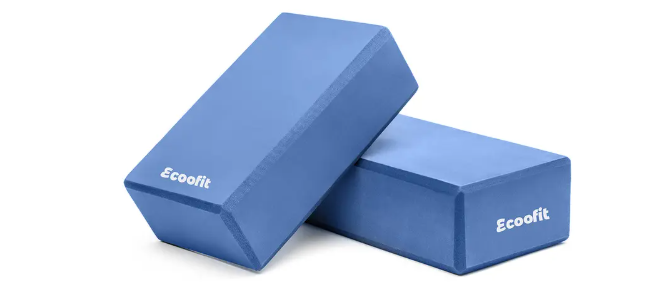
Exercise Stretching Bricks are more than just props; they are essential tools that enhance your yoga experience by improving posture, deepening stretches, building strength, and boosting balance. Whether you’re using a yoga block for beginners or advancing your practice, understanding how to use them effectively can transform your routine.
One of the primary benefits of using a yoga block is its ability to help maintain proper alignment. When your body can’t quite reach the floor or hold a pose comfortably, a block acts as an extension of your limbs. For example, placing a block under your hands in poses like Triangle or Extended Side Angle supports your posture, keeping the spine straight and shoulders relaxed. This reduces the risk of strain and promotes better posture during your yoga practice.
Yoga blocks enable you to gradually deepen your stretches without overextending. By adjusting the height of the block, you can ease into poses like Forward Fold or Pigeon Pose more comfortably. This controlled support allows muscles to lengthen safely, increasing flexibility over time. For instance, resting your hands on a block during a Forward Fold prevents rounding the back while encouraging a deeper hamstring stretch.
Blocks aren’t just for support; they can also add resistance and challenge to your practice. Squeezing a block between your thighs during Bridge Pose activates inner thigh muscles, helping to build strength. Similarly, balancing on a block in standing poses engages your core and stabilizer muscles more intensely. Incorporating these techniques enhances your overall muscle tone and control.
Balancing poses like Half Moon or Warrior III can be tricky, especially for beginners. Using a yoga block provides a stable base to rest your hand or foot, improving balance and confidence. This stability helps you focus on engaging the right muscles and aligning your body correctly, reducing the chance of falls or injury. Over time, as your balance improves, you can reduce reliance on the block.
Everyone’s body is different, and yoga blocks allow you to tailor poses to your flexibility level. Whether you’re a beginner or more advanced, blocks help bridge the gap between your current range of motion and the ideal pose form. For example, sitting on a block during seated poses like Sukhasana (Easy Pose) lifts the hips, making it easier to keep the spine straight and reducing knee discomfort. This customization encourages a safer and more enjoyable practice.
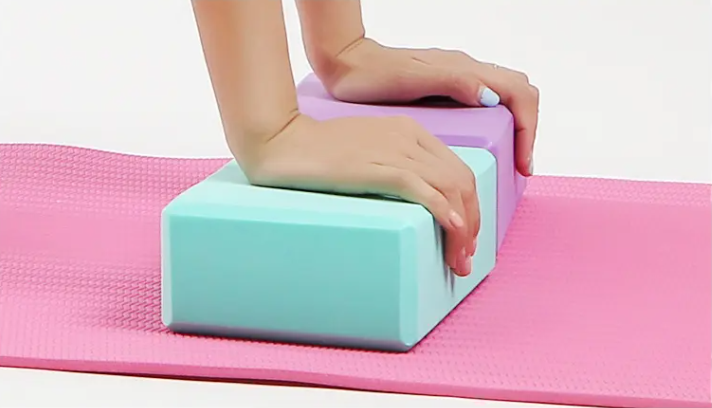
Eva Foam Yoga blocks are valuable tools for practitioners at every stage, from beginners to advanced yogis. Understanding the specific benefits of yoga blocks for different skill levels helps you make the most of your practice and use these props effectively.
For those new to yoga, using yoga blocks for beginners can be a game changer. Blocks provide essential support, helping you maintain proper alignment and reducing the risk of injury. Beginners often struggle with flexibility and balance, so a block brings the floor closer, making poses more accessible. For example, placing a block under your hands in Triangle Pose or Forward Fold allows you to keep your spine straight without straining. This support builds confidence, encouraging you to explore new poses safely and comfortably.
As you progress, yoga blocks continue to offer significant benefits. Intermediate practitioners can use blocks to refine technique by deepening stretches and improving posture. Using a yoga block for stretching helps you engage muscles correctly and maintain balance. For instance, in Half Moon Pose, resting your lower hand on a block enhances stability and alignment. Blocks also assist in modifying poses to match your evolving flexibility, making your practice more effective and enjoyable.
Advanced yogis can use yoga blocks to add challenge and control to their routines. Blocks can increase instability, requiring greater strength and focus. Standing on a block during Forward Fold, for example, intensifies core engagement and balance. Squeezing a block between your thighs in Bridge Pose builds inner thigh strength. These creative uses of yoga blocks push your limits and deepen your mastery of poses.
Yoga blocks are invaluable for those recovering from injuries or with limited mobility. They provide gentle support, allowing you to modify poses to avoid pain and strain. For example, placing a block under the sacrum in Supported Bridge Pose eases back pain and supports the lower back. Blocks can also relieve neck pain and shoulder pain by offering proper cushioning and alignment in restorative poses. This adaptability makes yoga accessible and therapeutic, promoting healing and gradual strength building.
Selecting the perfect yoga block can significantly enhance your practice. Since yoga blocks come in various materials, sizes, and shapes, understanding their differences helps you find the best fit for your needs.
Yoga blocks are commonly made from foam, cork, or wood, each with unique qualities:
Foam Blocks: Lightweight and soft, foam blocks are easy to carry and ideal for beginners. They offer gentle support but may compress under heavy pressure, which can reduce stability in some poses.
Cork Blocks: Cork blocks are denser and sturdier than foam, providing firm support and excellent grip even during sweaty sessions. They are eco-friendly, durable, and preferred for more advanced poses requiring stability.
Wooden Blocks: The firmest option, wooden blocks offer solid support and durability. However, they can be heavier and less forgiving on the body, making them less common for beginners.
Choosing between these depends on your practice style, comfort preference, and environmental values.
When selecting a yoga block, consider:
Durability: Cork and wood tend to last longer than foam, especially with frequent use.
Weight: Foam blocks are the lightest, making them travel-friendly. Cork blocks have moderate weight, while wooden blocks are the heaviest.
Grip: Cork naturally provides a non-slip surface, ideal for sweaty hands. Foam can become slippery, and wooden blocks may feel hard but stable.
If sustainability matters to you, cork blocks stand out as the eco-friendliest option. Cork is harvested from the bark of cork oak trees without harming them, making it renewable and biodegradable. Foam blocks, often made from synthetic materials, have a larger environmental footprint. Wooden blocks can be sustainable if sourced responsibly, but this varies by manufacturer.
Standard yoga blocks measure about 9 x 6 x 4 inches, but variations exist:
Size: Taller blocks provide more lift, helpful for those needing extra support or with limited flexibility. Shorter blocks suit those wanting closer floor contact.
Shape: Most blocks are rectangular, but some brands offer contoured or rounded edges for comfort and better grip.
If you practice mostly seated poses or restorative yoga, a larger, cushioned block may be better. For balance-focused or strength-building practices, firmer, smaller blocks might be preferable.
Yoga blocks are incredibly versatile and can be seamlessly integrated into your practice to enhance comfort, alignment, and effectiveness. Whether you’re using a yoga block for beginners or looking to deepen your stretches, blocks can transform your routine in many practical ways.
Many practitioners find seated poses challenging due to tight hips or knees. Placing a yoga block under your sit bones in Sukhasana (Easy Pose) or Hero Pose elevates the hips, helping maintain a straight spine and reducing knee strain. This adjustment improves posture and makes sitting more comfortable during meditation or breathing exercises. Using a block here is especially beneficial for beginners who are still developing flexibility and need extra support to sustain seated positions.
Forward folds like Uttanasana (Standing Forward Fold) often require flexibility that beginners or even intermediate yogis may lack. Resting your hands on blocks brings the floor closer, allowing you to keep your back flat and hips lifted without overreaching. Similarly, in standing balances such as Half Moon Pose, a block under the lower hand provides stability and balance assistance. This support reduces the risk of falls and helps you focus on proper alignment and muscle engagement.
Blocks are excellent for restorative yoga, where the goal is to relax and release tension. Placing a block under the sacrum in Supported Bridge Pose or beneath the shoulder blades in Supported Fish Pose encourages gentle backbends and chest opening without strain. For those dealing with back pain, neck pain, or shoulder pain, these supports can alleviate discomfort and promote healing. Blocks help you hold restorative poses longer and more comfortably, deepening relaxation and stress relief.
Yoga blocks can also add challenge and resistance to your practice. For example, squeezing a block between your thighs during Bridge Pose activates the inner thigh muscles, building strength. Balancing on a block during poses like Crow Pose increases core engagement and stability. These uses of blocks encourage muscle activation and control, enhancing your overall strength and body awareness.
Butterfly Pose: Place blocks under knees for hip support and to ease tension.
Pigeon Pose: A block under the front thigh helps keep hips level and reduces knee strain.
Extended Side Angle: Rest your lower hand on a block to maintain alignment without overstretching.
Crow Pose: Blocks under hands provide extra lift and balance assistance.
Supported Reclined Bound Angle: Blocks under knees or pelvis promote relaxation and open hips gently.
By experimenting with where and how you place your yoga blocks, you can customize your practice to suit your body’s needs and goals.
Proper care and maintenance of your yoga block ensure it remains supportive and durable throughout your practice. Whether you use foam or cork blocks, following simple cleaning and storage routines can extend their lifespan and keep them hygienic.
Foam blocks are lightweight and absorb sweat easily, so regular cleaning is essential. Use a mild soap mixed with warm water and a soft cloth or sponge to wipe down the surface. Avoid soaking foam blocks, as excess water can damage the material. After cleaning, air dry them completely before storing.Cork blocks are naturally antimicrobial and resist odors, but they still benefit from occasional cleaning. Wipe them with a damp cloth and a small amount of gentle soap. Avoid harsh chemicals or abrasive scrubbing that can wear down the cork surface. Let cork blocks air dry away from direct sunlight to prevent cracking.
Store your yoga blocks in a cool, dry place away from direct sunlight and moisture. Excessive heat or humidity can cause foam blocks to degrade and cork blocks to crack or warp. Keeping blocks off the floor and stacked neatly helps maintain their shape and prevents damage.If you travel with your blocks, use a protective bag or case to avoid scratches and dents. Regularly inspect your blocks for signs of wear, such as cracks, dents, or loss of firmness, which can affect their support.
Yoga blocks provide essential support and alignment benefits, but over time, they can lose their effectiveness. Replace your block if it:
Shows visible cracks, splits, or significant dents
Feels too soft or compressed, reducing stability
Develops unpleasant odors or stains that don’t clean off
No longer provides the support needed for your practice
Using a worn-out block can compromise your posture and increase injury risk, so timely replacement is important.
Yoga blocks enhance accessibility, support alignment, deepen stretches, and improve balance for all skill levels. They prevent injury and offer modifications for recovery. Experimenting with blocks customizes your practice, making poses safer and more effective. As versatile tools, blocks help beginners gain confidence and advanced yogis increase challenge. Ecoofit provides high-quality yoga blocks designed for durability, comfort, and eco-friendly use, adding great value to your yoga routine. Incorporate Ecoofit blocks to elevate your practice safely and sustainably.
A: The main purpose of using a yoga block is to enhance accessibility and support in poses, making them safer and more effective by improving alignment, balance, and flexibility.
A: Yoga blocks for beginners provide essential support to maintain proper posture, build confidence, and make challenging poses more accessible by bringing the floor closer.
A: Yes, using a yoga block strategically can relieve back pain, neck pain, and shoulder pain by supporting vulnerable areas and promoting proper alignment during restorative poses.
A: To use a yoga block for stretching, place it under your hands or limbs to gradually deepen stretches safely, allowing muscles to lengthen without strain.
A: Yoga block benefits for posture include maintaining spinal alignment, reducing muscle strain, and supporting proper form, which helps prevent injury and improves overall practice quality.
A: Foam blocks are lightweight and beginner-friendly, cork blocks offer firm support and grip, and wooden blocks provide the most stability; choose based on your practice style and comfort.
A: Advanced practitioners can use yoga blocks to add instability or resistance, such as standing on a block or squeezing it between the thighs, enhancing strength and balance.
A: Clean foam blocks with mild soap and a damp cloth, cork blocks with a gentle wipe, and store them in a dry, cool place to prolong their lifespan and hygiene.


