
Views: 0 Author: Site Editor Publish Time: 2026-09-08 Origin: Site
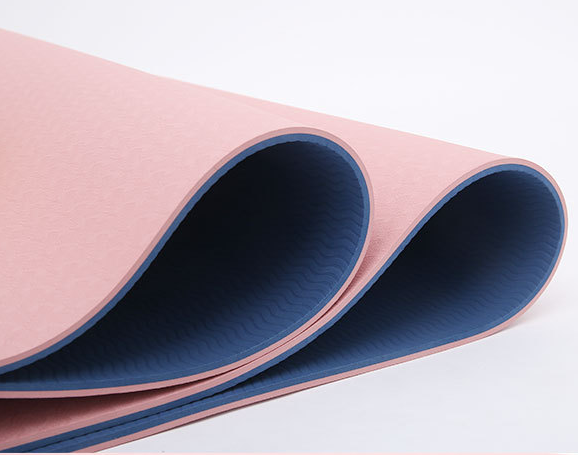
High-traffic commercial yoga studios subject equipment to extreme wear. Relying on consumer-grade mats leads to rapid degradation, poor client experiences, and inflated replacement cycles. Facility operators must balance upfront procurement decisions with long-term durability, stringent hygiene requirements, and the performance expectations of paying members. Selecting the optimal Material of Yoga Mats requires moving beyond aesthetic preferences. It demands evaluating tensile strength, cellular structure, maintenance overhead, branding potential, and alignment with specific yoga modalities. We will examine how different materials hold up under the stress of back-to-back classes, rigorous sanitization protocols, and heavy daily foot traffic.
Cellular Structure Dictates Hygiene: Closed-cell materials block moisture and bacteria but offer less wet grip; open-cell materials provide superior grip but demand rigorous, specialized sanitization protocols.
Modality-Specific Matching: There is no universal solution. A PU yoga mat excels in alignment-focused Vinyasa, a cork yoga mat is optimal for heated environments, and a TPE yoga mat provides cost-effective cushioning for low-impact classes.
Brand Alignment and Customization: The material dictates how well a mat can hold custom studio logos (e.g., laser engraving vs. screen printing) and directly impacts the studio's sustainability narrative.
Risk Mitigation is Essential: Material selection directly impacts studio liability, from managing latex allergies (natural rubber) to preventing slip-and-fall incidents in hot yoga.
Commercial yoga mats endure relentless abuse. An average studio mat sees three to five distinct uses every single day. Over a single month, that translates to over a hundred hours of friction, sweat exposure, and heavy compression. This volume of traffic rapidly exposes the structural weaknesses of inferior materials. Facility managers must evaluate tensile strength, which dictates how well a mat resists stretching and tearing under lateral force. Dynamic movements like jump-backs and wide-stance poses place immense sheer stress on the mat surface. If a mat stretches during Downward-Facing Dog, it destabilizes the practitioner and ruins their focus.
Compression set is another critical metric for studio equipment. This refers to the ability of the material to rebound after bearing concentrated weight. Mats with poor compression resistance develop permanent divots where heels and palms repeatedly press into the foam. You need materials that resist flaking, maintain structural integrity, and bounce back to their original thickness instantly. When evaluating samples, studio owners should perform the following stress tests:
The Pinch Test: Dig your fingernails into the surface and twist. Observe if the top layer flakes or tears.
The Stretch Test: Pull the mat forcefully from opposite ends to check for internal mesh reinforcement.
The Rebound Test: Place a heavy dumbbell on the mat for twenty-four hours, remove it, and measure how long the indentation takes to disappear.
Studio schedules often leave only ten to fifteen minutes between back-to-back classes. This operational reality makes rapid sanitization non-negotiable. The cellular structure of the mat dictates your entire cleaning protocol. Closed-cell foams block moisture completely. Staff can spray them with commercial-grade disinfectants, wipe them down, and dry them in seconds. The liquid never penetrates the surface, preventing bacteria from taking root inside the core of the mat.
Open-cell structures absorb sweat, body oils, and cleaning fluids. They require specific enzyme-based cleaners to break down organic matter trapped beneath the surface. Using harsh quaternary ammonium chemicals on open-cell mats degrades the material and leaves a slippery, soapy residue that activates during the next sweaty class. Drying time directly impacts class turnover. Mats that retain moisture cannot be rolled and stored immediately. If staff roll damp open-cell mats and stack them in a dark storage closet, mold growth and severe odor accumulation are guaranteed.
Slip resistance directly impacts client safety and studio liability. Grip performance changes drastically depending on moisture levels. The dry coefficient of friction measures traction in unheated, low-intensity classes like Yin or Restorative yoga. Most materials perform adequately under completely dry conditions. However, the wet coefficient of friction separates premium studio equipment from consumer alternatives.
When sweat accumulates, closed-cell synthetic surfaces often become dangerous slip hazards. The moisture sits on top of the impermeable layer, acting as a lubricant between the practitioner's hands and the mat. Conversely, open-cell materials and natural fibers draw moisture away from the surface through capillary action. Some materials actually increase their adhesive properties when wet. Matching the grip profile to the studio environment prevents injuries and enhances the practitioner's stability during complex balancing postures.
Cushioning requirements vary wildly across different yoga disciplines. A common misconception in studio procurement is that thicker mats automatically provide better support. In reality, density is the true measure of joint protection. High-density materials provide substantial impact absorption even at a minimal thickness of three to four millimeters. They offer excellent proprioception, allowing practitioners to feel the hard floor beneath them for standing balance poses like Tree Pose or Half Moon.
Low-density foams require five to six millimeters of thickness to prevent joints from bottoming out against the floor during kneeling postures. While thick, low-density mats feel plush initially, they compromise standing stability. Practitioners often wobble on overly soft surfaces because the foam compresses unevenly under their feet, forcing their ankles to make constant micro-adjustments. Commercial studios must select a density profile that protects knees during lunges without destabilizing single-leg balances.
Custom branding elevates the perceived value of a studio. Different materials respond uniquely to wholesale customization techniques. Laser engraving burns the studio logo directly into the top layer of the mat. This creates a permanent, elegant, and tactile design that will never fade or peel, regardless of how many times it is scrubbed. It works exceptionally well on dual-layer synthetic mats and natural cork.
UV printing and screen printing apply ink to the surface. These methods allow for vibrant, full-color logos but are highly susceptible to friction wear. After a few months of dragging toes across a printed logo, the ink inevitably chips and fades, leaving the mat looking dilapidated. Embossing presses a heated stamp into the material, creating a subtle, indented logo. The chosen material dictates the available branding methods. Facility operators must ensure the branding application can withstand daily commercial cleaning without degrading.
Polyurethane represents the pinnacle of high-performance studio equipment. A PU yoga mat typically features a dual-layer construction. An ultra-grippy, open-cell polyurethane top layer bonds to a dense, closed-cell base, usually made of natural rubber or high-density foam. This combination delivers exceptional dry and wet grip alongside a smooth, premium tactile feel. Clients instantly recognize the high perceived value of polyurethane the moment they step onto it.
The material takes laser-engraved logos exceptionally well, creating crisp, permanent branding that withstands heavy foot traffic. However, the open-cell surface shows sweat stains immediately during practice. It requires specific, non-oil-based cleaners to prevent the grip from degrading over time. The mixed-material construction makes recycling difficult at the end of its lifespan. Despite a higher initial procurement requirement, polyurethane drives excellent client satisfaction and retention in premium, alignment-focused studios.
Cork offers a unique, organic alternative for commercial spaces. A cork yoga mat contains suberin, a naturally occurring waxy substance that repels dust and provides antimicrobial properties. The defining characteristic of cork is its reaction to moisture. The grip increases significantly as the textured surface absorbs sweat. This completely eliminates the need for cumbersome studio towels in heated environments, streamlining the practitioner's experience.
Cork strongly supports eco-friendly branding initiatives and resists odor buildup naturally. Laser-engraved logos look highly organic and permanent on a cork surface. On the downside, cork can become brittle if rolled incorrectly. Staff must ensure the cork side always faces outward when rolling to prevent the material from cracking. Edges may chip over time under heavy commercial abuse. With proper staff training on storage and handling, cork delivers an excellent lifespan.
Thermoplastic elastomer provides a highly lightweight, hypoallergenic solution. A TPE yoga mat utilizes a closed-cell construction, making it completely impermeable to sweat and bacteria. This allows for instant sanitization. Staff can wipe down TPE mats and dry them immediately, facilitating rapid class turnovers in busy facilities. TPE is highly cost-effective for bulk facility outfitting and is fully recyclable at the end of its lifecycle.
The deep cushioning appeals to restorative practices and older demographics requiring extra joint support. However, TPE possesses lower heat resistance and can warp if left in direct sunlight or hot vehicles. It is less durable under high-friction, dynamic movements like jump-throughs, where the foam can begin to shred. The wet grip is inferior to open-cell alternatives, and printed logos tend to wear off quickly under commercial use. TPE remains ideal for high-volume, low-impact studios.
Natural rubber delivers heavy-duty performance and dense cushioning. It provides an exceptionally strong dry grip and lays perfectly flat on the studio floor without edge curling, even after being rolled up for days. Rubber is highly resilient to compression, bouncing back instantly from heavy loads. It appeals to eco-conscious studios due to its biodegradable nature and sustainable harvesting methods.
The primary commercial drawback is liability. Natural rubber contains latex, presenting a severe allergy risk to certain clients. New rubber mats also emit a distinct, strong odor that requires a lengthy off-gassing period before they can be deployed in a closed studio environment. The material degrades faster if exposed to UV light or ozone. Furthermore, rubber is incredibly heavy. Moving stacks of rubber mats increases physical strain on studio staff during room resets.
Polyvinyl chloride is the traditional sticky mat found in older studios. It is highly dense and offers the longest-lasting durability on the market. PVC is virtually immune to harsh commercial cleaners and resists tearing under extreme abuse. It supports vibrant, full-color custom printing better than most alternatives.
However, PVC features zero moisture absorption. When sweat hits a PVC surface, it becomes a severe slip hazard, requiring the mandatory use of grip towels. PVC also carries significant environmental and toxicity concerns. The manufacturing process involves phthalates, which conflicts heavily with modern wellness branding. PVC is entirely non-biodegradable, meaning every retired mat is bound for a landfill. While highly durable, PVC often creates brand dissonance in premium, health-focused facilities.
| Material | Cellular Structure | Wet Grip Performance | Sanitization Speed | Ideal Modality |
|---|---|---|---|---|
| Polyurethane (PU) | Open-Cell Top | Excellent | Slow (Requires Drying) | Vinyasa / Power Yoga |
| Cork | Absorbent Natural | Superior | Moderate | Hot Yoga / Bikram |
| TPE | Closed-Cell | Poor | Instant | Yin / Restorative |
| Natural Rubber | Closed-Cell | Moderate | Fast | Ashtanga / Hatha |
| PVC | Closed-Cell | Dangerous when wet | Instant | Beginner / Low-Impact |
Heated environments demand materials capable of managing excessive moisture. Cork and polyurethane are the optimal choices for high-sweat modalities. The necessity for moisture absorption and a high wet-grip coefficient overrides all other factors in a heated room. Closed-cell mats become dangerous slip hazards in hot yoga unless covered entirely by a specialized yoga towel. Towels add massive laundry overhead, increase operational friction, and often bunch up during practice, frustrating the client.
Cork actively utilizes sweat to enhance traction. As the suberin wax interacts with moisture, the surface becomes noticeably tackier. Polyurethane draws moisture away from the contact surface into its open-cell top layer, keeping the practitioner's hands dry and planted. Both materials keep practitioners stable during intense, heated flows without requiring secondary grip accessories.
Dynamic practices involve jump-throughs, rapid transitions, and heavy lateral force. Natural rubber and polyurethane excel in these environments. These modalities require high-density materials to protect joints during repetitive impacts. Low-density foams will compress entirely under the weight of a jump-back, bruising palms and knees against the hardwood floor.
High tensile strength is equally critical. When a practitioner pushes back into downward dog or transitions into a wide-legged forward fold, the mat must not stretch or bunch up. Rubber and polyurethane maintain structural rigidity under sheer force. They provide a stable, unyielding foundation for aggressive physical practices, ensuring the mat stays exactly where it was placed at the beginning of class.
Restorative modalities focus on long-held, static postures on the floor. Sweat absorption is a non-issue in these unheated, slow-paced classes. Thermal insulation from cold studio floors and deep, plush cushioning take priority over wet grip and tensile strength. TPE and thick PVC are the optimal choices here.
These materials provide a thick barrier between the practitioner and the hard ground. The closed-cell nature of TPE traps air, offering excellent thermal resistance to keep clients warm during a ten-minute Savasana. Clients holding Yin poses for extended periods require the softness that low-density TPE provides to prevent bone compression. The lack of dynamic movement means the lower tensile strength of TPE will not be exposed or tested.
Facility operators must evaluate the expected lifespan in months rather than just looking at the initial unit procurement. Inferior materials often require replacement every three to six months in high-traffic commercial settings. The top layer shreds, the foam compresses permanently, and the edges begin to curl, creating tripping hazards. Premium materials can last twelve to twenty-four months under the same rigorous conditions.
Investing in highly durable materials reduces the frequency of replacement cycles and minimizes the administrative burden of constantly sourcing new equipment. You must also factor in the annual cleaning supply requirements. Open-cell materials require specialized, often more expensive, enzyme cleaners to maintain their grip. Closed-cell materials can be sanitized with standard, bulk-purchased disinfectants. Balancing the lifespan against the daily maintenance requirements dictates the true operational efficiency of the equipment.
The physical weight of the mats directly impacts studio logistics and staff well-being. Natural rubber and polyurethane mats can weigh between six and eight pounds each. Outfitting a fifty-mat studio means staff are moving up to four hundred pounds of equipment during room resets. This requires heavy-duty, reinforced storage racks. Standard wooden cubbies will bow and break under this weight. It also increases the physical strain on employees who must roll and stack dozens of heavy mats multiple times a day.
Conversely, TPE mats weigh only two to three pounds. This lightweight profile allows for rapid, low-effort studio turnovers. Staff can easily carry five or six mats simultaneously under one arm. Facility managers must assess their storage infrastructure and the physical bandwidth of their team before committing to heavy, dense materials.
Procuring equipment for a commercial facility requires strict supplier vetting. Evaluate supplier guarantees regarding material degradation, edge curling, and logo fading. A warranty that covers manufacturing defects but explicitly excludes commercial wear-and-tear offers little protection for a high-volume studio.
Request minimum order quantity samples for in-studio stress testing. Subject these samples to your exact cleaning protocols and highest-traffic classes for several weeks. Observe how the edges hold up to being rolled repeatedly. Check for any fading on custom branding after exposure to your specific disinfectants. Never commit to a full facility outfitting without verifying the supplier's claims through rigorous, real-world testing on your own studio floor.
Open-cell mats absorb bacteria, dead skin cells, and sweat. Without strict maintenance, they will develop a permanent, sour odor that ruins the studio experience and drives clients away. Mitigate this risk by implementing non-negotiable weekly deep-cleaning schedules. Use enzyme-based cleaners specifically formulated to break down organic matter inside the cellular structure.
Ensure mats are hung over drying racks with adequate airflow. Never allow staff to roll and store open-cell mats while they are still damp. Proper ventilation and strict adherence to drying times prevent microbial growth. If your studio lacks the space to hang fifty mats to dry overnight, you must opt for closed-cell materials.
Introducing natural rubber into a commercial space introduces latex. This creates a severe liability risk regarding anaphylaxis or contact dermatitis for allergic clients. In a heated room, latex particles can even become airborne, exacerbating respiratory reactions. Mitigate this risk by opting for synthetic, latex-free alternatives like polyurethane or TPE.
If natural rubber is essential for your specific modality, you must implement strict allergy management protocols. Clearly mandate and display latex-warning signage at the front desk and inside the studio. Require clients to acknowledge the presence of latex in their liability waivers before practicing.
Clients judge the quality of a studio by the equipment provided. Utilizing flaky, unbranded mats in a premium-priced studio creates severe brand dissonance. Clients paying high membership fees expect high-performance gear that enhances their practice. Mitigate this by aligning your procurement strategy with your brand values.
If you market your facility as a luxury, alignment-focused space, invest in laser-engraved polyurethane. If your brand identity centers on sustainability and holistic wellness, select natural cork or rubber. The physical equipment must justify the membership tier and reinforce the marketing narrative of the facility.
Commercial studios cycle through hundreds of mats over a few years. Accumulating non-recyclable waste contradicts the core wellness values of the yoga industry. Mitigate this environmental impact by planning for end-of-life disposal before procurement.
Partner with specialized mat recycling programs if you utilize TPE or PVC. Alternatively, invest strictly in biodegradable materials like cork and natural rubber to support a zero-waste studio initiative. Avoid greenwashing by ensuring your marketing claims regarding sustainability match the actual lifecycle and disposal methods of your studio equipment.
The optimal material depends entirely on the studio's primary modality, cleaning bandwidth, and brand positioning. Facility operators must look past initial procurement numbers and evaluate durability, hygiene requirements, and client safety. By matching the cellular structure and density to your specific class offerings, you elevate the practitioner experience and streamline daily operations.
Audit your current class schedules to determine the dominant modality and average sweat levels before contacting suppliers.
Order single samples of three different materials and subject them to your specific commercial disinfectants for two weeks to test chemical resistance.
Assess your storage infrastructure to ensure wall racks or rolling carts can support the total weight of your chosen equipment.
Update your facility liability waivers to include latex allergy acknowledgments if you select natural rubber.
A: Replacement frequency depends on class volume and material density. High-traffic studios using low-density materials may need replacements every three to six months. Premium, high-density materials can last twelve to twenty-four months under the same daily commercial use.
A: No. Machine washing destroys the structural integrity of open-cell materials and degrades the adhesive layers. Always use manual spray protocols with enzyme-based cleaners and allow the equipment to air dry completely on a rack.
A: TPE and polyurethane are completely synthetic and latex-free, making them the safest choices for allergy prevention. Avoid natural rubber entirely if latex liability is a primary concern for your facility.
A: New cork surfaces often feel slightly stiff or slick due to the natural suberin wax. The grip improves significantly after a few weeks of use as the surface texture breaks in and begins absorbing moisture more efficiently.
A: TPE is generally not recommended for hot yoga. The closed-cell surface becomes highly slippery when exposed to heavy sweat, and the material can warp or degrade faster when subjected to high ambient temperatures.
A: Excessive thickness in low-density materials creates a highly unstable surface, causing practitioners to wobble during single-leg balances. High-density materials provide necessary joint protection at thinner profiles, allowing for better proprioception and ground feel.


