
Views: 0 Author: Site Editor Publish Time: 2026-09-25 Origin: Site

The surface beneath every yoga practice influences how students move, balance, and connect with each pose. For a commercial yoga studio, choosing the right yoga mat material is not only about comfort but also about creating a consistent experience across hundreds of classes.
Studio environments place higher demands on yoga mats than personal practice. Mats need to provide reliable grip, maintain their structure after repeated use, and remain easy to clean between sessions. Different materials offer different advantages, making it important for yoga businesses to understand how each option performs.
A yoga mat is more than a simple exercise surface. In a professional studio, it affects safety, comfort, and the overall impression students have during classes.
A suitable material can help practitioners maintain stability during challenging movements while providing enough cushioning for repeated practice. At the same time, studio owners need to consider maintenance efficiency because mats are cleaned and reused every day.
Material selection influences several important factors:
· Grip performance during movement
· Durability under frequent use
· Comfort for different yoga styles
Understanding these differences allows studios to invest in Yoga Mats that provide better value over time.
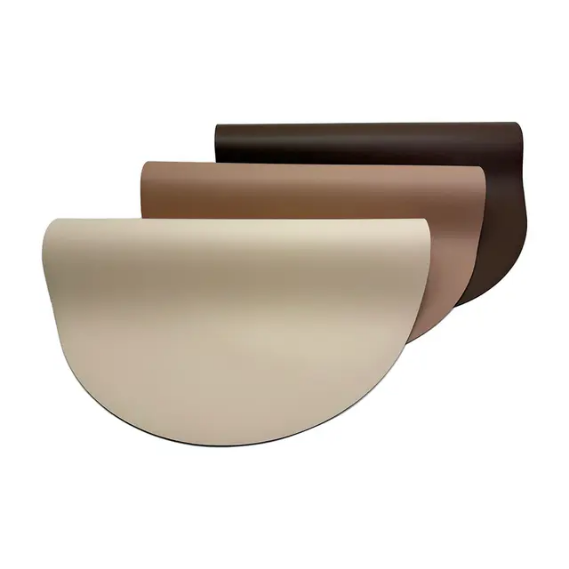
Modern yoga mats are produced with various materials, each designed for different practice environments. Commercial studios usually choose between natural rubber, PU, TPE, and cork materials according to their class types and customer expectations.
EcooFit offers a complete range of professional Yoga Mats made from different materials to support various studio applications.
Natural rubber is one of the most popular materials for professional yoga environments because of its excellent stability and comfortable surface feel.
The dense structure of natural rubber creates a strong connection between the mat and the floor, helping practitioners maintain balance during standing poses and flowing movements.
For commercial studios, natural rubber yoga mats are suitable for daily classes because they offer:
· Reliable support
· Comfortable cushioning
· Good durability
Studios that focus on traditional yoga practice, meditation, or regular group classes often prefer natural rubber mats because they provide a professional and stable training experience.
PU yoga mats are especially popular for high-intensity yoga sessions where grip performance is essential.
The polyurethane surface provides excellent traction, particularly when moisture appears during practice. This makes PU yoga mats a strong choice for hot yoga, power yoga, and dynamic flow classes.
Compared with traditional materials, PU surfaces are designed to help practitioners maintain control during difficult poses while improving overall confidence.
EcooFit’s PU Yoga Mat combines a high-grip surface with a durable base structure, making it suitable for professional yoga studios that require reliable performance during intensive training sessions.
TPE is widely used in yoga mats because of its lightweight structure and flexible characteristics.
For studios that frequently organize beginner classes, group activities, or mobile yoga programs, TPE yoga mats provide convenient handling and storage.
The advantages of TPE materials include:
· Lightweight design
· Easy maintenance
· Comfortable cushioning
Although TPE mats may not provide the same level of grip as premium PU surfaces in heavy-sweat environments, they remain a practical solution for many everyday studio applications.
Cork yoga mats have become increasingly popular among wellness businesses that emphasize natural lifestyles and eco-friendly concepts.
The cork surface creates a unique texture and appearance, helping studios develop a distinctive atmosphere. Many premium wellness spaces choose cork mats because they combine functional performance with a natural design style.
Cork yoga mats are suitable for studios that want to highlight sustainability while providing students with a comfortable practice surface.
Choosing the best material depends on the studio’s class types, maintenance requirements, and brand positioning.
Yoga Mat Material | Main Performance | Suitable Commercial Applications |
PU + Natural Rubber | Excellent grip and strong stability | Hot yoga, power yoga, professional studios |
Natural Rubber | Durable support and comfortable cushioning | Daily yoga classes and long-term practice |
TPE | Lightweight and flexible handling | Beginner programs and large group classes |
Cork | Natural appearance and eco-friendly image | Premium wellness and sustainable studios |
There is no single material that fits every studio. A professional yoga business should select materials according to how students use the mats and what experience the studio wants to create.
Different yoga styles create different requirements. The ideal material depends on movement intensity, sweat level, and practice environment.
Hot yoga creates higher demands because heat and moisture can reduce stability on unsuitable surfaces.
PU yoga mats are often preferred for these classes because their surface provides strong grip during sweaty sessions. This helps students focus on movement instead of adjusting their position constantly.
For studios offering hot yoga as a core program, choosing high-grip Yoga Mats can improve both safety and customer satisfaction.
General yoga classes require a balance between comfort, durability, and easy maintenance.
Natural rubber and TPE yoga mats are commonly selected for daily group sessions because they provide comfortable support while handling regular use.
Studios with different class levels may combine several materials to meet the needs of beginners and experienced practitioners.
Sustainability has become an important factor for many wellness businesses.
Natural rubber and cork yoga mats are often associated with environmentally conscious studio concepts because they use natural materials and offer a premium appearance.
For brands that focus on natural living and wellness experiences, these materials can strengthen their overall identity.
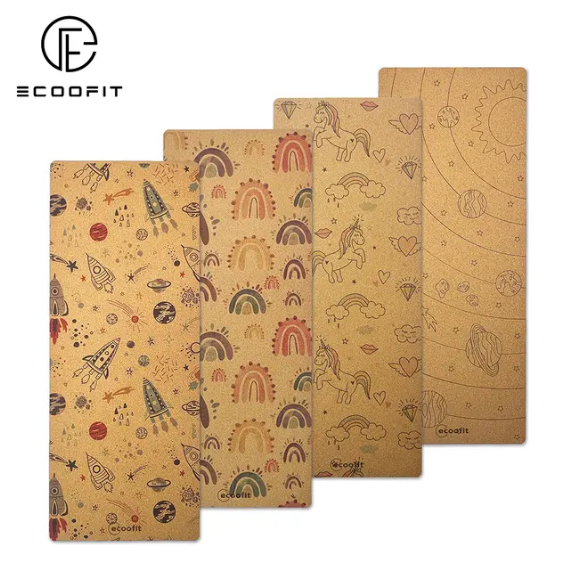
Material is one of the most important factors, but it is not the only consideration for commercial use.
The thickness of a yoga mat influences joint support and balance. A thicker mat may provide additional comfort for gentle classes, while thinner designs can offer better stability during advanced movements.
Studios should match thickness with their main class types instead of choosing one option for every situation.
Commercial mats require frequent cleaning, so maintenance should also be considered.
A suitable yoga mat should be easy to wipe, maintain its texture after repeated cleaning, and remain comfortable after long-term use.
EcooFit develops different Yoga Mats solutions for professional applications, helping studios create cleaner, safer, and more comfortable practice environments.
The best material depends on the studio’s teaching style and customer expectations.
A premium hot yoga studio may prioritize PU yoga mats because of their grip performance. A traditional yoga center may prefer natural rubber for stability, while a wellness brand may choose cork for its natural appearance.
EcooFit provides customized Yoga Mats solutions that allow studios to select suitable materials, colors, sizes, and designs according to their business requirements.
Choosing the right yoga mat material is an important part of building a professional yoga studio. The ideal choice should balance grip, durability, comfort, maintenance, and the experience a studio wants to provide.
EcooFit is a trusted Yoga Mats manufacturer offering PU, natural rubber, TPE, cork, and customized solutions for commercial yoga businesses worldwide. With professional production capabilities and flexible customization services, EcooFit helps studios create better practice environments with reliable Yoga Mats. Contact us today to explore the right solution for your yoga studio.
The best yoga mat material depends on the studio’s classes. PU yoga mats are ideal for high-sweat sessions, natural rubber provides stable support, TPE offers lightweight convenience, and cork suits eco-focused wellness spaces.
Yes. PU yoga mats are commonly used for hot yoga because the surface provides strong grip during sweaty practice, helping students maintain better stability.
The lifespan of commercial yoga mats depends on material quality, usage frequency, and maintenance. High-quality materials designed for studio environments generally provide better durability.
Many studios use different materials for different classes. Combining PU, rubber, TPE, or cork yoga mats allows businesses to provide suitable options for various practice styles.


