
Views: 0 Author: Site Editor Publish Time: 2026-09-22 Origin: Site

Delayed Onset Muscle Soreness (DOMS) limits athletic performance and disrupts daily function. When you push physical boundaries, you create micro-tears in muscle fibers that trigger an inflammatory response. Relying solely on passive stretching or waiting out the clock is highly inefficient for those maintaining rigorous training schedules. Athletes and busy fitness enthusiasts require accessible, time-efficient recovery modalities. These tools must bridge the gap between light active recovery sessions and expensive clinical massage therapy. Effective recovery requires forcing a structured moment of physical and mental relaxation.
Enter the Acupressure Mat. This evidence-based, non-pharmacological tool utilizes mechanical stimulation to accelerate the body's natural recovery processes. It requires zero active effort, making it ideal for fatigued individuals. This guide evaluates its mechanical mechanisms, implementation protocols, and realistic efficacy for post-workout recovery and overall quality of life.
Mechanism of Action: Acupressure mats utilize thousands of plastic spikes to stimulate localized vasodilation (blood flow) and trigger endorphin release, aiding in the reduction of perceived muscle tension and pain.
Realistic Efficacy: They provide temporary, symptomatic relief for physical tension and autonomic nervous system down-regulation, improving daily function; they are not a cure-all for structural injuries or poor programming.
Implementation: Optimal results require a consistent daily protocol of 5 to 20 minutes post-workout, requiring an initial acclimation period to manage sensory discomfort.
Complementary Use: Best utilized as part of a broader recovery ecosystem, pairing broad-surface tension relief with targeted tools like a cork massage ball for specific trigger points.
Hypertrophy and strength training impose severe mechanical stress on the human body. When you load a barbell for heavy squats or execute high-volume plyometrics, you create microscopic tears within the muscle fibers. The body immediately responds to this trauma with an acute inflammatory cascade. Localized inflammation serves as a necessary biological mechanism for muscle growth and adaptation. However, it also produces the intense stiffness, reduced range of motion, and pain universally recognized as DOMS.
Fascial restriction heavily compounds this issue. Fascia forms a continuous web of connective tissue surrounding every muscle, bone, and organ. After intense physical exertion, this tissue often becomes tight, bound, and dehydrated. Fascial binding restricts joint mobility and significantly increases the sensation of muscular stiffness. You feel this restriction when you attempt to touch your toes the day after heavy deadlifts. The muscle itself might be capable of the length, but the surrounding fascial network resists the stretch.
| Recovery Phase | Timeline | Physiological State | Primary Symptoms |
|---|---|---|---|
| Acute Trauma | 0-2 Hours Post-Workout | High sympathetic drive, initial inflammation | Pumped muscles, fatigue, elevated heart rate |
| Onset of Soreness | 12-24 Hours Post-Workout | Fluid accumulation, fascial tightening | Mild stiffness, reduced flexibility |
| Peak DOMS | 24-72 Hours Post-Workout | Maximum inflammatory response, cellular repair | Severe pain upon movement, heavy fascial restriction |
| Resolution | 72-96 Hours Post-Workout | Waste clearance, tissue remodeling | Returning mobility, subsiding pain |
A viable home-recovery tool must meet specific physiological and practical criteria to be effective. First, it must increase localized circulation to accelerate the clearance of metabolic waste products from the tissue. Second, it needs to activate the parasympathetic nervous system to lower circulating cortisol levels and initiate systemic repair.
On a practical level, the tool must ensure ease of daily adherence. Tools that demand immense physical effort or complex setups are routinely abandoned by fatigued athletes. If a recovery protocol requires you to hold a side plank for five minutes just to roll out your IT band, you will likely skip it after a grueling leg day. Finally, the ideal recovery implement forces physical stillness. It carves out a dedicated, unavoidable recovery window within a chaotic daily schedule.
Recovery modalities exist on a broad spectrum. Active recovery involves light, continuous movement to physically pump blood through damaged tissues, such as a light 20-minute cycle. Passive mechanical stimulation relies entirely on external pressure applied to the body. Surface-level pressure from static tools alters sensory input traveling to the central nervous system. It effectively reduces the brain's perception of muscular tightness.
Passive tools do not physically lengthen muscle tissue or break up deep, structural scar tissue. Setting realistic expectations prevents frustration. Passive tools excel at managing acute symptoms, reducing neural drive to tight muscles, and facilitating systemic relaxation. They prepare the tissue and the nervous system for subsequent active mobility work.
Thousands of sharp plastic spikes pierce the superficial layers of the skin when you lie down. They press deeply but do not break the dermal barrier. This acute mechanical stimulation triggers an immediate, aggressive physiological response. Blood vessels in the targeted area dilate rapidly. Localized blood flow increases significantly, turning the skin red and warm.
This enhanced circulation serves a critical dual purpose for recovery. It flushes metabolic waste products, such as hydrogen ions and lactic acid, out of the fatigued muscle tissue. Simultaneously, the rushing blood delivers oxygen and vital nutrients directly to the cells requiring repair. You can physically observe this vasodilation. When you step off the spikes, your back will display a uniform, bright red flush indicating massive blood pooling in the superficial capillaries.
The central nervous system responds predictably to acute, controlled pain stimuli. The sharp spikes create a massive sensory overload across the skin's surface. The brain interprets this harmless surface pain and immediately releases endorphins. Endorphins act as the body's natural, endogenous analgesics. They bind to opioid receptors located throughout the brain and nervous system.
This biological process temporarily relieves pain, masks muscle soreness, and improves functional mobility. Users consistently report a warm, heavy, tingling sensation replacing the initial sharp discomfort within the first few minutes of application. This mechanism relies on the Gate Control Theory of Pain. The intense, non-damaging sensory input from the spikes effectively blocks the slower-moving pain signals originating from the sore muscles beneath.
Heavy physical training locks the human body in a highly sympathetic state. This is the biological fight-or-flight mode characterized by elevated heart rates and high cortisol. True recovery requires a definitive shift to parasympathetic dominance. This is the rest-and-digest state where cellular repair occurs.
Lying on a spiked surface forces deliberate, controlled, diaphragmatic breathing to manage the sensory input. This specific breathing pattern signals the brain to down-regulate the autonomic nervous system. Heart rate drops rapidly. Systemic muscle tension dissipates. The psychological benefit is equally profound. It provides a structured, mandatory moment of relaxation. You must stop moving, lie completely still, and focus entirely on your physical state.
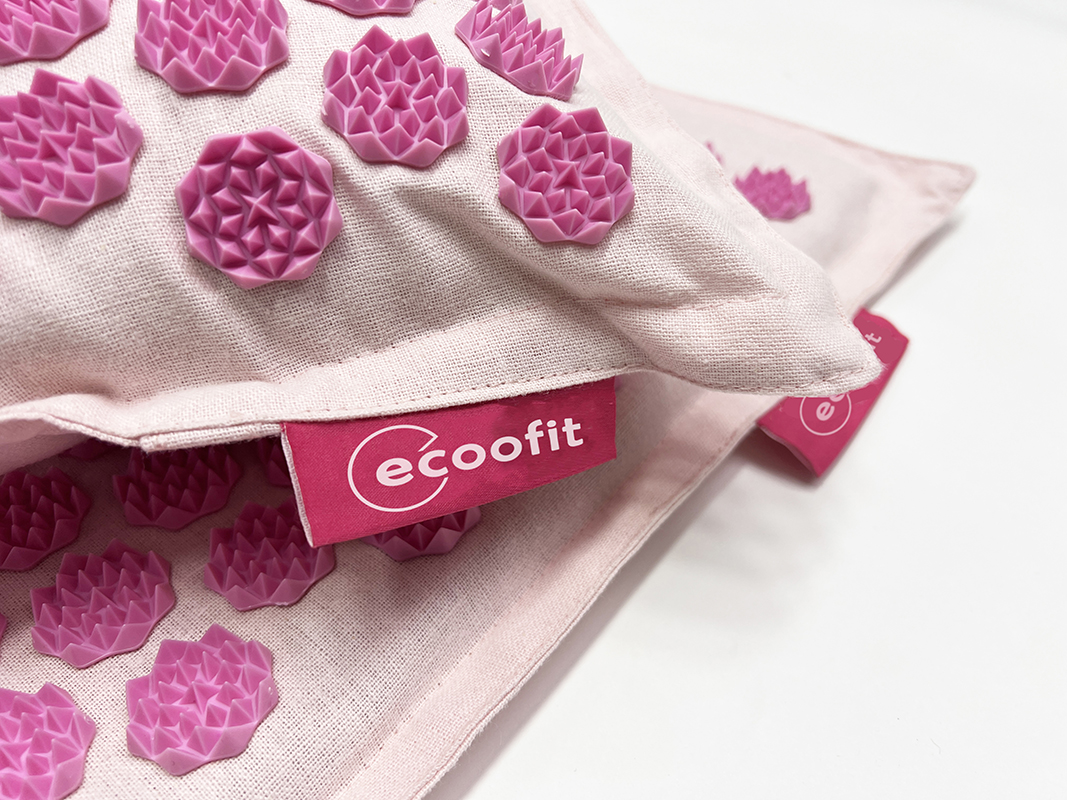
Both tools address myofascial tension but operate through entirely different mechanisms. A foam roller requires active, dynamic movement. You must support a portion of your body weight and actively roll across the device. This demands core stability and physical effort. After a heavy deadlift session, holding a plank position to roll your quads feels like another workout.
An acupressure massage mat provides broad, static surface stimulation. You simply lie down and yield to gravity. Foam rolling penetrates deeper into the thick muscle bellies of the quads and lats. The static spikes excel at superficial fascial release and systemic nervous system relaxation without requiring a single ounce of additional energy from an already exhausted athlete.
Massage guns deliver highly localized, high-intensity percussive vibration. They target specific, dense muscle bellies rapidly and aggressively. They are excellent for acute, localized stiffness before or after a workout. However, they require active handling. You must hold, direct, and apply pressure with the device. Reaching your own mid-back with a heavy massage gun is mechanically awkward and often counterproductive.
Static spikes offer systemic, full-body relaxation across a massive surface area simultaneously. The cost-to-benefit ratio heavily favors static tools for passive, end-of-day recovery. They require zero active effort. They cost a fraction of high-end percussion devices, contain no moving parts, and never require charging.
No single recovery tool handles every physiological need. Broad surface stimulation is optimal for treating flat areas like the entire back, shoulders, or hamstrings. It disperses pressure evenly across thousands of points. Deep, isolated trigger points require aggressive, targeted therapy.
This is where a cork massage ball becomes an absolute necessity. It pinpoints specific, dense restrictions in the glutes, plantar fascia, or the borders of the scapula. Combining broad surface stimulation for nervous system down-regulation with pinpoint trigger point release creates a highly effective, comprehensive home recovery protocol. You use the broad tool to calm the nervous system, then use the dense ball to dig out stubborn adhesions in the piriformis.
| Recovery Tool | Primary Mechanism | Best Used For | User Effort Required | Target Tissue Depth |
|---|---|---|---|---|
| Static Spiked Surface | Static surface stimulation, vasodilation | Systemic relaxation, broad back tension, sleep prep | Zero (Passive) | Superficial fascia, skin |
| Foam Roller | Dynamic compression, myofascial release | Large muscle groups (quads, lats, IT band) | Moderate to High | Medium to Deep |
| Percussion Gun | High-frequency vibration, localized impact | Acute stiffness, pre-workout activation | Low to Moderate | Deep |
| Cork Massage Ball | Pinpoint static compression | Isolated trigger points (glutes, feet, shoulders) | Moderate | Very Deep |
Effective physical recovery requires structured, repeatable protocols. A daily 5-minute habit provides excellent acute relief. This short duration stimulates initial blood flow and relaxes superficial muscle tension immediately following a workout. It serves as a rapid reset button for the nervous system.
Extending the session to 15-20 minutes unlocks much deeper physiological benefits. This extended duration is optimal for deep parasympathetic activation. The body fully transitions out of the sympathetic training state, allowing cortisol levels to drop. Consistency matters far more than extreme duration. A daily 10-minute session yields better long-term results than a single 45-minute session once a week.
Targeting different areas requires slight postural adjustments. Follow these specific setups based on your training split:
Back and Shoulders: Use the standard supine position. Lie completely flat on your back with the device positioned from the tailbone to the base of the neck. This setup is ideal for heavy lifting days involving deadlifts, rows, or overhead presses.
Legs and Glutes: Use seated or bolstered positions. Place the spikes on a firm chair and sit directly on them, or slide them under your hamstrings while seated on the floor. This targets lower-body recovery after heavy squat sessions.
Neck and Suboccipital Muscles: Roll a small towel and place it under the top edge of the spikes to create a cervical curve. Rest the base of your skull against this ridge to relieve tension headaches caused by heavy trap engagement.
Feet: Stand directly on the spikes. This standing protocol heavily benefits runners dealing with plantar fascia fatigue and foot arch stiffness.
The initial sensory experience is undeniably uncomfortable. The spikes are sharp and unforgiving. A step-by-step mitigation strategy prevents you from abandoning the tool prematurely. Follow a structured progression to build tolerance safely.
Week 1: Start by wearing a thick cotton t-shirt. This blunts the extreme sharpness while still allowing significant pressure against the tissue. Limit sessions to 5 minutes.
Week 2: Progress to a thin sheet or a very light synthetic shirt. Increase the duration to 10 minutes.
Week 3: Transition to direct bare skin contact for 2-3 minutes, then put a shirt back on.
Week 4: Commit to full bare skin contact for 10-15 minutes. Bare skin provides the absolute maximum physiological benefit for vasodilation.
The intense discomfort typically subsides completely after the first three minutes as the body releases a flood of endorphins. Breathe deeply through the initial shock.
Integration dictates long-term success. Tie the recovery protocol directly to an existing, non-negotiable daily routine. Use the spikes directly before bed. This rapidly down-regulates the nervous system, clears mental chatter, and significantly decreases sleep latency.
Alternatively, pair it with post-workout breathwork. Lie on the spikes immediately after stepping out of the post-training shower while performing structured box breathing (inhale for 4 seconds, hold for 4, exhale for 4, hold for 4). This accelerates the critical transition from acute training stress directly into the cellular recovery mode.
Not all recovery tools are manufactured with the same standards. When selecting a massage mat for pain relief, specific physical features dictate the clinical outcomes. Look for exceptionally high spike density, ideally between 6,000 and 8,000 individual points. More spikes distribute your body weight evenly, reducing the risk of localized skin damage while maximizing neurological stimulation.
Verify the spikes use non-toxic, high-grade ABS plastic that will not dull over time. Evaluate the internal base materials carefully. Eco-friendly options like dense coconut fiber provide firmer, more consistent support than standard polyurethane foam. Firm support ensures the spikes engage the tissue effectively rather than collapsing under your body weight.
Practicality drives long-term, consistent use. These static tools possess immense physical durability. They feature a highly appealing zero-maintenance profile. Electronic recovery devices require constant charging, software updates, and mechanical upkeep. Internal motors burn out. Lithium-ion batteries degrade over time.
A static spiked surface scales perfectly with a chaotic, busy lifestyle. It is always ready for immediate use. You can store it easily under a bed, travel with it in a suitcase, and rely on it for years without any performance degradation. You never have to worry about finding an outlet or replacing a broken attachment head.
Mechanical surface stimulation carries specific risks for certain populations. Clear medical contraindications exist and must be respected. Individuals with peripheral neuropathy must avoid these tools entirely. They cannot accurately gauge pain or detect impending skin damage.
People with naturally thin skin, those on blood thinners, or individuals with bleeding disorders face a high risk of puncture or severe bruising. Never use the spikes over active skin infections, open wounds, healing scars, or severe sunburn. Pregnant women should obtain explicit medical clearance from their physician before initiating any new physical recovery protocol.
Select a recovery tool featuring a minimum of 6,000 spikes and a firm coconut fiber base to ensure even weight distribution and maximum durability.
Establish a baseline tolerance by wearing a thick cotton t-shirt during your first five daily sessions before progressing to bare skin contact.
Integrate a dense cork massage ball into your routine to address deep, isolated trigger points in the glutes and scapula that broad surface stimulation cannot reach.
Schedule your 15-minute recovery session immediately before bed to capitalize on the parasympathetic nervous system shift and drastically reduce sleep latency.
A: It relieves the acute symptoms of DOMS by increasing local blood flow and triggering the release of natural endorphins. This reduces the perception of pain and stiffness. However, it does not prevent the underlying microscopic muscle damage caused by heavy training.
A: A standard 5-minute daily session provides quick symptomatic relief and stimulates initial blood flow. For optimal muscle relaxation and deep nervous system down-regulation, scale the duration up to 15-20 minutes per session.
A: Yes, bare skin contact provides the maximum physiological benefit. Beginners should start by wearing a thin shirt to manage the initial sharpness, gradually progressing to bare skin as their pain tolerance increases over several sessions.
A: Yes, the initial 1-3 minutes are typically uncomfortable due to the sharp sensory input. This discomfort is quickly followed by a physiological warming sensation and deep relaxation as localized circulation increases and endorphins flood the system.
A: Strict medical contraindications include broken skin, open wounds, severe sunburn, blood clotting disorders, and peripheral neuropathy. Pregnant individuals should consult a medical professional before use.
A: An acupressure mat provides broad, superficial tension relief across large areas like the entire back. A cork massage ball delivers deep, targeted compression to release isolated trigger points in dense muscles like the glutes or feet.


