
Views: 0 Author: Site Editor Publish Time: 2026-03-27 Origin: Site

Durability is one of the most important factors yoga practitioners consider when selecting a mat. A yoga mat is more than just a piece of exercise equipment; it supports balance, comfort, and safety during every pose and movement. Many yoga enthusiasts today prefer eco-friendly materials, which is why the TPE Yoga Mat has become increasingly popular in studios and home practice spaces. Thermoplastic elastomer offers a combination of lightweight construction, cushioning, and environmental friendliness that appeals to both beginners and experienced practitioners.
Before discussing durability, it is helpful to understand why TPE has become such a widely used material in modern yoga mats.
Thermoplastic elastomer is widely known for being more environmentally friendly than many traditional materials used in fitness equipment. Unlike certain PVC-based mats, TPE is recyclable and typically produced through cleaner manufacturing processes. This makes it a preferred option for environmentally conscious consumers.
Another advantage of TPE is its balance between softness and structural stability. The material provides enough cushioning to protect joints during exercises such as kneeling poses or floor stretches, while still maintaining sufficient firmness for stability during balance poses.
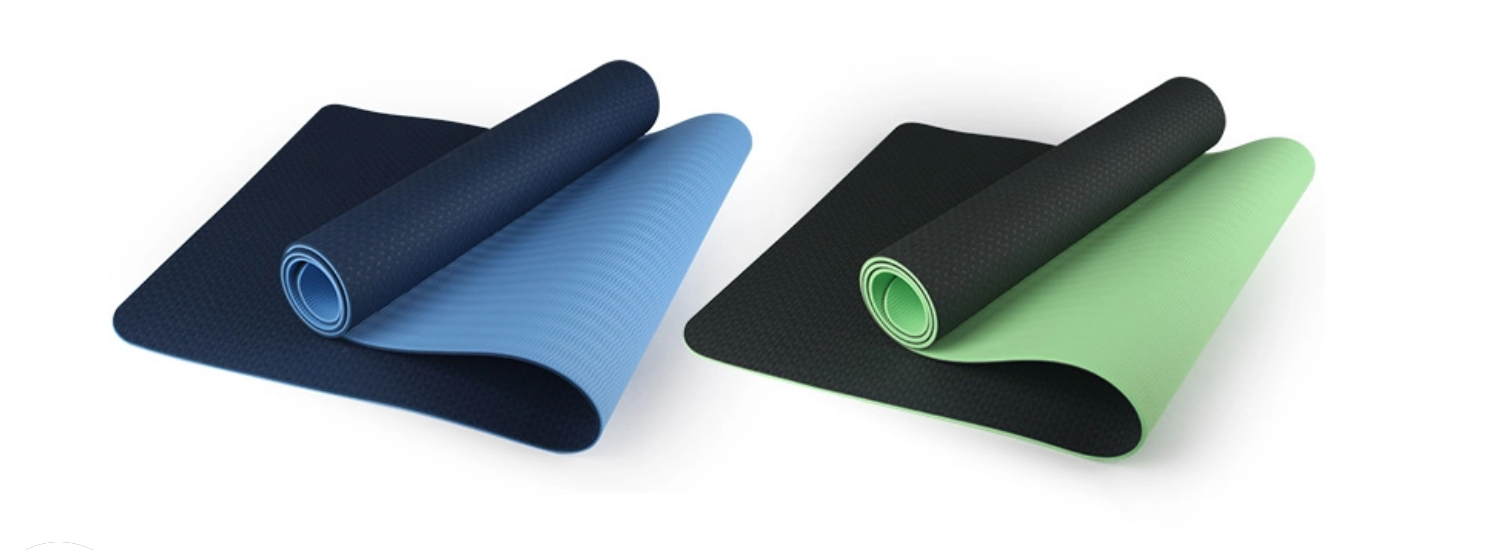
Many modern TPE yoga mats use a dual-layer structure. The bottom layer improves grip against the floor, while the top layer offers comfort and anti-slip texture. This layered design not only enhances performance but also contributes to the overall lifespan of the mat.
The lifespan of a yoga mat can vary depending on how frequently it is used, how well it is maintained, and the conditions in which it is stored. In general, a well-manufactured TPE yoga mat designed with quality materials and proper density can last between one and three years under normal personal use. This range may vary because yoga practice styles, body weight, cleaning routines, and environmental exposure all influence how quickly the material experiences wear.
Unlike some traditional materials, thermoplastic elastomer maintains a balance between cushioning and resilience. This elasticity allows the mat to recover after pressure from poses such as downward dog, lunges, or plank positions. However, like all exercise equipment, the mat gradually undergoes physical stress over time. Understanding the different usage scenarios helps explain why the lifespan can differ significantly from one user to another.
For practitioners who practice yoga occasionally at home, such as once or twice a week, a high-quality TPE mat can often remain in excellent condition for several years. Because the mat is exposed to limited pressure and friction, the surface texture and cushioning layer degrade much more slowly. Gentle home use usually involves moderate contact with the mat, allowing the material to retain its elasticity and shape.
In addition, home users tend to control the environment in which the mat is stored. When kept in a clean indoor space away from excessive humidity or heat, the material experiences less environmental stress. These conditions contribute to longer product life and consistent performance during practice sessions.
Individuals who attend yoga classes several times per week may notice gradual wear earlier than occasional users. Daily or near-daily practice places consistent pressure on the same contact points of the mat, such as areas where hands and feet frequently rest during poses. Over time, this repeated pressure may lead to slight compression of the cushioning layer.
Sweat and body oils can also accumulate on the mat’s surface during frequent sessions. If not cleaned regularly, this buildup can slowly reduce the anti-slip texture that helps practitioners maintain stability. While the mat will still remain functional, the user may notice that the grip feels slightly smoother after long periods of continuous use.
In professional yoga studios where mats are shared among many users, wear occurs much more quickly. A single mat may be used multiple times per day by different practitioners with varying practice styles and levels of intensity. Constant use increases surface friction and compresses the cushioning layer more rapidly.
Furthermore, shared mats are often cleaned frequently to maintain hygiene standards. While cleaning is necessary, repeated washing and drying cycles can also contribute to gradual material fatigue. For these reasons, studio environments typically replace mats sooner than individual users would in a home setting.
Several practical factors determine how long a yoga mat remains comfortable, supportive, and safe for regular practice.
Usage frequency is one of the most significant factors affecting durability. A mat that supports daily yoga practice naturally experiences more stress than one used occasionally. Over time, repeated pressure from body weight and movement may compress certain areas, especially where hands and feet make frequent contact.
Certain yoga styles involve continuous transitions between poses, which increases friction between the practitioner and the mat surface. Dynamic practices such as vinyasa or power yoga can gradually wear down the anti-slip texture. Although TPE materials are designed to resist wear, consistent friction will slowly smooth the surface over extended use.
Proper cleaning habits help preserve both hygiene and material quality. Sweat, dust, and natural skin oils can accumulate on the mat surface during practice. If these residues remain for long periods, they may affect the grip and overall feel of the mat. Gentle cleaning with appropriate solutions helps maintain performance and extend the usable life of the product.
Environmental exposure also plays a role in durability. Leaving a yoga mat in direct sunlight, extreme heat, or damp environments can weaken the material over time. Storing the mat in a cool, dry area and rolling it properly after use helps preserve its elasticity, cushioning, and structural integrity for a longer period.
While TPE mats are designed for durability, there are certain indicators that suggest it may be time to replace one.
If the mat becomes noticeably slippery during practice, it may indicate that the surface texture has worn down.
Areas that remain flattened after use suggest that the cushioning layer has lost its elasticity.
Small tears or peeling layers can occur after prolonged use. These changes may affect both comfort and safety.
If the mat no longer provides sufficient cushioning for joints, replacing it ensures a safer and more comfortable practice.
Different yoga mat materials have different durability characteristics. The table below highlights general comparisons.
Material Type | Average Lifespan | Eco-Friendliness | Weight | Comfort Level |
TPE Yoga Mat | 1–3 years | High | Lightweight | Balanced |
PVC Mat | 2–4 years | Low | Medium | Firm |
Natural Rubber Mat | 1–2 years | High | Heavy | Excellent grip |
EVA Foam Mat | 1–2 years | Moderate | Very light | Soft |
This comparison shows why many practitioners prefer TPE mats. They provide a good balance between comfort, environmental sustainability, and durability.
Even though yoga mats naturally wear over time, proper care can significantly extend their lifespan.
A simple routine of wiping the mat after practice removes sweat and dust that can affect surface grip. Mild cleaning solutions designed for fitness equipment are usually sufficient.
After cleaning, the mat should be air-dried before being rolled up. Storing a damp mat can lead to odor or material degradation.
Keeping the mat away from direct sunlight and excessive heat prevents the material from becoming brittle.
Practicing on rough surfaces or near sharp objects can cause scratches or cuts in the material.
When cared for properly, a TPE Yoga Mat can provide reliable performance for a long period of yoga practice. Its durability depends on factors such as frequency of use, maintenance habits, and storage conditions. While heavy commercial use may shorten its lifespan, most individual practitioners can enjoy consistent comfort and grip for years before replacement becomes necessary. From our experience working with yoga equipment, we have seen that selecting a high-quality thermoplastic elastomer yoga mat and maintaining it properly allows users to enjoy a comfortable and stable practice while also supporting environmentally responsible choices.
For those who are interested in learning more about durable yoga mats and environmentally friendly fitness equipment, we invite you to explore more information from Hunan Ecoo Fitness Co., Ltd. Our team continues to develop innovative yoga products designed to support comfortable, sustainable, and enjoyable fitness experiences.
A TPE yoga mat usually lasts between one and three years depending on usage frequency, maintenance habits, and storage conditions.
Yes. High-quality TPE yoga mats are designed to withstand regular practice and provide consistent cushioning and grip when maintained properly.
Cleaning with a mild solution and wiping the surface after practice helps maintain grip and prolong the lifespan of the mat.
Yes. TPE materials are generally considered more eco-friendly than many traditional yoga mat materials and are often recyclable.


