
Views: 0 Author: Site Editor Publish Time: 2026-01-28 Origin: Site
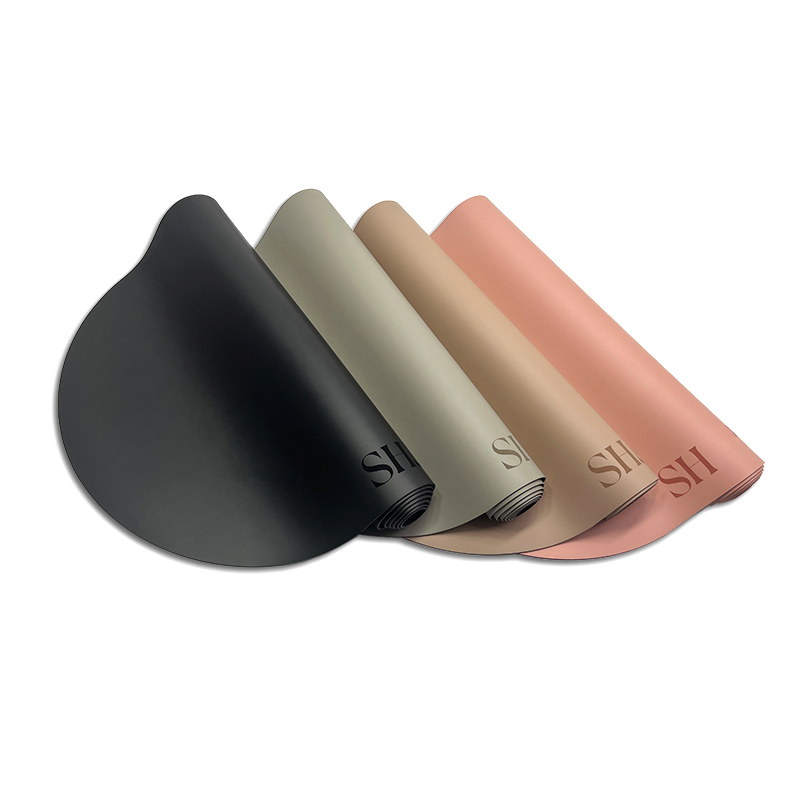
Did you know the right Custom Yoga Mats can transform your retail store? Not only do they improve the client experience, but they also serve as a powerful branding tool. So, how do you choose the best mats?
In this article, we’ll walk you through essential factors for selecting Custom Yoga Mats for your retail store. You’ll learn about material options, customization, pricing strategies, and supplier evaluation to ensure you make the best investment for your business.
When you’re selling yoga mats, it’s more than just offering functional products; you’re creating an experience. Custom Yoga Mats help elevate your store's branding by showcasing your logo and brand colors, making them a marketing tool every time they're used. For retail stores, branding through customized mats strengthens your identity and allows clients to associate the mats with your store every time they practice yoga.
Moreover, customized mats contribute to the overall client experience by providing a visual connection to your store’s environment. Clients often prefer yoga mats that reflect their values, and your store’s custom designs can create a sense of community and belonging.
In the highly competitive retail market, having a unique product offering is essential. Custom Logo Yoga Mats can set your store apart from competitors who sell generic, mass-produced mats. Offering customized mats not only highlights your store’s unique identity but also increases the appeal of your products. The personalization aspect makes your yoga mats desirable, as clients seek exclusivity and products that feel personal to their practice.
Yoga mats serve different purposes for various types of yoga practices. Whether clients are into restorative yoga or high-intensity vinyasa, the right Custom Yoga Mats can meet those needs. By offering mats with different features, such as additional cushioning or moisture-wicking materials, you provide a versatile product range that caters to the diverse needs of yoga practitioners.
Choosing the right material for your Custom Yoga Mats is critical, as it affects both the durability and comfort. The most popular materials include:
1. Natural Rubber: Known for its excellent grip, comfort, and eco-friendliness, natural rubber is a durable option ideal for high-traffic areas. It offers a firm, non-slip surface that works well for most types of yoga.
2. TPE (Thermoplastic Elastomer): TPE mats are eco-friendly, non-toxic, and lightweight. They offer a good balance of comfort and durability, making them ideal for retail stores that prioritize sustainability.
3. PVC (Polyvinyl Chloride): Although not as eco-friendly as natural rubber or TPE, PVC mats are highly durable, affordable, and offer excellent grip. They’re often a cost-effective option for retail stores on a budget.
The choice of material should balance durability and comfort, ensuring the mats last long while providing a supportive and comfortable yoga experience.
One of the most important factors when selecting Custom Yoga Mats is grip. Yoga mats should provide adequate traction to prevent slipping during practice, especially in styles like hot yoga or power yoga. Materials like natural rubber and TPE are great for this because they naturally provide superior grip, which is essential for client safety.
High-quality mats should maintain their non-slip surface even when exposed to sweat, ensuring a stable and safe practice for your customers. Custom mats with textured surfaces or specialized coatings are excellent for enhancing grip and overall performance.
Thickness plays an important role in the comfort and usability of Custom Yoga Mats. The right thickness depends on the type of yoga being practiced and client preferences:
● Thicker Mats (5mm and above): Provide additional cushioning, making them suitable for restorative practices and clients who require extra joint support.
● Thinner Mats (3mm-4mm): Offer better stability and are ideal for dynamic flows like vinyasa or power yoga, where stability and grip are crucial.
When choosing the thickness for your store’s mats, consider the range of yoga practices that your customers are likely to engage in and stock a variety of mats accordingly.
Your Custom Yoga Mats should reflect your store's branding. A prominent logo placement can help increase brand visibility, while matching the colors and aesthetic of your studio enhances the overall design. Here are some customization options:
● Logo Placement: Decide whether the logo should be placed at the center, the corner, or near the top/bottom of the mat.
● Color Scheme: Ensure the mat’s color complements your branding and is aesthetically pleasing. Consider using bold, contrasting colors for high visibility or softer tones for a calming, peaceful vibe.
Customization should reflect your brand’s personality while still prioritizing the functionality of the mat.
Incorporating patterns into your Custom Yoga Mats can help differentiate them from standard mats. Whether you want a minimalistic design or a more intricate pattern, customization adds a unique touch that makes your store’s mats stand out. Popular patterns include geometric shapes, nature-inspired designs, or mandalas.
Designing mats that align with your store's identity and customer base can foster a stronger connection between your brand and your customers. For example, if your store has an eco-conscious theme, you might incorporate nature-based designs or calming colors to enhance your branding.
Eco-friendly mats are increasingly popular as consumers become more conscious of sustainability. Offering Custom Yoga Mats made from recyclable or biodegradable materials like natural rubber or TPE can attract eco-conscious clients. Highlighting these features in your store will help appeal to a growing market that values environmental responsibility.
The price of Custom Yoga Mats can vary significantly depending on the material, customization level, and quality. Here’s a basic breakdown to help guide your purchasing decisions:
● Budget Mats (PVC): These are the most affordable mats and are typically made from PVC. While they are a cost-effective option for customers on a budget, they tend to be less durable and less eco-friendly than higher-end alternatives. They’re suitable for entry-level customers but may wear out quicker.
● Mid-Range Mats (TPE): TPE mats offer a good balance between price, durability, and environmental impact. These mats are often made from non-toxic, recyclable materials. They cater to customers looking for a middle ground: affordable, durable, and eco-friendly.
● Premium Mats (Natural Rubber): Natural rubber mats fall in the premium category and are known for their superior grip, comfort, and eco-friendliness. These mats provide exceptional durability and are ideal for high-end customers who are willing to pay a little more for superior quality.
Price Category | Material | Key Features |
Budget Mats | PVC | Affordable, basic durability, less eco-friendly |
Mid-Range Mats | TPE | Durable, eco-friendly, moderate comfort |
Premium Mats | Natural Rubber | Excellent grip, durability, eco-friendly |
When pricing your Custom Yoga Mats, consider offering options at different price points to cater to a broader customer base. This way, you can ensure your retail store meets various client needs while maximizing your margins.
Purchasing Custom Yoga Mats in bulk can lead to significant savings, but it’s important to take shipping costs into account. Bulk orders usually result in lower unit prices, allowing you to stock up on mats without sacrificing profit margins.
● Bulk Discounts: Suppliers often offer tiered pricing, meaning the more mats you buy, the lower the price per unit. For example, purchasing 100 mats might give you a 10% discount, while ordering 500 could reduce the cost by 20%. This makes bulk purchases a great way to increase profitability.
● Shipping Costs: Shipping costs for bulk orders can be substantial, particularly if you’re purchasing a large quantity from overseas suppliers. Ensure you factor in the shipping cost when calculating the total price. Some suppliers may offer free or discounted shipping for large orders, so be sure to inquire about those options when making your purchase.
Bulk Order Quantity | Discount (%) | Estimated Shipping Costs |
100 Mats | 10% | Higher due to bulk shipping |
500 Mats | 20% | Negotiated or free shipping |
It's important to balance the savings from bulk purchases with potential shipping costs to ensure the overall pricing remains competitive for your customers.
Evaluating the reputation of your Custom Yoga Mats supplier is one of the most crucial steps. A reliable supplier ensures that the mats you sell are of high quality, arrive on time, and meet your customers' expectations. Always check reviews and testimonials from other retail stores to gauge the supplier’s reliability.
● Customer Reviews: Reading customer feedback provides insights into product quality, reliability, and customer service. Look for suppliers with a solid reputation for delivering quality mats and meeting deadlines.
● Experience in the Industry: Suppliers who have been in the industry for several years are often more trustworthy and knowledgeable. Established suppliers are better equipped to handle bulk orders and customizations, ensuring that you get consistent product quality.
Before making a large purchase, it’s crucial to request Custom Yoga Mats samples from potential suppliers. This allows you to inspect the mats' quality, texture, and performance firsthand before committing to a bulk order.
● Quality Checks: Ensure the mats provide the comfort, grip, and durability your customers expect. Testing for features like non-slip surfaces and adequate cushioning is essential.
● Customization Review: Check the quality of the customization (logos, colors, etc.). This ensures that the design aligns with your brand and meets your standards before placing a large order.
Requesting samples allows you to make an informed decision and avoid potential issues later. This simple step ensures your retail store offers mats that are up to your quality standards.
It's essential to choose a supplier that offers a clear and fair return policy. If the mats arrive damaged or if the customization doesn’t meet your expectations, you want to be able to return or exchange them without hassle.
● Return Policy: Ensure the supplier has a reasonable return or refund policy for defective or unsatisfactory products.
● Product Guarantees: Many suppliers offer product guarantees, ensuring that their Custom Yoga Mats will last for a certain period without defects. Look for suppliers who stand behind their products with warranties, as this protects your retail investment.
A solid return policy gives you peace of mind, knowing that your investment is protected in case of any issues.
Choosing the right Custom Yoga Mats for your retail store is key to enhancing both your product offering and your brand’s image. By considering factors such as material quality, customization options, and pricing strategies, you can ensure that you’re offering mats that meet your customers’ needs.
At Hunan Ecoo Fitness Co.,Ltd., we specialize in providing durable, eco-friendly Custom Yoga Mats that help elevate your store’s brand while offering excellent comfort and performance. Our mats are designed to last, making them a smart investment for your retail business.
A: Custom Yoga Mats are mats personalized with your logo, colors, and designs. They offer a unique way to brand your business while providing high comfort and durability for yoga practitioners.
A: Custom Yoga Mats help enhance your store's brand identity and provide a unique product that stands out in a competitive market. They offer customers a personalized yoga experience while boosting your brand visibility.
A: You can customize Custom Yoga Mats with your logo, brand colors, and even patterns. Work with suppliers who offer design flexibility to ensure the mats align with your store’s image and target audience.
A: Custom Yoga Mats are made from a variety of materials such as natural rubber, TPE, and PVC. Choose based on durability, eco-friendliness, and the level of comfort you want to provide for your clients.
A: The price of Custom Yoga Mats depends on factors like material quality, customization level, and quantity. Generally, premium mats made from natural rubber are more expensive than budget options made from PVC.


