
Views: 0 Author: Site Editor Publish Time: 2026-01-20 Origin: Site

Choosing the right yoga mat can transform your practice. Did you know that cleanliness plays a vital role in your mat's performance? Rubber yoga mats are popular for their durability and grip, but they require proper care. In this post, you’ll learn effective methods to clean your rubber yoga mat and maintain its longevity.
Rubber yoga mats are a popular choice among practitioners for their unique properties. These mats are typically made from natural or synthetic rubber, providing excellent grip and cushioning during yoga sessions. Their design aims to enhance stability, making them ideal for various styles of yoga, from gentle Hatha to vigorous Ashtanga.
1. Natural Rubber
2. Natural rubber is derived from the sap of rubber trees. It is biodegradable and eco-friendly, making it a sustainable option. This type of rubber offers superior grip and cushioning, providing a comfortable experience during practice. However, it may have a distinct smell initially, which usually fades over time.Synthetic Rubber
Synthetic rubber is man-made and often cheaper than natural rubber. While it can offer decent grip, it is typically less durable and may not provide the same level of cushioning. Synthetic mats are often lighter and easier to transport, making them a convenient choice for on-the-go yogis.
Type of Rubber | Eco-Friendly | Grip Quality | Durability | Initial Odor |
Natural Rubber | Yes | Excellent | High | Yes |
Synthetic Rubber | No | Good | Moderate | Minimal |
Rubber yoga mats come with several advantages that enhance your yoga experience.
● Eco-Friendly: Choosing natural rubber mats supports sustainability. They are biodegradable, reducing environmental impact compared to PVC mats, which can take centuries to decompose.
● Good Grip: The texture of rubber provides an excellent grip, even when wet from sweat. This feature helps maintain stability during poses, reducing the risk of slipping and injuries.
● Durability: Rubber mats are designed to withstand regular use. They resist wear and tear, making them a long-term investment for yoga enthusiasts. With proper care, a rubber yoga mat can last for years, providing consistent support and comfort.
In summary, rubber yoga mats are not just a practical choice; they also contribute to a more enjoyable and safe practice. Whether you opt for natural or synthetic rubber, understanding their features helps you make an informed decision for your yoga journey.
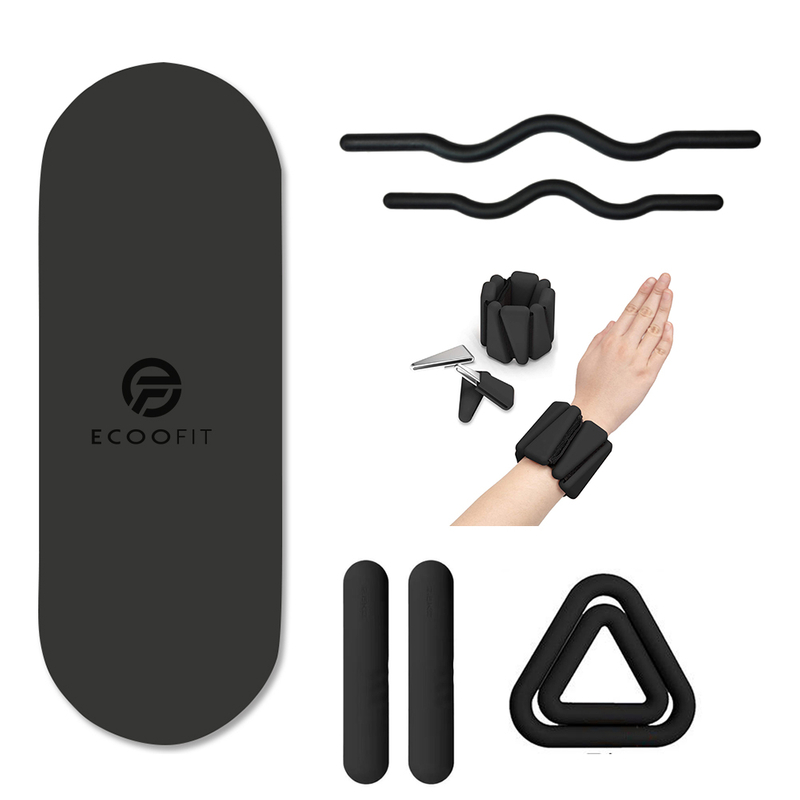
Cleaning your rubber yoga mat is more than just a chore; it's crucial for maintaining a healthy practice. Over time, sweat, dirt, and oils accumulate on the surface of your mat. This buildup can create a slippery layer that diminishes grip, making it harder to stay stable during poses.
During each yoga session, our bodies naturally release sweat, which contains salts and oils. When we practice, these substances transfer onto the mat. Additionally, dirt from our feet and the floor can easily cling to the surface.
Substance | Source | Impact on Mat |
Sweat | Body's natural response | Creates a slippery surface |
Dirt | Floor and environment | Contributes to odors and bacteria |
Oils | Skin and hair | Reduces grip and can stain the mat |
As sweat and oils linger, they create an ideal environment for bacteria to thrive. This bacterial growth can lead to unpleasant odors, making your mat less inviting for practice. The presence of bacteria not only affects the mat's smell but also poses health risks, especially when shared in studios.
● Common Bacteria: Staphylococcus, E. coli, and other pathogens can be found on unclean mats.
● Odor Issues: A smelly mat can discourage practice and affect your overall experience.
Cleanliness directly influences your performance and safety during yoga. A dirty mat can lead to slips and falls, increasing the risk of injury. When the grip is compromised, it becomes challenging to maintain balance in poses like Downward Dog or Warrior II.
● Enhanced Grip: A clean surface ensures better traction, allowing you to hold poses confidently.
● Injury Prevention: Reducing slippage minimizes the chances of falls and related injuries.
Regular cleaning not only keeps your mat fresh but also enhances its grip. When the surface is free from sweat and oils, it performs better, providing the necessary traction for a safe practice. This is especially important for dynamic styles of yoga, where stability is key.
In summary, a clean rubber yoga mat is essential for a safe and effective yoga practice. By understanding the importance of cleanliness, we can ensure our mats remain a supportive foundation for our journey.
The frequency of cleaning your rubber yoga mat depends largely on how often you use it. Understanding your practice habits helps maintain the mat's condition and hygiene. Here’s a breakdown of cleaning recommendations based on your usage.
If you practice yoga daily, it’s essential to clean your mat after each session. Daily cleaning prevents the buildup of sweat, dirt, and oils.
● Quick Wipe-Down: Use a damp cloth with mild soap or a homemade cleaning solution to quickly wipe the surface.
● Benefits: This routine keeps your mat fresh and ready for the next practice, ensuring optimal grip and cleanliness.
For those who practice yoga weekly, a thorough cleaning once a week is ideal.
● Deep Cleaning: Set aside time to soak the mat in warm, soapy water and scrub it gently with a soft sponge.
● Rinse and Dry: After cleaning, rinse thoroughly and hang it to dry completely. This helps eliminate odors and bacteria that may have accumulated over the week.
If you only use your mat occasionally, it’s still important to clean it before each practice.
● Pre-Practice Check: A quick inspection for visible dirt or stains can help you decide if it needs a wipe-down.
● Fresh Start: Cleaning before use ensures you start each session on a clean surface, enhancing your experience.
Usage Frequency | Cleaning Frequency | Key Actions |
Daily | After each session | Quick wipe-down with damp cloth |
Weekly | Once a week | Deep clean with soapy water |
Occasional | Before each use | Inspect and wipe if necessary |
Regardless of your practice frequency, certain signs indicate it’s time to clean your mat right away.
● Visible Dirt: If you see dirt or stains, it’s a clear sign your mat needs attention.
● Unpleasant Odors: A smelly mat can be off-putting and indicates bacteria buildup.
● Sticky Surface: If your mat feels sticky or slippery, it’s time for a thorough cleaning.
After particularly sweaty sessions or hot yoga classes, cleaning your mat is crucial.
● Excess Sweat: Hot yoga can lead to significant sweat accumulation, increasing the need for cleaning.
● Preventing Build-Up: Regular cleaning after intense sessions helps prevent odors and bacteria, ensuring your mat remains in top condition.
By following these guidelines, you can keep your rubber yoga mat clean and ready for a safe and enjoyable practice every time.
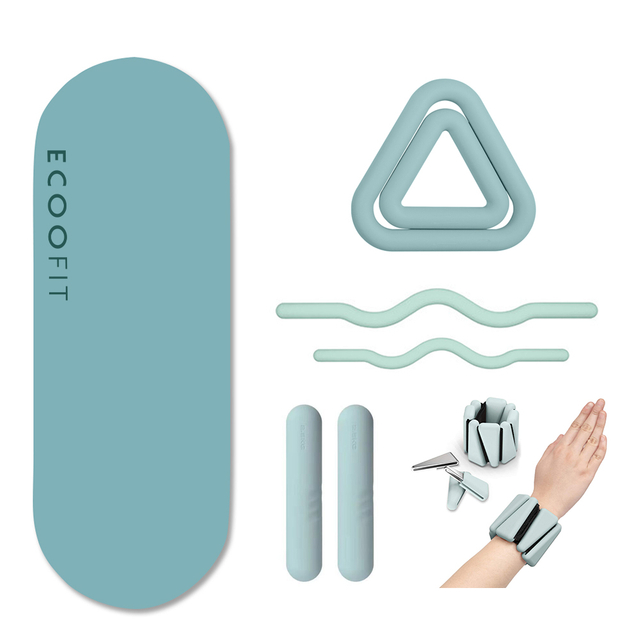
Cleaning your rubber yoga mat effectively requires the right materials. Using appropriate supplies helps maintain the mat's integrity while ensuring a thorough clean. Here’s what you’ll need for a successful cleaning routine.
1. Natural Soap
2. Using a gentle, natural soap is essential. Look for options free from harsh chemicals. Natural soaps are effective at breaking down sweat and oils without damaging the rubber.Water
3. Warm water is ideal for mixing with soap. It helps dissolve dirt and grime, making the cleaning process more efficient. Avoid using hot water, as it can degrade rubber over time.Microfiber Cloth
4. A microfiber cloth is perfect for wiping down the mat. Its soft texture won’t scratch the surface, and it effectively traps dirt and moisture. Plus, it’s reusable and easy to wash.Vinegar
White vinegar is a natural disinfectant and deodorizer. Mixing vinegar with water creates an effective cleaning solution to tackle stubborn odors and bacteria. It’s eco-friendly and safe for rubber.
Cleaning Supply | Purpose | Notes |
Natural Soap | Breaks down sweat and oils | Choose gentle, chemical-free options |
Water | Helps dissolve dirt | Use warm water for better results |
Microfiber Cloth | Wipes down the mat | Soft and reusable |
Vinegar | Disinfects and deodorizes | Mix with water for cleaning solution |
When cleaning your rubber yoga mat, it’s crucial to avoid harmful chemicals. Many conventional cleaners contain ingredients that can degrade rubber over time. Products with bleach, ammonia, or heavy fragrances can damage the mat and affect its performance.
● Common Chemicals to Avoid:Bleach
○ Ammonia
○ Strong detergents
○ Essential oils (some can break down rubber)
Instead, stick to natural and eco-friendly products. They clean effectively without compromising the mat's quality.
Using eco-friendly cleaning products is not just good for your mat; it’s also better for the environment. Many commercial cleaners contain toxic substances that can harm both your health and the planet.
● Benefits of Eco-Friendly Cleaners:Safe for you and your family
○ Biodegradable and sustainable
○ Often made from plant-based ingredients
By choosing eco-friendly options, you ensure that your cleaning routine is safe and responsible. This practice helps maintain the integrity of your rubber yoga mat while supporting a healthier planet.
Incorporating these materials into your cleaning routine will keep your rubber yoga mat in excellent condition, ready for every practice session.
Keeping your rubber yoga mat clean is essential for maintaining its longevity and performance. Below are detailed steps for both quick daily maintenance and thorough deep cleaning techniques.
After each yoga session, a quick wipe-down can make a significant difference. This process takes just a few minutes and helps keep your mat fresh.
● Instructions for a Quick Clean:
○ Gather Your Supplies: You’ll need a damp cloth and a mild soap or a homemade cleaning spray.
○ Dampen the Cloth: Use warm water to slightly moisten the cloth. Avoid soaking it, as excess water can damage the mat.
○ Add Soap: Apply a small amount of mild soap to the cloth, ensuring it’s not too soapy.
○ Wipe the Mat: Gently wipe down the surface of the mat, focusing on areas that may have collected sweat or dirt.
○ Air Dry: Allow the mat to air dry completely before rolling it up.
● Importance of Using a Damp Cloth and Mild Soap:
● Using a damp cloth prevents excess moisture from seeping into the mat, which can cause mold or mildew. Mild soap is effective at removing oils without harming the rubber.Homemade Cleaning Spray for Convenience:
For a more thorough clean, especially if your mat shows signs of wear or odor, deep cleaning is necessary.
● How to Deep Clean Rubber Yoga Mats:
○ Prepare Soapy Water: Fill a bathtub or large basin with warm water and add a few drops of mild soap.
○ Soak the Mat: Submerge the mat in the soapy water for about 10-15 minutes. This will loosen dirt and grime.
○ Scrub Gently: Using a soft sponge, gently scrub the surface of the mat. Focus on areas with visible stains or odors.
● Rinsing and Drying Methods:
After scrubbing, it’s crucial to rinse the mat thoroughly to remove all soap. Use a showerhead or a hose to rinse it under cool water. To dry, hang the mat over a shower rod or a clothesline, ensuring it’s spread out to avoid moisture retention.
Cleaning Step | Description | Tips |
Soaking | Submerge in soapy water for 10-15 minutes | Loosens dirt and grime |
Scrubbing | Use a soft sponge to clean the surface | Focus on stained areas |
Rinsing | Rinse thoroughly with cool water | Ensure all soap is removed |
Drying | Hang to dry completely | Avoid folding or rolling until dry |
● Baking Soda for Stubborn Stains and Odors:
If you encounter stubborn stains or lingering odors, sprinkle baking soda on the affected areas before scrubbing. Let it sit for about 15 minutes, then scrub and rinse as usual. Baking soda is a natural deodorizer and works wonders for tough spots.By following these step-by-step cleaning processes, you can ensure your rubber yoga mat remains in excellent condition, ready for every practice.
Creating your own cleaning solutions for rubber yoga mats is not only cost-effective but also allows you to use natural ingredients that are safe and effective. Here are some simple recipes and tips for making your own cleaning sprays.
1. Vinegar and Water Solution
a. This classic combination is a powerful cleaner and deodorizer.Ingredients:1 cup of white vinegar
i. 1 cup of water
b. Instructions: Mix the vinegar and water in a spray bottle. Shake well before each use. Spray onto the mat and wipe down with a microfiber cloth.
2. Essential Oil Infusion
a. Adding essential oils can enhance the cleaning power and provide a pleasant scent.Ingredients:1 cup of water
i. 1 tablespoon of mild liquid soap
ii. 10 drops of your favorite essential oil (like lavender or eucalyptus)
b. Instructions: Combine all ingredients in a spray bottle. Shake and spray on the mat, then wipe clean.
Cleaning Solution | Ingredients | Benefits |
Vinegar and Water | 1 cup vinegar, 1 cup water | Disinfects, deodorizes |
Essential Oil Infusion | 1 cup water, 1 tbsp soap, essential oil | Fresh scent, antibacterial properties |
Using natural ingredients for cleaning your rubber yoga mat offers several advantages.
● Safety: Natural solutions are generally safer for you and your family. They reduce exposure to harsh chemicals often found in commercial cleaners.
● Environmentally Friendly: Homemade cleaners are biodegradable and less harmful to the environment, making them a sustainable choice.
● Cost-Effective: Creating your own cleaning solutions is often cheaper than buying commercial products, saving you money in the long run.
Tea tree oil is renowned for its antibacterial and antifungal properties, making it an excellent addition to your cleaning routine.
● How to Use: Add a few drops of tea tree oil to your vinegar and water solution or your essential oil infusion. This boosts the cleaning power and helps eliminate odors.
● Caution: While tea tree oil is beneficial, it’s important to note that it should not be used on PU (polyurethane) mats, as it can degrade the material. Always check your mat's material before adding essential oils.
Incorporating these homemade cleaning solutions into your routine will keep your rubber yoga mat fresh and hygienic, ensuring a safe and enjoyable practice every time.
Cleaning rubber yoga mats is essential for hygiene and longevity. A regular cleaning routine helps maintain the mat's condition and performance. We encourage readers to adopt these practices for a healthier yoga experience. Share your own cleaning tips or experiences in the comments. For those looking for quality yoga mats and cleaning products, Ecoofit offers unique solutions that enhance your practice while ensuring durability and safety.
A: It's best to clean your rubber yoga mat after each use for hygiene and to maintain its condition.
A: Use natural soap, water, and a microfiber cloth to clean your yoga mats effectively.
A: Yes, a vinegar and water solution is great for cleaning rubber yoga mats and eliminating odors.
A: Regular cleaning prevents bacteria buildup and keeps your yoga mats fresh and safe for practice.
A: Yes, avoid bleach and strong detergents, as they can degrade rubber materials in yoga mats.


