
Views: 0 Author: Site Editor Publish Time: 2026-10-07 Origin: Site

Slipping during downward dog easily ruins your focus. In heated practices, losing traction poses real safety risks. Your flow demands absolute stability when you push physical limits. The market offers endless options, but widespread confusion exists around surface materials. A standard PU yoga mat is universally praised for superior grip. Yet, manufacturers use two completely different moisture-management technologies behind the scenes. They rely on either open-cell absorption or closed-cell water resistance. This fundamental structural difference dictates how the surface behaves under intense stress. This guide breaks down the science behind these competing structures. You will learn how to evaluate which technology fits your specific needs. We help you balance practice intensity, hygiene standards, and daily maintenance limits. Read on to make a highly informed decision for your next upgrade.
Absorbent PU relies on drawing moisture into the mat to maintain friction, but requires rigorous deep-cleaning to prevent bacteria and odor.
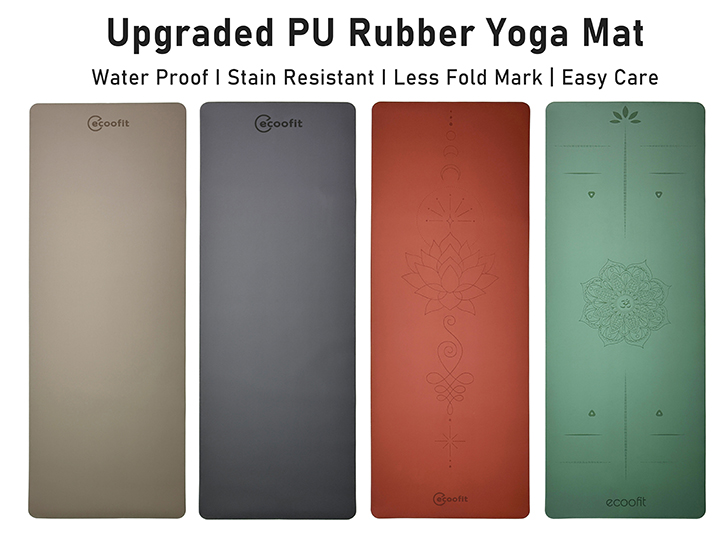
A true waterproof PU yoga mat blocks moisture at the surface, relying on specialized micro-textures for wet grip, drastically improving hygiene and lifespan.
The choice dictates your post-practice maintenance routine: immediate wipe-downs (waterproof) vs. prolonged air-drying (absorbent).
Many cheap mats claim to be "sweat-proof" but rely on temporary chemical coatings rather than structural closed-cell polyurethane.
Polyurethane represents a massive leap in exercise equipment technology. It offers incredibly high dry-friction compared to basic PVC or TPE options. PU surfaces grab your hands and feet securely. They provide excellent tactile feedback during complex balancing poses. The material responds well to subtle shifts in body weight. This inherent stickiness makes it the preferred top layer for premium gear globally.
Absorbent mats act like dense, thirsty sponges. They create a popular sweat grip PU yoga mat experience by pulling water downward. Sweat moves rapidly away from the top layer. You stay dry during intense, fast-paced sessions. However, this mechanism introduces a major hidden risk factor. Moisture, dead skin cells, and microscopic bacteria get permanently trapped inside the core. The dark, damp interior becomes an ideal breeding ground for microbes.
Closed-cell structures function as an impenetrable physical shield. A true waterproof PU yoga mat entirely prevents liquid penetration. Performance relies on advanced surface etching instead of absorption. Specialized micro-textures channel sweat away from high-pressure points. You maintain exceptional grip without absorbing a single drop of liquid. The moisture remains on top until you wipe it away. This fundamentally changes the hygiene profile of the product.
Closed-cell surfaces prevent microbial growth completely. Liquid simply cannot penetrate the barrier. This makes them the absolute safest option for busy studio environments. Heavy sweaters also benefit immensely from this clinical-level cleanliness. You never have to worry about hidden mold. Skin infections spread easily on shared, porous equipment. Blocking moisture at the surface eliminates this health hazard entirely.
Immediate cleanability completely changes your daily routine. A simple wipe-down removes surface sweat instantly. The mat is immediately ready for a second session. You avoid tedious washing procedures and messy bathtubs completely. Practitioners save valuable time every single week. A quick spray of natural cleaner leaves the surface completely sanitized.
Waterproof surfaces naturally degrade much slower over time. Acidic sweat never reaches the internal rubber layers. You avoid internal rotting and structural foam breakdown. Consider these durability benefits:
The top layer resists flaking caused by salt crystal buildup.
The core maintains its original cushioning and bounce.
Edges remain intact without peeling apart from moisture damage.
Color vibrancy lasts longer without absorbing dirty foot sweat.
The upfront cost pays off through a significantly extended lifespan. You replace your gear far less frequently.
We must address a skeptical reality directly. Practitioners sweat profusely during hot classes. If you refuse to use a towel, liquid can pool on a waterproof surface. Micro-textured top layers mitigate this issue quite well. They redirect moisture into tiny channels under your hands. Still, excessive sweat volume remains a strict physical boundary. Extreme puddles will eventually cause hydroplaning if left unwiped.
Many hot yoga practitioners initially prefer absorbent mats. They love the instant locked-in feeling when sweat hits the surface. The porous material acts like a vacuum. It aggressively pulls moisture away from contact points. You feel completely anchored during intense warrior poses. This immediate traction builds confidence for beginners attempting advanced inversions. The surface feels remarkably stable under heavy perspiration.
Heavy use reveals severe daily downsides. An absorbent mat quickly becomes waterlogged during a 60-minute class. It becomes noticeably heavier to carry home. If not dried completely in fresh air, it develops strong gym bag odor. This smell signals active bacterial growth inside the foam. Masking the scent requires harsh chemical sprays. Eventually, the odor becomes permanently embedded in the material core.
The constant cycle of absorbing acidic sweat destroys materials rapidly. Deep washing accelerates the structural breakdown of the PU layer. Over time, the surface begins flaking off onto your clothes. You will notice a sudden, dangerous loss of grip. Replacing these mats becomes a frequent necessity. The initial performance is excellent, but the operational lifespan remains inherently limited.
| Feature | Absorbent PU (Open-Cell) | Waterproof PU (Closed-Cell) |
|---|---|---|
| Hygiene Level | Low (Traps moisture and bacteria) | High (Blocks all surface moisture) |
| Maintenance | Requires prolonged air-drying | Instant wipe-down readiness |
| Hot Yoga Grip | Instant frictionless traction | Requires a towel for heavy pooling |
| Durability | Prone to internal rotting | Extended lifespan and resilience |
Heavy sweaters face a tough tactical choice. You might need an absorbent mat for pure, uncompromising traction. Alternatively, pair a waterproof mat with a high-quality grip towel. You must weigh clinical hygiene against instant traction. Using a towel over a waterproof surface offers the best of both worlds. You get slip resistance plus effortless mat sanitization.
Daily practitioners usually prefer closed-cell options outright. A waterproof design proves superior for moderate-sweat practices. You spend less time cleaning and more time actually flowing. The surface handles light perspiration perfectly. The micro-textures provide excellent dry and damp grip. It stands as the smartest long-term investment for a typical daily routine.
Business models rely on fast, efficient turnarounds. Waterproof surfaces allow rapid sanitization between back-to-back classes. You experience a much lower replacement frequency across your inventory. This keeps overhead manageable while ensuring pristine client hygiene. Students appreciate practicing on genuinely clean surfaces. It protects your brand reputation from complaints about smelly studio equipment.
Poolside practices present unique environmental challenges. Ambient humidity prevents gear from drying properly outside. You cannot practically dry an absorbent mat in tropical climates. It will remain damp for days. Waterproof options thrive in these extreme environmental conditions. They shrug off morning dew, pool splashes, and heavy humidity without skipping a beat.
Budget manufacturers often cut corners aggressively. They spray toxic DWR (Durable Water Repellent) coatings on standard, porous materials. This fakes a temporary waterproof effect for uninformed buyers. The thin chemical layer wears off in mere weeks of practice. You are suddenly left with a standard absorbing surface. This deceptive tactic plagues cheaper online marketplaces.
Buyers must read product specifications carefully before purchasing. Follow these specific verification steps:
Look for explicit mentions of thermal-fused layering processes.
Demand high-density base rubber specifications.
Check for the complete absence of toxic glues.
Verify if the manufacturer mentions closed-cell technology.
True structural waterproofing never washes away. It relies on the actual molecular density of the polyurethane, not a spray-on chemical.
Many consumers incorrectly assume thicker equals better. This logic fails miserably for moisture management. A thick, low-density yoga mat easily allows sweat to seep through. High density prevents liquid migration to the bottom layer. Always prioritize structural density over mere thickness. A dense 4mm mat outperforms a cheap, spongy 6mm mat every time.
Your surface choice dictates your entire practice experience. Absorbent mats prioritize immediate, frictionless traction under heavy sweat. However, they drastically sacrifice long-term hygiene and durability. Waterproof PU models take the exact opposite approach. They prioritize clinical hygiene, effortless maintenance, and extended lifespans. We highly recommend auditing your current cleaning routine. Honestly evaluate your typical sweat volume during sessions. If you hate lengthy washing protocols, strictly choose closed-cell technology. Select the surface aligning best with your daily realities and hygiene preferences.
A: Never put polyurethane mats in a washing machine. The intense agitation and spinning cycles cause severe structural damage. It tears the thermal-fused layers apart. Instead, follow strict wipe-down protocols. Use a soft damp cloth and mild soap. This safely removes surface oils without harming the protective closed-cell barrier.
A: Absorbent open-cell mats act like porous sponges. They pull sweat beneath the surface to maintain friction. Moisture, dead skin cells, and bacteria become trapped inside the core. If you lack proper air-drying routines, bacteria rapidly multiply. This internal microbial growth produces that persistent, unpleasant sour odor over time.
A: It depends entirely on your sweat volume. For moderate sweat during standard flows, you need no towel. The micro-textured surface provides ample grip. However, extreme puddle-producing hot yoga requires a towel. Once liquid pools significantly on the closed-cell surface, a towel becomes necessary for safety and traction.
A: You can perform a simple water-drop test. Place your dry mat flat on the floor. Drop a small tablespoon of water directly onto the surface. Wait five minutes. If the water absorbs and leaves a dark wet spot, it is open-cell. If it beads up permanently, it is closed-cell.


