
Views: 0 Author: Site Editor Publish Time: 2026-03-24 Origin: Site

Yoga practitioners today are paying closer attention not only to their practice but also to the equipment they use. One of the most discussed products in the yoga community is the TPE Yoga Mat, which has gained popularity as a modern alternative to traditional materials. As a company deeply involved in the production and development of fitness accessories, we have observed how demand for TPE yoga mats has increased significantly over the past decade. Yogis are increasingly looking for mats that combine comfort, durability, environmental responsibility, and performance.
Many people wonder whether TPE is truly a good material for yoga mats or whether it is simply a marketing trend. From our experience working with global fitness brands and yoga equipment distributors, we can say that TPE has become one of the most widely adopted materials because it balances multiple advantages that matter to users. A good yoga mat must provide stability, cushioning, and safety during practice while also being lightweight and easy to maintain. At the same time, the growing awareness of sustainable materials has pushed manufacturers to explore alternatives that reduce environmental impact. In this context, TPE has emerged as a strong candidate that meets both functional and ecological expectations.
Thermoplastic elastomer, commonly known as TPE, is a modern material that combines the flexibility of rubber with the recyclability of plastic. This hybrid structure allows it to deliver excellent elasticity while remaining lightweight and environmentally friendly compared with many traditional materials.
TPE has become a preferred choice in yoga mat manufacturing because it offers several structural advantages. Unlike conventional PVC materials, which rely heavily on chemical additives, TPE can achieve flexibility and durability through its molecular composition. This means that the mat can maintain resilience without requiring harsh plasticizers.
Another reason manufacturers prefer TPE is its adaptability. The material can be engineered to achieve different textures, densities, and surface patterns, allowing yoga mats to be designed for various levels of grip and comfort.
Comfort is essential in yoga practice, especially during poses that require kneeling, balancing, or extended floor contact. TPE yoga mats provide a soft but supportive cushioning layer that helps protect joints and muscles during practice.
The material absorbs pressure effectively, which allows practitioners to hold poses for longer periods without discomfort. For beginners, this added cushioning can make yoga sessions more accessible and enjoyable.
Portability is another important factor for yoga practitioners who attend classes or travel with their mats. Compared with many rubber or PVC mats, TPE yoga mats are significantly lighter.
This lightweight structure makes it easier for users to roll up and transport the mat without sacrificing stability during use. For yoga studios and gyms, lighter mats also simplify storage and daily handling.
One of the strongest selling points of TPE material is its environmentally conscious profile. Many yoga enthusiasts prefer products that align with sustainable lifestyles.
TPE mats are often produced without harmful substances such as latex, heavy metals, or toxic plasticizers. In addition, the material is recyclable, which reduces long-term environmental impact compared with some traditional alternatives.
Durability plays a crucial role in the value of a yoga mat. Frequent practice involves repeated stretching, compression, and friction, which can cause low-quality mats to deteriorate quickly.
TPE material provides strong resistance to wear and tear. The layered structure used in many TPE yoga mats helps maintain shape and elasticity over time, even with regular use.
Different yoga mat materials offer different benefits. Understanding these differences helps practitioners choose the product that best suits their practice style.
Material | Weight | Comfort | Eco-Friendly | Durability |
PVC | Medium | Good | Low | High |
Natural Rubber | Heavy | Excellent | Medium | High |
TPE | Light | Excellent | High | High |
From this comparison, it becomes clear why TPE yoga mats have become popular. They provide a strong balance between comfort, weight, durability, and environmental responsibility.
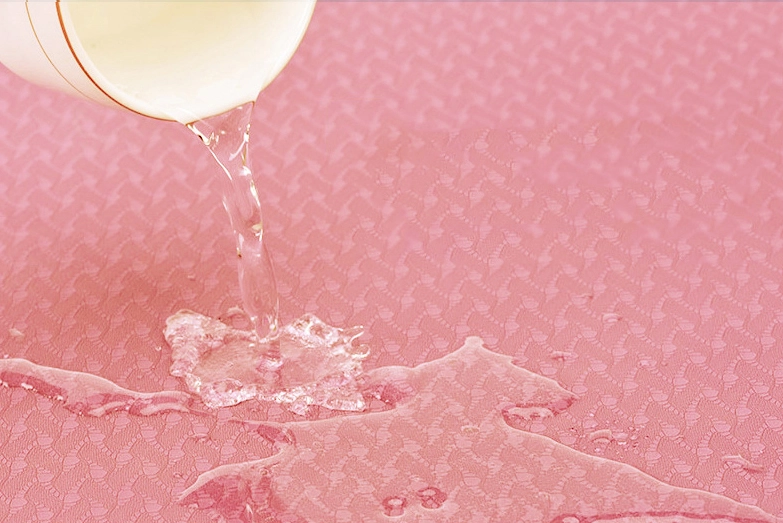
A good yoga mat must provide sufficient grip to prevent slipping during poses. TPE yoga mats often feature textured surfaces designed to improve traction.
These surface patterns allow the mat to maintain stability even during dynamic yoga styles such as Vinyasa or Power Yoga. The anti-slip structure supports both beginners and experienced practitioners by improving balance and control.
In addition to surface grip, the bottom layer of many TPE mats is designed to adhere firmly to the floor. This prevents the mat from shifting during movement, which helps maintain safety during practice.
Yoga mats are used in environments where sweat and moisture are common. For this reason, easy cleaning is an important feature.
TPE yoga mats generally have a closed-cell structure that reduces the absorption of moisture and bacteria. This makes them easier to clean and maintain compared with some porous materials.
Regular wiping with a damp cloth is usually sufficient to keep the mat hygienic. This convenience is particularly valuable for yoga studios that need to maintain multiple mats in daily use.
Different yoga practices place different demands on mats. A gentle restorative yoga session requires cushioning and comfort, while more active practices require stability and grip.
TPE yoga mats can adapt well to these varied needs because manufacturers can adjust the density and surface texture during production. This versatility makes the material suitable for a wide range of yoga disciplines.
Practitioners who prefer longer sessions often appreciate the joint support provided by thicker TPE mats. Meanwhile, those who focus on balance poses benefit from the stable and responsive surface.
Not all TPE yoga mats are the same. The quality of the final product depends heavily on the manufacturing process.
Advanced production techniques allow the material to be layered and compressed to create optimal performance. Proper bonding between layers ensures that the mat remains stable and does not separate over time.
Precision cutting and surface embossing also play a role in improving grip and appearance. When these processes are carefully controlled, the result is a yoga mat that offers consistent performance and long service life.
From our perspective as a manufacturer working with global fitness brands, the shift toward TPE materials reflects changing consumer priorities. Today’s yoga practitioners care not only about performance but also about sustainability and product safety.
Retailers and distributors increasingly look for products that meet these expectations while remaining competitively priced. TPE yoga mats offer an appealing balance between performance features and environmentally responsible design.
As a result, the material has become a leading option for yoga mats sold in both professional studios and home fitness markets.
Yoga mats come in different thickness levels, each suited for specific types of practice.
Thickness | Best Use |
4 mm | Travel yoga and balance training |
6 mm | Standard daily yoga practice |
8 mm | Extra joint protection |
TPE yoga mats can be produced in these different thicknesses without losing structural stability, which gives users flexibility when selecting the mat that best fits their needs.
The growing popularity of yoga has led practitioners to pay greater attention to the equipment that supports their practice. A TPE Yoga Mat stands out as a modern solution that balances comfort, durability, and environmental responsibility. Its lightweight structure, strong cushioning, and reliable grip make it suitable for a wide range of yoga styles, while its eco-friendly properties appeal to users who value sustainable products. From our perspective in the fitness equipment industry, TPE mats represent a thoughtful evolution in yoga mat design. For brands, distributors, and yoga enthusiasts seeking reliable and environmentally conscious fitness accessories, exploring high-quality options from Hunan Ecoo Fitness Co., Ltd. can be a practical step toward improving both product performance and user satisfaction.
If you would like to learn more about professional yoga mat manufacturing and explore different TPE yoga mat solutions, you are welcome to contact Hunan Ecoo Fitness Co., Ltd. for further information.
1. Is a TPE Yoga Mat better than PVC yoga mats?
Many practitioners prefer a TPE yoga mat because it is lighter, more environmentally friendly, and often free from harmful plasticizers compared with traditional PVC mats.
2. Are TPE yoga mats durable for daily practice?
Yes. A well-manufactured TPE yoga mat can maintain its shape and elasticity even with regular use, making it suitable for both home practice and studio environments.
3. Do TPE yoga mats provide good grip during yoga poses?
TPE yoga mats usually feature textured surfaces designed to improve traction, helping users maintain stability during poses and transitions.
4. Is TPE material safe for sensitive skin?
TPE yoga mats are generally produced without latex and many harsh chemicals, which makes them a comfortable option for users who prefer safer and more eco-friendly yoga accessories.


