
Views: 0 Author: Site Editor Publish Time: 2026-09-29 Origin: Site

Launching a new fitness center requires strict capital allocation. Outfitting specialized group exercise spaces like yoga studios demands careful planning and technical foresight. Facility managers often default to consumer-grade products when ordering inventory. This mistake leads to rapid material degradation, severe hygiene liabilities, and frequent replacement cycles under high-volume commercial use. Consumer products simply cannot survive the daily abuse of a busy studio schedule.
This guide provides a technical evaluation framework for sourcing commercial-grade Yoga Equipment. We balance upfront investment with long-term durability, premium member experience, and spatial efficiency. You will learn how to select materials that withstand rigorous cleaning protocols. We will explore how to optimize storage footprints and scale inventory effectively as your class sizes grow. By applying these procurement strategies, you protect your facility from unnecessary overhead and operational friction.
Prioritize Density Over Thickness: Commercial yoga mats require high-density materials (like closed-cell PU or natural rubber) to withstand daily use and rigorous cleaning protocols without degrading.
Standardize Yoga Accessories: Uniformity in blocks, straps, and bolsters reduces storage friction and ensures a consistent experience across varying class sizes.
Plan for Spatial Logistics: Equipment procurement must align directly with available storage infrastructure and facility ventilation capabilities to prevent mold and material breakdown.
Consumer mats typically see one to three uses per week. Commercial mats endure three to five daily sessions. This massive volume difference dictates strict durability requirements for your facility. You must evaluate gear based on its ability to survive continuous mechanical stress. Members step on mats with shoes during hybrid classes. They drag heavy dumbbells across the surface. Dynamic transitions create intense friction that shreds weak materials.
Establish baseline acceptable wear-and-tear metrics before purchasing. Look for high resistance to flaking, edge curling, and compression set. Flaking occurs when friction breaks down the top layer of the mat, leaving debris on the studio floor. Edge curling creates dangerous tripping hazards during fast-paced classes. Compression set means the foam fails to rebound after bearing heavy weight. Demand materials engineered to resist these specific failure points. Tensile strength testing provides a reliable indicator of how well a mat will hold together under lateral stretching forces.
Track the lifecycle of your inventory meticulously. High-density commercial gear should maintain structural integrity for at least twelve to eighteen months under heavy use. If you notice surface degradation within the first six months, your supplier is likely providing consumer-grade foam disguised as commercial inventory. Implement a quarterly audit where staff physically inspects every piece of gear for micro-tears and foam breakdown.
Material porosity directly impacts your facility's hygiene standards. Closed-cell foams block moisture absorption entirely. They repel sweat, body oils, and bacteria. This makes them exceptionally easy to wipe down between classes. Open-cell materials absorb moisture to provide superior grip. Hot yoga studios often prefer open-cell surfaces. However, these materials require intense, time-consuming sanitization protocols to prevent bacterial growth.
Evaluate how hospital-grade facility disinfectants interact with different equipment materials. Harsh quaternary ammonium compounds destroy cheap plastics rapidly. Strong chemical cleaners cause low-grade rubber to crack and split. You must verify that your chosen gear withstands your facility's specific cleaning chemicals. Request material samples from commercial vendors. Test your standard cleaning sprays on these samples before committing to a bulk order.
Develop a standardized cleaning workflow for your maintenance staff. Proper sanitization extends the life of your equipment significantly.
Remove all surface debris using a dry microfiber mop or cloth.
Apply the facility-approved disinfectant evenly across the surface.
Allow the chemical to sit for the manufacturer's required dwell time (usually 3 to 5 minutes).
Wipe the surface completely dry with a clean towel.
Hang the equipment on a drying rack with adequate airflow before returning it to storage.
Calculate your equipment-to-floor-space ratios early in the planning phase. A standard mat requires roughly 12 square feet of active floor space. Storage requires careful vertical planning. A rolled 3mm mat measures about four inches in diameter. Multiply this by forty mats, and you consume significant cubic footage. Your storage closets must accommodate this volume without crushing the bottom layers.
Address the logistical challenges of scaling inventory. Moving from 12-person classes to 30-person classes multiplies storage needs exponentially. You need dedicated racking systems to handle the increased load. Utilize equipment dimensions to define personal space boundaries on crowded studio floors. Standardized mats ensure safe distancing during dynamic movements. Uniform gear prevents members from encroaching on neighboring spaces.
| Class Capacity | Required Active Floor Space | Estimated Storage Volume (Mats & Blocks) | Recommended Racking Style |
|---|---|---|---|
| 10 - 15 Members | 180 sq. ft. | 25 cubic ft. | Single Mobile Cart |
| 16 - 25 Members | 300 sq. ft. | 45 cubic ft. | Wall-Mounted Peg Racks |
| 26 - 40 Members | 480 sq. ft. | 75 cubic ft. | Heavy-Duty Industrial Shelving |
PVC (Polyvinyl Chloride) offers massive durability for high-traffic environments. It features a closed-cell structure that makes it incredibly easy to sanitize. PVC requires a break-in period to achieve optimal grip. It lacks eco-friendly marketing appeal but dominates general-purpose gyms due to its sheer longevity. High-density PVC resists tearing even when members use cross-training shoes on the surface.
PU (Polyurethane) delivers excellent grip straight out of the box. It often utilizes an open-cell top layer that absorbs sweat effectively. This requires strict drying protocols to prevent odor buildup. PU excels in hot yoga studios where slip resistance remains the top priority for member safety. The polyurethane top coat is usually bonded to a rubber base, providing a heavy, stable foundation that prevents the mat from sliding across hardwood floors.
Natural rubber and cork provide high member appeal and excellent traction. These materials align well with eco-conscious studio branding. However, they remain highly susceptible to drying out. Cleaning them with harsh facility chemicals accelerates cracking. They require specialized, gentle cleaning solutions. Natural rubber also undergoes an off-gassing period. You must unroll and air out new rubber mats in a well-ventilated space for several days before introducing them to the studio floor.
| Material Type | Durability Rating | Hygiene/Cleaning Difficulty | Primary Commercial Application |
|---|---|---|---|
| PVC (Polyvinyl Chloride) | Very High | Easy (Closed-cell, resists chemicals) | General gyms, high-traffic studios |
| PU (Polyurethane) | Medium-High | Moderate (Open-cell top layer absorbs sweat) | Hot yoga, advanced Vinyasa |
| Natural Rubber | Medium | Difficult (Requires gentle cleaners) | Boutique studios, eco-focused brands |
Analyze the standard sticky mat, which typically measures 3mm to 4mm thick. This thickness provides optimal balance and stability. It allows members to feel the floor, enhancing proprioception during standing poses. A 3mm mat also rolls tightly. This minimizes your overall storage footprint and makes rapid class transitions much smoother. Thinner mats weigh less, reducing the physical strain on staff who must move dozens of mats daily.
Evaluate the use case for extra thick yoga mats measuring 6mm or more. These thick mats offer excellent joint support for kneeling postures. They provide multi-use versatility for Pilates and light strength training. However, they present distinct storage challenges due to a much larger roll diameter. Thick, squishy foam also dampens neurological feedback from the floor. This causes balance issues during single-leg standing poses. If you purchase thick mats, ensure they feature a high-density core to prevent members from sinking too deeply into the foam.
EVA foam blocks are cost-effective, lightweight, and easy to store. Staff can quickly stack dozens of foam blocks in a small closet. The primary risk lies in foam density. Low-density foam is prone to denting and scratching. It can harbor bacteria in deep scratches if not cleaned properly. Always specify high-density EVA foam for commercial use. Look for a Shore hardness rating between 30 and 40 degrees. This density ensures the block supports full body weight without compressing or collapsing.
Cork blocks offer superior stability under heavy body weight. They are naturally antimicrobial and provide a premium studio aesthetic. The risks include a heavier weight and a higher upfront investment. Cork blocks can also chip or crumble if dropped repeatedly on hard studio floors. Consider your flooring material before investing heavily in cork. If your studio features concrete or hard tile, stick to high-density EVA foam to prevent impact damage.
Compare cotton and nylon webbing when selecting straps. Cotton straps offer a soft, comfortable grip but absorb sweat quickly. They require frequent laundering. Nylon webbing provides superior durability. It resists moisture absorption and withstands aggressive commercial washing cycles without fraying. Nylon also features a higher tensile strength, making it safer for members using the strap for deep leverage.
Evaluate closure mechanisms carefully. D-ring closures are highly durable and hold tension securely. However, metal D-rings create loud, damaging noise inside commercial dryers. They can chip the enamel inside your laundry machines. Pinch-buckle closures operate quietly and protect your appliances. The downside is a higher break risk under extreme tension. Standardize your inventory with 8-foot lengths to accommodate diverse member demographics and varying flexibility levels.
Armless chairs serve as essential equipment for facilities offering chair yoga. They support senior demographics, mobility-impaired members, and rehab populations. Ensure the chairs feature flat, non-slip seats and sturdy metal frames. Folding chairs work best for quick storage and rapid room resets. Verify the weight capacity of the chairs, aiming for a minimum rating of 300 pounds to ensure safety across all member profiles.
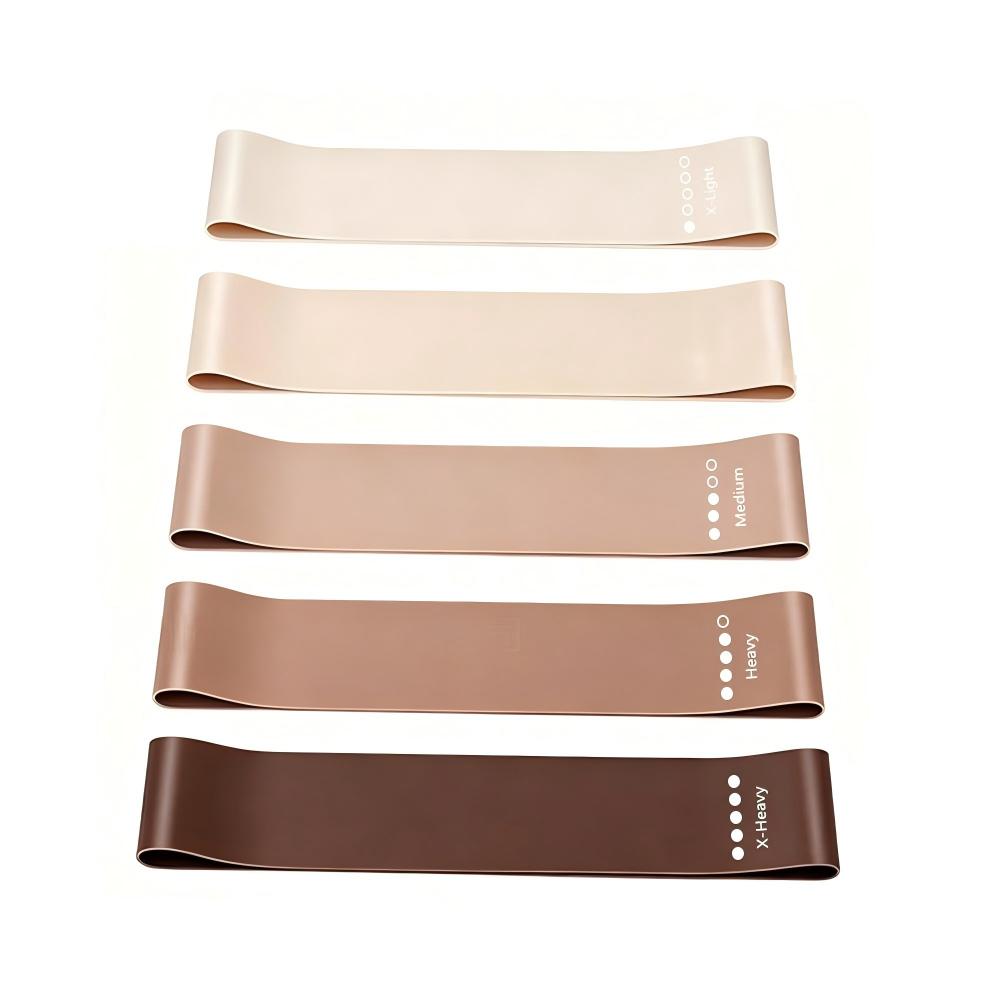
Resistance bands represent a low-cost, high-yield addition to your inventory. They support hybrid class formats like Yoga Sculpt or Pilates fusion. Adding these simple tools increases the overall return on your studio space. They allow instructors to blend strength training with traditional mobility work. Store resistance bands in dark, climate-controlled cabinets to prevent the latex from drying out and snapping.
Assess cover materials for bolsters strictly based on commercial laundering requirements. Restorative classes rely heavily on bolsters. Demand removable covers made from heavy-duty cotton or marine-grade vinyl. Vinyl wipes clean instantly, eliminating laundry overhead. Cotton provides better comfort but requires a dedicated washing schedule. Inspect the zipper hardware on all bolsters. Flimsy zippers break after just a few wash cycles, rendering the cover useless.
Evaluate blanket materials based on your facility's laundering capabilities. Mexican cotton blends wash easily, dry quickly, and resist pilling over time. Wool blankets offer premium warmth and a traditional aesthetic. However, wool requires delicate washing cycles. It also raises allergy considerations for sensitive members. Cotton blends generally serve commercial spaces better. Wash all new blankets three times before placing them in the studio to remove excess lint that will otherwise cover your floors.
Determine the return on investment before stocking yoga wheels. They serve advanced mobility classes well and assist with deep backbends. However, they consume massive amounts of storage space. They do not stack efficiently. Delay purchasing these niche yoga accessories until class attendance data justifies the specialized inventory. If you do purchase them, install dedicated wall pegs to keep them off the floor.
Integrate grippy socks into the studio's retail offerings. This enforces hygiene protocols across the facility. Grippy socks prevent slips on smooth studio floors. They also protect members from plantar warts and fungal infections. Selling them at the front desk drives secondary revenue while improving overall facility safety. Display them prominently near the studio entrance to encourage impulse purchases before class begins.
Sourcing pre-packaged fitness kits streamlines the entire procurement process. It guarantees a unified, professional aesthetic across the studio. Bulk procurement often makes this route highly attractive for new facility builds. You receive all necessary gear in a single, coordinated shipment. This reduces the administrative burden on your operations team during the chaotic pre-opening phase.
The downside involves filler items and uneven wear. Kits often include lower-quality components mixed with premium ones. You might get great mats but flimsy straps. Uniform degradation means you might need to replace the entire kit simultaneously. This creates a sudden, large capital expense rather than predictable, staggered replacement cycles. You also lose the ability to customize the exact dimensions and densities of individual props.
Individual sourcing provides maximum budget control. You gain the ability to allocate heavy funding to high-wear items like mats and blocks. You can save money on low-wear items like straps and blankets. This targeted spending maximizes the lifespan of your most critical inventory. You can select the exact Shore hardness for your blocks and the precise tensile strength for your straps.
The main drawback is vendor management overhead. Managing multiple suppliers takes time and administrative effort. Tracking different shipping schedules complicates your facility launch. You also risk a potential mismatch in branding, colors, and textures across your gear. Careful planning is required to maintain a cohesive studio look. Create a detailed spreadsheet tracking the exact Pantone colors of each item to ensure visual consistency.
Wall-mounted racks save valuable active floor space. They keep gear organized, visible, and off the ground. However, they require structural blocking inside the walls. Wet mats and heavy blocks create significant load-bearing stress. You must coordinate with contractors to install 3/4-inch plywood blocking behind the drywall during construction. Standard drywall anchors will rip out of the wall under the weight of commercial gear.
Mobile carts offer excellent operational flexibility. You can roll them into storage closets when the room hosts different fitness formats. This allows rapid room turnover. The trade-off is that mobile carts consume active floor space. They also require wider doorways and ramp access if moving between different facility levels. Specify heavy-duty polyurethane caster wheels with locking mechanisms. Cheap plastic wheels will shatter under the weight of fifty dense rubber mats.
Rolling up damp mats creates a perfect breeding ground for mold and mildew. Stacking sweaty foam blocks transfers bacteria rapidly through your inventory. You must address these operational risks before opening your doors. Poor ventilation ruins expensive gear in a matter of weeks. Mold spores also pose a severe respiratory risk to your members.
Outline strict facility workflows for post-class equipment sanitization. Mandate specific drying periods before gear returns to storage. Ensure your storage rooms feature adequate HVAC ventilation. Calculate the required Cubic Feet per Minute (CFM) airflow to keep the storage closet dry. Install commercial dehumidifiers in gear closets to control ambient humidity. Train your staff to inspect gear daily for early signs of mold or material breakdown.
Audit your current storage capacity and measure the exact cubic footage available for gear before placing any orders.
Request commercial material samples from two to three vendors to test against your facility's specific hospital-grade cleaning chemicals.
Calculate your required inventory buffer, aiming to purchase enough gear for your maximum active capacity plus a 15 percent surplus.
Install dedicated commercial dehumidifiers in all equipment storage closets to prevent mold growth and material degradation.
A: Purchase enough mats to meet your maximum class capacity, plus a 15 to 20 percent buffer. This surplus accounts for simultaneous classes, unexpected material damage, and mats temporarily removed from circulation for deep cleaning.
A: High-density commercial mats typically last 12 to 18 months under heavy daily use. Open-cell mats may require replacement every 6 to 9 months due to rapid sweat absorption and faster material degradation.
A: High-density EVA foam blocks are generally better for high-traffic gyms due to their durability, lower weight, and ease of sanitization. Cork blocks offer superior stability but can chip easily on hard floors.
A: Use hospital-grade, non-abrasive disinfectants approved for the specific material. Spray and wipe down closed-cell mats after every class. Allow all gear to air dry completely before rolling or stacking to prevent mold.
A: No. Standard 3mm to 4mm mats provide better stability for standing and balancing poses. Extra thick mats are better suited for Pilates, stretching, or classes requiring prolonged kneeling.
A: Armless chairs are the primary requirement for accessible and senior classes. You should also provide longer 8-foot straps and high-density foam blocks to assist members with limited mobility and flexibility.


