
Views: 0 Author: Site Editor Publish Time: 2026-06-01 Origin: Site

Are you searching for the perfect yoga mat? TPE Yoga Mats are gaining popularity fast. They offer a safer, eco-friendly alternative to traditional mats.In this post, you’ll learn what TPE yoga mats are and why yogis prefer them. We’ll explore their key benefits and how they enhance your practice.
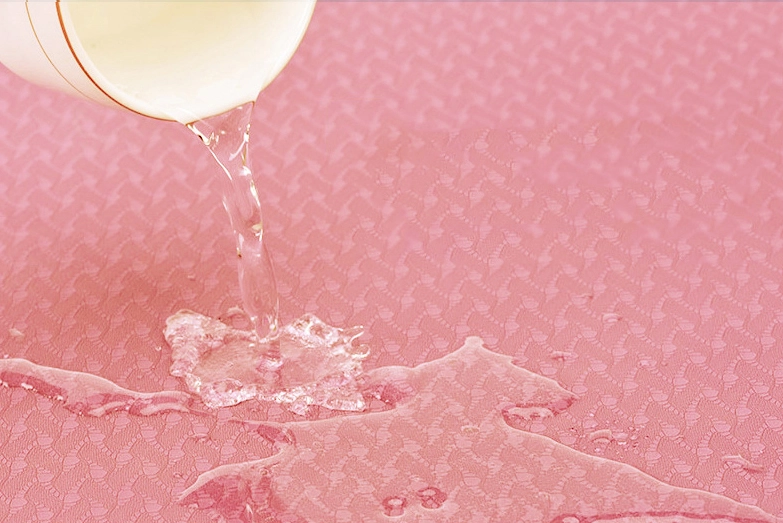
TPE yoga mats stand out for their eco-friendly and non-toxic nature. Made from thermoplastic elastomer, these mats avoid harmful chemicals like phthalates, heavy metals, and latex, which are often found in PVC mats. This makes them a safer choice, especially since your face often comes close to the mat surface during poses. While TPE is synthetic, it is recyclable and tends to break down more easily in landfills compared to traditional plastic mats. Choosing an eco friendly TPE yoga mat supports a greener yoga practice without sacrificing quality.
A key benefit of TPE mats is their excellent grip. The naturally textured surface provides a firm, no-slip hold, keeping you stable during challenging poses. Even when slightly damp from sweat, many TPE mats maintain traction, making them suitable for various yoga styles. This superior grip reduces the risk of slipping and injury, enhancing your confidence on the mat. Whether you’re using a tpe pilates mat or a yoga mat tpe material, you get reliable traction every time.
TPE mats are notably lightweight and easy to carry. Compared to dense natural rubber mats, a tpe yoga mat 6mm or 10mm thick feels much lighter, making it perfect for yogis on the go. You can effortlessly fold or roll a TPE mat and take it to the studio, park, or while traveling. This portability makes TPE exercise mats a popular choice for practitioners who value convenience without compromising cushioning or durability.
Thanks to the elastomeric properties of TPE material yoga mats, these mats offer excellent cushioning. They absorb impact well, protecting sensitive joints like knees, wrists, and hips during poses that put pressure on them. The cushioning strikes a balance — it’s soft enough to provide comfort but firm enough to maintain stability. This makes a yoga mat tpe material ideal for beginners and advanced practitioners alike.
TPE mats are hypoallergenic and free from natural latex proteins, which can trigger allergies. For those sensitive to latex or strong rubber smells, TPE mats provide a safe, odor-free alternative. This aspect makes tpe yoga mat safe for a wider range of users, ensuring a comfortable, irritation-free practice.
The closed-cell structure of TPE mats means they don’t absorb sweat, moisture, or bacteria. This makes cleaning simple — a quick wipe with mild soap and water keeps the mat fresh and hygienic. Unlike open-cell mats, TPE mats resist mold and odor buildup, making them a practical choice for daily use.
While not as long-lasting as high-end PVC mats, TPE mats offer balanced durability suitable for everyday practice. They withstand regular rolling, stretching, and use without quick wear or tear. This durability, combined with their eco-friendly profile, makes TPE mats a smart investment for many yogis.
When choosing a yoga mat, understanding the differences between TPE and PVC is crucial. PVC mats often contain phthalates and other harmful chemicals, which can release toxins during use or disposal. In contrast, TPE yoga mats are made from thermoplastic elastomer, a non-toxic, phthalate-free material that is hypoallergenic and safe for sensitive skin. Additionally, TPE mats are recyclable and tend to break down more readily in landfills, making them an eco friendly tpe yoga mat option. While PVC mats may offer long-lasting durability, their environmental footprint and potential health risks make TPE mats a safer, greener choice for mindful yogis.
Natural rubber mats provide excellent grip and cushioning but tend to be heavy and bulky. A tpe yoga mat 6mm or tpe yoga mat 10mm thickness offers a much lighter alternative without sacrificing comfort. This lightweight nature makes TPE mats highly portable and ideal for those who travel or attend classes outside the home. Unlike natural rubber, TPE mats are free from latex proteins, reducing allergy concerns. However, natural rubber mats often have a stronger odor and require more maintenance. If portability and ease of care are priorities, a tpe exercise mat is often the better fit.
Each material offers unique grip and cushioning characteristics. PVC mats are known for their sticky grip, which some yogis prefer for stability during fast-paced flows. Natural rubber mats provide superior traction, especially in sweaty conditions, thanks to their moisture-absorbing properties. TPE mats strike a balance with a textured surface that delivers excellent dry grip and moderate cushioning. While tpe mat yoga may become slippery when wet, using a yoga towel can help maintain traction. The cushioning of TPE mats protects joints well without feeling too soft or unstable, making them versatile for various yoga styles.
Price is often a deciding factor. PVC mats are generally the most affordable but may involve trade-offs in health and environmental safety. Natural rubber mats usually come at a premium price due to their natural sourcing and durability. TPE mats fall into a mid-range price category, offering an excellent balance of performance, safety, and eco-consciousness. While TPE mats may not last as long as high-end PVC or rubber mats, their durability is sufficient for regular use. Investing in a yoga mat tpe material often means choosing a mat that supports your practice and values without overspending.
| Feature | TPE Yoga Mat | PVC Yoga Mat | Natural Rubber Mat |
| Environmental Impact | Recyclable, non-toxic | Contains harmful chemicals | Biodegradable, natural |
| Weight | Lightweight | Medium weight | Heavy |
| Grip | Textured, good dry grip | Sticky grip | Exceptional, moisture-friendly |
| Cushioning | Balanced cushion and support | Moderate cushioning | Dense and supportive |
| Price | Mid-range | Budget-friendly | Premium |
| Allergy Concerns | Hypoallergenic, latex-free | May contain allergens | Possible latex sensitivity |
TPE yoga mats are an excellent choice for gentle, Hatha, and restorative yoga styles. These practices often involve holding poses for extended periods, so cushioning and joint support are essential. A tpe yoga mat 10mm or 6mm thickness provides just the right amount of padding to protect knees, wrists, and hips without sacrificing stability. Since these styles usually generate less sweat, the yoga mat tpe material’s dry grip performs well, keeping you grounded and comfortable throughout your session. Plus, the hypoallergenic and latex-free nature of TPE ensures a safe, irritation-free experience, especially for sensitive skin.
For more dynamic practices like Vinyasa and Power Yoga, TPE mats offer a balance between grip and flexibility. The thermoplastic elastomer yoga mat surface allows smooth transitions and quick movements without feeling overly sticky. Many practitioners appreciate how a tpe pilates mat or tpe exercise mat supports fluid sequences while maintaining enough traction to prevent slips. However, since TPE is closed-cell and doesn’t absorb moisture, you might notice reduced grip when sweating heavily. Using a yoga towel over your tpe mat yoga can help maintain traction during intense flows.
Hot yoga presents challenges for TPE mats due to the combination of heat and moisture. The closed-cell structure means sweat stays on the surface, which can make the mat slippery. In such high-moisture environments, a tpe yoga mat safe for general use may not offer the best grip without additional accessories. Also, prolonged exposure to heat can affect the mat’s integrity, so it’s important to avoid leaving your mat in hot places. For hot yoga practitioners, mats specifically designed for moisture management or natural rubber mats may be more suitable.
To get the most from your TPE yoga mat across different styles, consider using accessories. A yoga towel is especially helpful during sweaty practices, enhancing grip and absorbing moisture. Non-slip socks or gloves can also improve stability in Power or Vinyasa yoga. For restorative sessions, bolsters and cushions complement the excellent cushioning of a tpe yoga mat 6mm or 10mm, providing extra comfort. These accessories help adapt the versatile TPE mat to your unique practice needs, making it a practical choice for a wide range of yoga styles.
TPE yoga mats are made from thermoplastic elastomer, a material prized for its recyclability. Unlike traditional PVC mats that often end up in landfills indefinitely, TPE mats can be melted down and repurposed into new products. This recyclability reduces waste and supports a circular economy in yoga gear. Additionally, many eco friendly TPE yoga mats feature blends designed to biodegrade more readily under specific landfill conditions, lessening their long-term environmental footprint. While not fully natural like cork or jute mats, TPE offers a responsible synthetic option that balances performance and sustainability.
One of the key environmental advantages of TPE mats is their cleaner manufacturing process. TPE yoga mat material is typically produced without chlorine, phthalates, or heavy metals. This non-toxic production avoids harmful chemical off-gassing common in PVC mats, making TPE yoga mats safer for both the environment and your health. The absence of latex also means fewer allergens and less chemical residue. Choosing a tpe yoga mat safe in composition means supporting manufacturers who prioritize eco-conscious methods and reduce pollution.
When comparing yoga mat tpe material to PVC and natural rubber, TPE generally has a smaller ecological footprint. PVC, while durable and affordable, involves toxic chemicals during production and disposal. Natural rubber mats are biodegradable and renewable but often require intensive harvesting and are heavier to transport, increasing carbon emissions. TPE mats strike a middle ground: they are lighter to ship, recyclable, and free from many toxins. Their closed-cell structure also means less bacterial contamination and longer hygiene, reducing the need for harsh cleaning chemicals over time.
| Environmental Aspect | TPE Yoga Mat Material | PVC Yoga Mat | Natural Rubber Mat |
| Recyclability | High (melts and reshapes) | Low (non-recyclable) | Moderate (biodegradable) |
| Toxic Chemical Use | Minimal, phthalate-free | Contains chlorine, phthalates | Natural, but latex allergens |
| Biodegradability | Moderate, depends on blend | Very low | High |
| Carbon Footprint (Transport) | Low due to lightweight | Medium | Higher due to weight |
Opting for a tpe pilates mat or tpe exercise mat supports a more sustainable yoga lifestyle. These mats reduce reliance on harmful plastics and help minimize landfill waste. Because TPE mats are lightweight, they also lower transportation emissions. Their hypoallergenic and non-toxic nature ensures a healthier practice environment. By selecting an eco friendly tpe yoga mat, practitioners contribute to reducing the environmental impact of their gear while still enjoying excellent performance. This mindful choice aligns with the core yoga value of living in harmony with nature.
Keeping your TPE yoga mat clean is simple thanks to its closed-cell structure. This design prevents sweat and bacteria from soaking in, so you only need to wipe it down after each use. Use a soft cloth or sponge with warm water and a mild soap or eco-friendly mat cleaner. Avoid harsh chemicals or abrasive scrubbers, which can damage the tpe yoga mat material. For a quick refresh, a spray bottle with diluted vinegar and water works well to neutralize odors. Always let your mat air dry fully before rolling it up to prevent moisture buildup.
Storing your TPE mat properly extends its life. Roll your mat with the top side (the surface you practice on) facing outward. This helps the mat lie flat when unrolled and prevents curling edges. Keep it in a cool, dry place, ideally inside a breathable bag or mat carrier. Avoid folding the mat, as repeated creasing can weaken the tpe material yoga mat fibers. If you travel often, a lightweight tpe pilates mat or tpe exercise mat with a carrying strap can make storage and transport easier.
TPE mats are sensitive to heat because thermoplastic elastomers can soften or degrade under high temperatures. Never leave your mat in a hot car or direct sunlight for long periods. UV rays can cause brittleness and fading, reducing cushioning and grip. When drying your mat after cleaning, choose shade or indirect sunlight. If practicing outdoors, bring a mat bag or towel to shield your tpe mat yoga from excessive sun exposure.
To keep your tpe mat yoga in top shape, rotate it regularly during practice to distribute wear evenly. Avoid sharp objects or shoes on the mat surface to prevent punctures. If your mat starts to lose grip, a gentle wipe with warm water can help reactivate the surface texture. Investing in a tpe yoga mat 6mm or 10mm thickness suited to your practice style also supports longevity—thicker mats offer more cushioning but may compress faster if overloaded. With proper care, your TPE mat will provide years of comfortable, safe practice.
Choosing the right yoga mat depends heavily on your practice style. If you enjoy gentle, restorative, or Hatha yoga, a tpe yoga mat 10mm or 6mm thickness offers excellent cushioning and joint support. These mats provide enough padding to protect knees and wrists during longer holds without feeling unstable. For dynamic practices like Vinyasa or Power Yoga, a tpe pilates mat or tpe exercise mat offers a lightweight, flexible surface that supports smooth transitions. However, if you mainly practice Hot Yoga, you might find the yoga mat tpe material less ideal due to moisture-related slipperiness. In that case, mats designed specifically for moisture absorption or natural rubber mats could serve you better.
If you have latex allergies or sensitivities, a TPE yoga mat is a safe choice. Unlike natural rubber mats, TPE mats are latex-free and hypoallergenic, reducing the risk of allergic reactions. They also lack the strong rubbery odor common in some mats, making them more comfortable for sensitive practitioners. The tpe yoga mat safe composition ensures you can focus on your practice without irritation or distraction.
Portability is a significant factor for many yogis. TPE mats are notably lightweight compared to natural rubber mats, making them easier to carry to classes or while traveling. A yoga mat tpe 6mm thick strikes a good balance between cushioning and portability. If you often commute or travel for yoga, a tpe mat yoga offers convenience without compromising comfort. Conversely, if you prefer a heavier mat that stays firmly in place, natural rubber might be more suitable despite its weight.
Eco-conscious practitioners often seek an eco friendly tpe yoga mat because it offers a greener alternative to PVC mats. TPE mats are recyclable and typically produced without harmful chemicals, aligning with sustainable values. While not entirely natural, they break down more readily than conventional plastics. Choosing a thermoplastic elastomer yoga mat supports a mindful practice that respects the environment without sacrificing grip, cushioning, or hygiene.
While TPE mats suit many practitioners, some situations call for other materials. If your practice involves heavy sweating or hot, humid environments, natural rubber mats or specialized hot yoga mats may provide better moisture management and grip. Also, if you want a mat with a very sticky surface for advanced balancing poses, high-quality PVC mats might be preferable. Finally, if you prioritize a fully natural, biodegradable mat, cork or jute options could be worth exploring.
TPE yoga mats offer eco-friendly, non-toxic materials with excellent grip and cushioning. They support safer, more comfortable yoga practices for all levels. Lightweight and hypoallergenic, these mats suit various yoga styles while promoting sustainability. Choosing TPE mats encourages mindful, environmentally conscious decisions without sacrificing performance. Ecoofit provides high-quality TPE yoga mats that combine durability, comfort, and green values to enhance your yoga experience. Their products support both your practice and the planet with thoughtful design and care.
A: TPE yoga mats offer eco-friendly, non-toxic composition, superior grip, lightweight portability, excellent cushioning, and hypoallergenic properties. Made from thermoplastic elastomer yoga mat material, they balance durability and comfort better than PVC or natural rubber mats, making them ideal for various yoga styles.
A: Thickness options like a tpe yoga mat 6mm or 10mm impact cushioning and portability. A 6mm mat offers lightweight convenience and moderate support, while 10mm provides extra joint cushioning, ideal for gentle or restorative yoga. Choose based on your style and comfort needs.
A: Yes, TPE mats are hypoallergenic and latex-free, making a tpe yoga mat safe for those with latex sensitivities. They also avoid the strong rubber odors found in natural rubber mats, ensuring a comfortable and irritation-free practice.
A: While TPE mats provide good dry grip, their closed-cell structure can become slippery in high-moisture conditions like hot yoga. Using a yoga towel over your tpe mat yoga can improve traction during sweaty practices. For intense heat, consider mats designed specifically for moisture management.
A: TPE mats are easy to clean due to their closed-cell structure. Simply wipe with mild soap and water after use, avoid harsh chemicals, and air dry fully. Proper storage away from heat and direct sunlight preserves the tpe yoga mat material’s integrity and lifespan.


