
Views: 0 Author: Site Editor Publish Time: 2026-03-17 Origin: Site

A Yoga Wheel looks simple—just a round ring with a cushioned outer layer—but it can completely change how many people experience stretching, backbends, and mobility work. In everyday life, we sit more than we realize. Shoulders round forward, hips tighten, and the mid-back often feels stiff. Many yoga students know they “should open the chest” or “work on spine flexibility,” but they don’t always know how to do it safely or comfortably without forcing. That’s where the yoga wheel becomes a practical tool. It adds support where the body needs it, helps you move gradually into deeper shapes, and can make back-opening work feel more controlled instead of intense.
From our perspective at Hunan Ecoo Fitness Co.,Ltd., a yoga wheel is not only for advanced yogis doing big backbends. It’s useful for beginners, office workers, athletes, and anyone who wants a home practice tool that supports posture-focused mobility and mindful strength. In this guide, we’ll explain what a yoga wheel is good for, how it’s commonly used, who benefits most, how to choose the right wheel, and how to use it with simple safety habits.
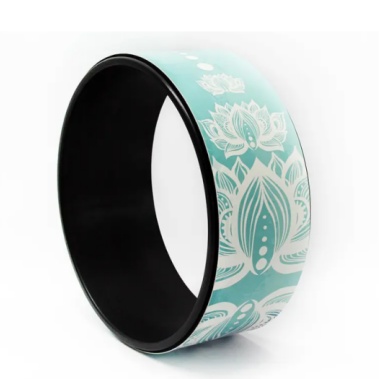
A yoga wheel is a circular yoga prop designed to support the back, shoulders, hips, and core during stretching and balance work. Most yoga wheels have:
a strong inner core (often plastic, composite, or similar rigid structure)
a padded outer layer for grip and comfort
a size that fits the back or torso comfortably
Because it rolls and provides curved support, it can help you explore extension, opening, and stability in a way that flat blocks or straps can’t always replicate.
One of the most popular ways to use a yoga wheel is for supported backbends, especially when you want to open the front body without feeling like you have to “push” into flexibility. Backbends can feel intimidating because they combine several skills at once—spinal extension, shoulder opening, core control, and steady breathing. If one of these elements is missing, the pose can quickly feel unstable or uncomfortable.
A yoga wheel helps by creating a smooth, controlled curve under your spine. Instead of dropping backward or collapsing into the lower back, you can move gradually, adjusting your position inch by inch. The curved surface also helps spread pressure more evenly across the back, which often makes the stretch feel more manageable. Because the wheel supports your weight, you can stay longer in a gentle shape while focusing on slow breathing and alignment. This makes it ideal for anyone who wants to build confidence and mobility over time—without rushing into deep backbend postures.
Many people feel tightness across the chest and front shoulders, especially after long hours of sitting and screen work. The yoga wheel is good for chest opening because it provides a curved surface that supports the upper back while the chest gently expands.
Common outcomes people notice:
a more open front body feeling after practice
easier shoulder positioning in yoga poses
improved awareness of upper back posture
a sense of relief from rounded shoulders
This doesn’t require advanced flexibility. Even simple supported stretching with a wheel can feel surprisingly effective when done consistently.
A major reason people like the yoga wheel is its ability to target the mid-back area, which often feels stiff but is hard to mobilize with basic stretching. The wheel’s curve helps encourage movement through the thoracic spine (mid-back) by offering a stable support point.
Why this matters:
a stiff mid-back often forces the lower back to compensate
better mid-back mobility can make overhead movement feel smoother
many yoga postures feel more accessible when the mid-back opens gradually
The wheel can help you focus on where you’re extending rather than letting all the movement collapse into the lower back.
Not all yoga wheel practice is passive stretching. The rolling surface challenges stability, which makes it useful for balance and core engagement work. Even simple movements require you to:
stabilize through the abdomen
coordinate breath and alignment
move slowly and with control
This is one reason some people use a yoga wheel as a cross-training tool. It’s not only about flexibility—it can also support mindful strength and body control.
While the wheel is often associated with back work, it can also support front-body stretching. Depending on the position, it may help you explore opening through:
hip flexors
quadriceps
abdomen
front ribs and chest
For people who sit often or do a lot of cycling or running, these areas can feel tight. The wheel provides support so that the stretch feels more controlled and less like you’re “pushing into discomfort.”
A yoga wheel can act like a bridge between basic and advanced postures. Instead of forcing a pose, the wheel provides a stable assist that makes the transition easier.
Examples of how people use it:
supporting the back in gentle backbend shapes
helping the shoulders open in supported positions
assisting with balance exploration
giving confidence in transitions and controlled movement
It’s not about “doing harder yoga.” It’s about using a tool to practice with better alignment awareness.
Goal | How a Yoga Wheel Helps | Who Often Benefits |
Backbends | Curved support for gradual extension | Beginners to advanced |
Chest opening | Helps expand front body comfortably | Office workers, posture-focused practice |
Mid-back mobility | Targets thoracic stiffness | People with rounded shoulders |
Core stability | Rolling surface challenges control | Athletes, strength-focused yogis |
Hip flexor stretch | Supports front-body lengthening | Runners, cyclists, seated workers |
Balance practice | Adds stability challenge safely | Intermediate learners |
A yoga wheel can be useful for many different people, including:
beginners who want safe support for back-opening work
yoga students working on flexibility gradually
people who sit for long hours and want posture-focused mobility
athletes who want controlled stretching and stability training
home practitioners looking for a compact, multi-use prop
The key is not experience level—it’s whether you want a tool that supports gentle, structured mobility and alignment practice.
Not all wheels feel the same. When choosing one, focus on practical usability:
A wider wheel often feels more stable.
A slightly narrower wheel can feel more targeted.
Softer padding can improve comfort on the spine.
A good grip surface helps prevent slipping during practice.
A strong core supports stable use under body weight.
Firmness affects how supported you feel in back work.
If you plan to use the wheel for back support often, comfort matters. A good balance of firmness and padding usually improves consistency.
To keep practice comfortable and controlled:
move slowly and avoid sudden rolling motions
keep breathing steady (don’t hold your breath)
avoid sharp pain or forced ranges
start with smaller movements and build gradually
use the wheel on a stable surface (avoid slippery floors)
consider guidance from a qualified instructor if you’re new
If you have existing injuries or conditions, it’s always wise to practice cautiously and prioritize comfort.
So, what is the yoga wheel good for? It’s good for supported backbends, chest opening, mid-back mobility, balance training, and controlled stretching that feels more stable than unsupported flexibility work. It can help many people—beginners and experienced yogis alike—practice with more confidence and better body awareness, especially in home routines where safe support matters.
At Hunan Ecoo Fitness Co.,Ltd., we design fitness and yoga accessories that support practical training and consistent practice. If you’re exploring a Yoga Wheel for flexibility, posture-focused mobility, or balance work, you’re welcome to learn more through Hunan Ecoo Fitness Co.,Ltd. and contact our team for product details and selection guidance.
A yoga wheel is good for beginners because it provides supportive structure for gentle backbends, chest opening, and mobility work without forcing deep ranges.
Many people use a yoga wheel to support chest and shoulder opening by gently extending the upper back and allowing the shoulders to relax into a more open position.
No. A yoga wheel is also used for balance training, core control, hip flexor stretching, and making certain poses feel more accessible through support and stability.
Look at wheel size, padding comfort, grip surface, and weight capacity. The best wheel is the one that feels stable and comfortable for your preferred practice style.


