
Views: 0 Author: Site Editor Publish Time: 2026-02-09 Origin: Site

Struggling to find the perfect yoga mat bag? Choosing the right one can make a big difference. A good bag protects your mat and gear. In this post, you’ll learn why a yoga mat bag is essential and how to pick the best one for your lifestyle.
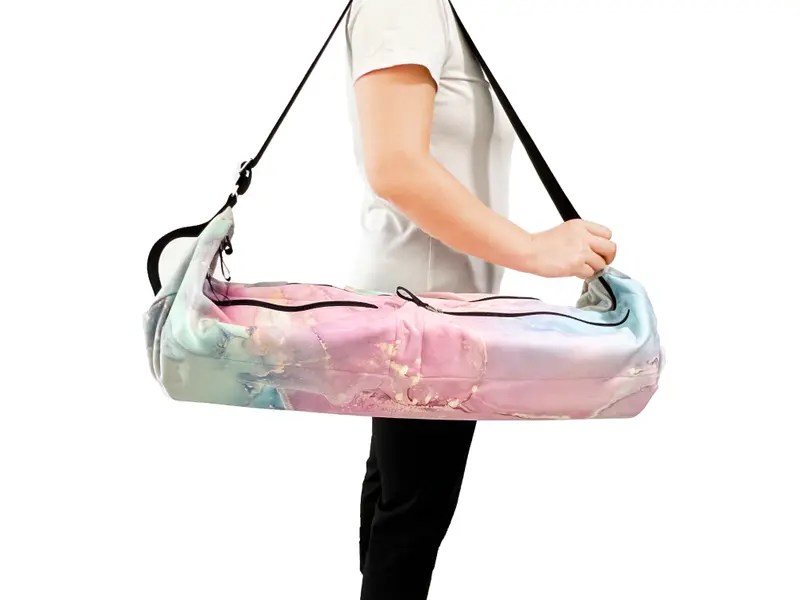
When it comes to choosing the perfect yoga mat bag, understanding the different types and their unique benefits is key. Each style suits different needs, lifestyles, and practice habits. Let’s explore the most popular yoga bag types, so you can find the best fit for your routine.
Classic yoga mat bags are straightforward carriers designed mainly for your mat. Usually cylindrical or rectangular, they feature a zipper and adjustable straps. These bags are lightweight and fit most standard mats comfortably. They often include a small side pocket for essentials like keys or a phone. If you want a simple, no-fuss yoga mat carrying case, this is a great choice. However, they typically lack space for blocks or extra gear.
Yoga tote bags blend fashion with practicality. They look like everyday totes but come with straps or loops to hold your mat, often externally. These bags offer generous space for clothes, water bottles, and yoga blocks. Many come with multiple compartments for better organization. Perfect for yogis who want a stylish yet functional bag, they’re especially popular as a yoga bag for mat and blocks. Women often favor these as a ladies yoga bag or women’s yoga bag option that transitions from studio to daily use.
Backpack-style yoga bags provide balanced weight distribution, making them ideal for commuters or students. They usually feature padded, adjustable straps and multiple compartments, including dedicated holders for mats and blocks. These bags are versatile enough to serve as a yoga mat and gym bag or even a workout bag with yoga mat holder. The ergonomic design reduces shoulder strain, perfect for those who walk or bike to class.
Sling yoga bags are slim, tube-shaped carriers with a single shoulder strap. They’re lightweight and easy to use, designed primarily for carrying just the mat. The simplicity appeals to minimalists or casual practitioners who don’t need extra storage. Sling bags often come in cotton or nylon, offering breathability and ease of cleaning. They’re a solid choice if you want a compact yoga mat carrier strap solution.
Duffel bags combine the capacity of a gym bag with yoga-specific features. They usually have large main compartments plus separate sections for shoes, towels, and blocks. Many include wet/dry compartments to keep sweaty gear isolated. These bags work well as a gym bag with yoga mat holder, ideal for yogis who also hit the gym or travel frequently. Their spacious design suits teachers or those carrying lots of equipment.
Mesh yoga bags prioritize ventilation to prevent odors and moisture buildup. They’re perfect for hot yoga practitioners or beach yogis who need their mats to dry quickly. These bags are lightweight and easy to wash but offer minimal protection from the elements. Mesh bags are a practical, budget-friendly option focused on hygiene.
Minimalist yogis: Classic or sling bags keep it simple and light.
Urban commuters and students: Backpacks offer comfort and storage.
Style-conscious women: Tote bags blend fashion and function.
Multi-sport enthusiasts: Duffels serve yoga and gym needs.
Hot yoga lovers: Mesh bags provide breathability and odor control.
Consider how much gear you carry, how you commute, and your style preferences when selecting your ideal yoga bag.
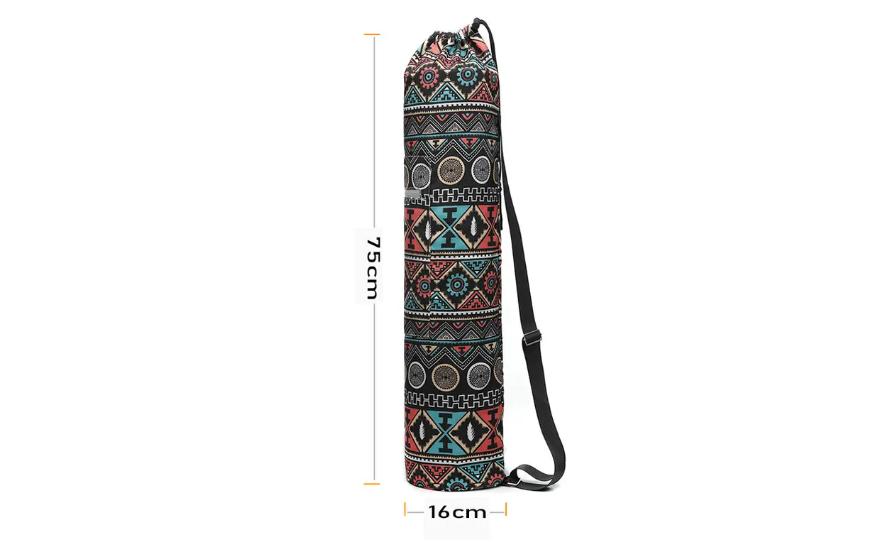
Choosing the right yoga bag means more than just picking a pretty design. To get the best fit for your practice and lifestyle, focus on key features that ensure comfort, functionality, and durability. Here’s what to look for:
Yoga mats vary in length and thickness. Standard mats are about 68 inches long, but some yogis prefer longer or thicker mats. Make sure your bag fits your mat’s size comfortably. Some bags even accommodate extra-thick mats or larger blocks. This is especially important if you’re searching for the best yoga bag for mat and blocks. A snug fit prevents your mat from slipping or getting damaged during transport.
Look for bags with multiple compartments. Separate pockets for keys, phones, water bottles, and yoga blocks keep your essentials organized and easy to find. Some yoga tote bags and yoga backpacks feature wet/dry compartments to separate sweaty clothes from clean items. For busy yogis, this organization makes a big difference in daily convenience.
Comfortable straps are a must, especially if you carry your bag for long distances. Adjustable straps let you customize the fit, while padded straps reduce shoulder strain. Backpack-style yoga mat backpacks are great for balanced weight distribution. If you prefer a sling or tote, check that the straps won’t dig into your skin. A well-designed yoga mat carrier strap can change how you feel after your commute.
Materials impact how long your bag lasts and how well it protects your gear. Nylon and polyester offer water resistance and durability, perfect for outdoor use or rainy days. Natural fibers like cotton and canvas feel breathable and stylish but may absorb moisture. Eco-friendly options like recycled fabrics align with sustainable values. For example, many women’s yoga bags now use organic cotton or recycled polyester to reduce environmental impact.
Yoga mats and gear can get sweaty, especially after hot yoga. Bags with mesh panels or ventilation grommets allow airflow, helping prevent odors and mildew. Breathability is essential if you want your bag to stay fresh between classes. Some yoga gym bags even include antimicrobial linings for extra hygiene.
Modern yogis often use their bags for more than just yoga. Look for designs that double as gym bags, travel bags, or everyday backpacks. Features like laptop sleeves, shoe compartments, and bottle holders add versatility. A workout bag with yoga mat holder can streamline your fitness routine by carrying all your gear in one place.
If you practice early mornings or late evenings, reflective strips increase your visibility and safety. Secure closures like heavy-duty zippers or magnetic snaps keep your belongings safe. Anti-theft pockets are a bonus for urban commuters. These small touches elevate your yoga bag for mat and blocks from functional to lifestyle essentials.
Choosing the right material for your yoga mat bag is crucial. It affects durability, comfort, style, and even how your bag handles moisture and odors. Let's break down the common fabric options and what they mean for your practice.
Cotton and canvas are popular natural choices, especially for yoga tote bags and slings. They feel soft, breathe well, and often come in stylish prints or earthy tones. These materials are great if you want a breathable bag that won’t trap moisture or odors. However, they absorb water easily, so they might not be ideal if you often carry your mat in wet conditions or practice hot yoga. Cotton and canvas bags are also easy to clean and eco-friendly, making them a favorite among those seeking a women’s yoga bag that balances function with a natural look.
Nylon and polyester dominate the market for yoga backpacks and gym bags with yoga mat holders. Both fabrics are lightweight, strong, and resist water, protecting your mat from rain or sweat. They dry quickly and often feature coatings that enhance water resistance. These materials suit commuters or outdoor yogis needing a robust workout bag with yoga mat holder. While less breathable than natural fibers, many synthetic bags include mesh panels or ventilation grommets to combat odor buildup. Plus, they tend to last longer under heavy use, making them a smart choice for the best yoga bag for mat and blocks.
Leather yoga bags offer a luxurious feel and exceptional durability. They are stylish, often used in yoga tote bags designed for fashion-conscious yogis. Leather ages beautifully and withstands years of use. However, it requires regular maintenance and is heavier than other materials. Leather is not water-friendly, so it’s best for dry climates or studio use. If you want a statement piece that doubles as a ladies yoga bag, leather is a premium option that blends function with elegance.
Sustainability matters to many yogis today. Bags made from recycled polyester (RPET), organic cotton, hemp, or other eco-friendly fabrics are growing in popularity. These materials reduce environmental impact without sacrificing performance. Many yoga mat backpacks and yoga gym bags now incorporate these fabrics, appealing to eco-conscious buyers. They often feature non-toxic dyes and fair-trade certifications. Choosing an eco-friendly yoga mat carrying case supports your values and the planet.
Each fabric type demands different care. Natural fibers may shrink or stain but are generally easy to wash. Synthetic bags often just need spot cleaning but require attention to zippers and seams to avoid wear. Leather needs conditioning to prevent cracking. Proper maintenance extends your bag’s life, ensuring your investment in a quality yoga bag for mat and blocks pays off.
| Material | Durability | Water Resistance | Breathability | Best For |
| Cotton | Moderate (1-2 yrs) | Low | High | Casual, eco-friendly, style |
| Canvas | Good (3-4 yrs) | Medium (waxed) | High | Stylish totes, rugged use |
| Nylon | High (3-5 yrs) | High | Medium | Commuters, outdoor use |
| Polyester | Moderate (2-3 yrs) | Medium | Medium | Budget-friendly, versatile |
| Leather | Very High (10+ yrs) | Medium (treated) | Low | Luxury, fashion-focused |
| Recycled Fabrics | Moderate (2-4 yrs) | Medium | Medium | Eco-conscious yogis |
Choosing the right yoga mat bag means matching it to how you practice and live. Your daily routine, gear needs, and style all influence which bag suits you best. Let’s explore options tailored for different yogis.
If you carry just your mat and a few essentials, keep it simple with a classic sling or compact yoga mat carrier strap bag. These bags are lightweight and easy to carry, perfect for quick trips to the studio. Minimalists appreciate the no-fuss design and portability, often favoring cotton or nylon for breathability and ease of cleaning. A yoga mat carrying case with just enough room for keys and phone fits the bill.
For those walking, biking, or using public transit, comfort is key. A yoga mat backpack or ergonomic yoga gym bag with padded, adjustable straps distributes weight evenly. These bags often feature external mat holders and multiple compartments for laptops, books, and accessories. Durable materials like nylon or polyester withstand daily wear. A workout bag with yoga mat holder that blends style and function supports busy schedules.
Hot yoga lovers need bags that handle sweat and moisture. Look for yoga duffel bags or yoga tote bags with mesh panels or dedicated wet/dry compartments. Breathable fabrics and antimicrobial linings help control odors. These bags often have space for towels, extra clothes, and blocks, making them a great yoga bag for mat and blocks. Water-resistant materials protect your gear after sweaty sessions.
Teachers and travelers carry more gear. Large, structured yoga gym bags or duffels with separate compartments keep mats, blocks, straps, and personal items organized. Features like trolley sleeves and reinforced handles add convenience. Premium materials such as coated nylon or leather blends offer durability and style. A best yoga bag for mat and blocks in this category balances capacity with professional appearance.
If sustainability drives your purchases, consider bags made from recycled polyester, organic cotton, or hemp. These eco-friendly women’s yoga bags offer durability and breathability while reducing environmental impact. Many brands now produce stylish ladies yoga bags that align with green values. Choosing an eco-conscious yoga mat tote bag supports your practice and the planet.
Your yoga bag can reflect your personality. Tote-style bags in leather or canvas blends offer a chic look. Bold patterns or minimalist designs suit different tastes. Many yoga bag women prefer bags that transition seamlessly from studio to street. A stylish yoga backpack or yoga mat tote bag combines function with fashion, making your gear a part of your daily outfit.
When it comes to choosing the perfect yoga mat bag, understanding the cost versus value is essential. Your budget can guide your options, but it’s important to balance price with durability, features, and how well the bag fits your lifestyle.
Budget ($15–$30):At this level, you’ll find simple yoga mat carrying cases or basic slings made from cotton or polyester. These bags usually have minimal compartments and basic straps. They’re great for beginners or those who carry just a mat. However, expect shorter lifespans—often 1 to 2 years with regular use.
Mid-Range ($35–$60):Bags in this range often include better materials like nylon or reinforced polyester. You’ll get more pockets, adjustable straps, and sometimes water resistance. This category includes popular yoga tote bags and yoga backpacks for daily commuters. These bags typically last 2 to 3 years and offer good value for regular use.
Upper-Mid ($60–$80):Here, you find ergonomic yoga gym bags and duffel bags with yoga mat holders featuring padded straps, multiple compartments, and durable fabrics like 600D nylon. These bags suit frequent yogis who carry mats and blocks. Lifespan can extend to 3 to 4 years, making the cost-per-use attractive.
Premium ($80–$150+):Premium bags include high-end features such as antimicrobial linings, wet/dry compartments, and luxury materials like leather or coated nylon. These are perfect for hot yoga enthusiasts, teachers, or travelers. Though pricier, they offer durability and style, often lasting 4 to 5 years or more.
Calculating cost-per-use helps you see the real value. For example, a $25 basic sling bag lasting one year with weekly use costs roughly $0.48 per use. In contrast, a $65 well-made yoga mat backpack lasting three years with twice-weekly use costs about $0.21 per use. Investing a bit more upfront often saves money and hassle over time.
Focus on must-have features for your practice. If you need a gym bag with yoga mat holder that fits blocks and clothes, mid-range options provide good storage without breaking the bank. For minimalists who only carry a mat, budget slings or yoga mat carrier straps may suffice. Prioritize comfort with padded straps if you carry your bag often.
Consider premium bags if you:
Practice hot yoga and need odor control and ventilation.
Teach classes and carry multiple props.
Travel frequently and require durable, multi-functional bags.
Want a stylish women’s yoga bag or ladies yoga bag that doubles as everyday carry.
You don’t have to spend a fortune for quality. Look for reputable brands offering synthetic fabrics like nylon or polyester with reinforced stitching. Some budget-friendly yoga mat tote bags include extra compartments and adjustable straps. Reading customer reviews helps identify durable, affordable options.
Keeping your yoga mat bag in great shape ensures it serves you well for years. Proper care not only preserves its look but also maintains functionality, whether it’s a yoga tote bag, yoga backpack, or a simple yoga mat carrying case. Here’s how to care for your bag based on its material and usage.
Cotton and Canvas Bags:These natural fabrics often absorb sweat and dirt. Spot clean with mild soap and cold water. Avoid harsh detergents that can fade colors. Most cotton or canvas ladies yoga bags can be hand-washed and air-dried. Machine washing is possible but gentle cycles are best. Regular cleaning prevents odors and stains.
Nylon and Polyester Bags:Synthetic bags like yoga mat backpacks or gym bags with yoga mat holders are more resilient. You can usually wipe them clean with a damp cloth or hand wash them. Some are machine washable on gentle cycles. Avoid bleach to protect water resistance. Dry thoroughly to prevent mildew.
Leather Bags:Premium women’s yoga bags in leather require special care. Use leather cleaners and conditioners to keep the material supple. Avoid soaking or machine washing. Store leather bags away from moisture and direct sunlight to prevent cracking or fading.
Eco-Friendly Bags:Bags made from recycled fabrics or organic cotton often follow similar care to cotton. Check labels for specific instructions. Hand washing and air drying usually work best to maintain eco-friendly finishes.
Store your yoga bag in a cool, dry place away from direct sunlight. UV rays can fade colors and weaken fabrics.
Hang bags by their straps or lay flat to maintain shape. Avoid stuffing bags tightly, which can deform compartments or straps.
For bags used after hot yoga or sweaty workouts, allow them to air out fully before storage to prevent mold or odor buildup.
Check zippers, seams, and straps regularly. Fix loose threads or small tears promptly with needle and thread to avoid bigger damage.
Lubricate metal zippers occasionally to keep them running smoothly. Replace broken buckles or clips to maintain strap integrity.
For yoga mat carrier straps, ensure the stitching and adjustable parts remain secure to avoid accidents during transport.
Avoid overloading your bag beyond its designed capacity, especially with heavy blocks or gym gear.
Use wet/dry compartments if available to separate sweaty gear, protecting the rest of the bag’s interior.
Rotate between bags if you practice frequently, giving each one time to dry and rest.
Finding the perfect yoga mat bag involves more than choosing the right style and features—you also need to know where and how to buy it. Whether you prefer shopping online, visiting physical stores, or looking for custom options, understanding your purchasing avenues can help you get the best quality and value.
Online shopping offers unmatched convenience and variety. Websites like Amazon, specialty yoga stores, and brand-specific sites host a wide range of options—from simple yoga mat carrier straps to premium yoga backpacks and gym bags with yoga mat holders. You can compare prices, read customer reviews, and check detailed product specs. However, buying online means you can’t physically inspect the bag’s material or fit before purchase. To mitigate this, look for retailers with generous return policies and clear sizing guides. Also, watch for trusted brands known for quality and durability.
Yoga studios and specialty fitness stores often stock curated selections of yoga bags, including stylish yoga tote bags and functional yoga gym bags. Shopping here lets you feel the bag’s fabric, test strap comfort, and get expert advice. Studios typically carry brands favored by local yogis, which can be a sign of quality and reliability. Plus, buying from a studio supports the yoga community directly. The downside is a more limited range compared to online. Prices may also be slightly higher due to retail markups.
When selecting a yoga bag for mat and blocks, brand reputation matters. Leading brands like Manduka, Lululemon, and Gaiam are known for durable materials, ergonomic designs, and thoughtful features like wet/dry compartments and adjustable straps. These brands often offer eco-friendly options, appealing to conscious consumers. Checking brand reviews and warranty policies can give you confidence in your purchase. For example, a well-made ladies yoga bag from a trusted brand may last years, justifying a higher upfront cost.
For yogis seeking something unique or sustainable, custom yoga bags and eco-friendly materials are excellent choices. Some manufacturers offer personalized printing, embroidery, or tailored sizes to fit specific mats and gear. Eco-conscious buyers can find bags made from organic cotton, recycled polyester, or hemp. These bags not only reduce environmental impact but often feature non-toxic dyes and fair-trade certifications. While custom and eco-friendly options may cost more, they align with values and provide a distinct look.
Measure your mat and gear to ensure compatibility with bag dimensions.
Prioritize comfort by considering strap design and padding.
Look for multi-compartment bags if you carry blocks, towels, or gym clothes.
Check return policies especially when buying online.
Read customer reviews for real-world insights on durability and usability.
Consider your lifestyle: commuters may prefer backpacks, while casual yogis might opt for totes or slings.
Don’t overlook warranty and after-sales support, which add peace of mind.
Choosing the perfect yoga mat bag means considering size, material, and style to suit your practice. Align your choice with how often and where you practice for best results. Prioritize comfort, storage, and durability to enhance your yoga routine. Ecoofit offers thoughtfully designed yoga bags that combine functionality with eco-friendly materials, supporting your active lifestyle while caring for the planet. Their products provide lasting value and style, making your yoga journey more enjoyable and organized.
A: A yoga mat bag is a specialized carrying case designed to transport your yoga mat conveniently and protect it from dirt and damage. It often includes compartments for blocks and accessories, making it ideal as a yoga bag for mat and blocks. Using a yoga mat bag, such as a yoga mat carrying case or yoga backpack, helps keep your gear organized and easy to carry to class or the gym.
A: Consider size compatibility with your mat and blocks, storage compartments, strap comfort, and material durability. For example, a yoga tote bag offers style and space, while a yoga gym bag or yoga mat backpack provides ergonomic support. Look for features like adjustable straps and wet/dry compartments to suit your practice and lifestyle.
A: A yoga mat carrier strap is a minimalist option designed to carry just the mat. It’s lightweight and compact but lacks storage for blocks or accessories. If you need to carry more gear, a yoga mat tote bag or gym bag with yoga mat holder is a better choice.
A: Durable, water-resistant materials like nylon or polyester are great for daily use and commuting. Cotton and canvas offer breathability and style, popular in ladies yoga bags. Eco-friendly options like recycled fabrics support sustainability. Choose based on your practice needs and care preferences.
A: Prices range from budget-friendly slings ($15–$30) to premium yoga gym bags or duffels ($80+). Mid-range options ($35–$60) balance features and durability well. Investing in a quality yoga mat bag often saves money long-term by lasting longer and offering better comfort.
A: Care depends on material—cotton and canvas bags are best hand-washed; nylon and polyester can be wiped clean or machine-washed gently; leather requires special conditioners. Always air dry and store in a cool, dry place. Regular maintenance of zippers and straps keeps your yoga mat carrying case functional.


