
Views: 0 Author: Site Editor Publish Time: 2026-01-10 Origin: Site

Are you new to yoga and wondering if Yin Yoga is right for you? Many beginners feel unsure about starting their journey with this unique style. In this article, we’ll explore the benefits of Yin Yoga and its suitability for beginners. You’ll also learn about essential tools, including yoga mats, that can enhance your practice.
Yin Yoga is a unique style of yoga that emphasizes passive stretching and long-held poses. Unlike more dynamic forms of yoga, such as Vinyasa or Hatha, Yin Yoga focuses on the deeper connective tissues, like fascia and ligaments. This approach allows practitioners to cultivate flexibility and release tension effectively.
In Yin Yoga, poses are typically held for several minutes, allowing the body to relax and open up. This contrasts sharply with Yang Yoga, where movements are often fluid and vigorous. The stillness in Yin Yoga encourages mindfulness and self-awareness, making it a perfect practice for those seeking a deeper connection to their bodies.
Aspect | Yin Yoga | Yang Yoga |
Focus | Passive stretching | Dynamic movement |
Duration | Long-held poses | Shorter, flowing sequences |
Tissues Targeted | Connective tissues (fascia, ligaments) | Muscles |
Mindfulness | High emphasis | Moderate emphasis |
Yin Yoga offers numerous benefits that can be particularly appealing to beginners. Firstly, it provides significant physical advantages. Regular practice can lead to increased flexibility and reduced stiffness, making everyday movements more comfortable. For those who sit for long periods, Yin Yoga can counteract the tightness that builds up in the body.
In addition to physical benefits, Yin Yoga also promotes mental well-being. The practice encourages stress relief and improved focus. As you hold poses, you learn to breathe deeply and tune into your body, which can help calm racing thoughts. This meditative aspect is invaluable for anyone feeling overwhelmed by daily life.
Emotional benefits are equally important. Yin Yoga fosters emotional resilience and a calming effect on the mind. By engaging in this practice, beginners can cultivate a sense of peace and stability. The slow pace allows for reflection, helping individuals process emotions and develop a stronger connection to themselves.
Yin Yoga also plays a crucial role in promoting body awareness. As you become more in tune with your body’s sensations, you learn to recognize what feels good and what doesn’t. This heightened awareness can lead to better decision-making in your yoga practice and daily life.
Benefit Type | Description |
Physical | Increased flexibility, reduced stiffness |
Mental | Stress relief, improved focus |
Emotional | Calming effect, emotional resilience |
Body Awareness | Enhanced awareness of sensations and needs |
Incorporating Yin Yoga into your routine can be a transformative experience. It not only helps you physically but also nurtures your mental and emotional health, making it an excellent choice for beginners looking to start their yoga journey.
When we talk about beginners in yoga, it’s essential to recognize that not all beginners are the same. Some may be naturally flexible, while others might struggle with tight muscles. Additionally, mental distractions can vary widely. For instance, some beginners may find it easy to stay present, while others may feel overwhelmed by their thoughts. This diversity means that the term "beginner" can be quite subjective.
Type of Beginner | Characteristics |
Flexible Beginners | Naturally adaptable to poses |
Inflexible Beginners | May struggle with certain postures |
Grounded Beginners | Able to focus well during practice |
Distracted Beginners | Find it hard to stay present in poses |
For flexible and grounded beginners, Yin Yoga can be a delightful experience. They often find it easy to settle into poses and enjoy the long-held stretches. This practice allows them to deepen their flexibility and enhance their mindfulness. They can explore their limits without the pressure of dynamic movements, making it an inviting entry point into yoga.
On the other hand, inflexible or distracted beginners might face some challenges when starting with Yin Yoga. They may initially feel discomfort in certain poses or struggle to maintain focus. However, Yin Yoga can help them develop awareness of bodily sensations and engage more fully in their practice. By learning to listen to their bodies, they can gradually improve their flexibility and mental clarity.
Here are some insights on how Yin Yoga can assist these beginners:
● Awareness Development: Beginners learn to recognize sensations in their bodies, which is crucial for safe practice.
● Mindfulness Practice: The slow pace encourages mental presence, helping distracted beginners find calm.
● Gradual Progress: Holding poses for extended periods allows inflexible beginners to ease into stretches without rushing.
One common myth is that Yin Yoga is not suitable for beginners. This belief often stems from the misconception that yoga requires flexibility. In reality, Yin Yoga is designed to accommodate all body types and levels of experience. It emphasizes listening to your body rather than forcing it into challenging positions.
Another misconception is that mindfulness is secondary to physical practice. However, in Yin Yoga, mindfulness is crucial. It encourages practitioners to focus on their breath and sensations, fostering a deeper connection to their bodies. This focus can be incredibly beneficial for beginners, helping them cultivate a sense of awareness that extends beyond the mat.
Misconception | Reality |
Yin Yoga isn’t for beginners | It’s accessible for all levels |
Mindfulness is optional | It’s essential for effective practice |
You need to be flexible to start yoga | Yin Yoga welcomes all body types and abilities |
By addressing these misconceptions, we can encourage more beginners to explore the calming and restorative benefits of Yin Yoga. It’s a practice that invites everyone to join, regardless of their starting point.
Starting your Yin Yoga journey requires having the right tools. The most important piece of equipment is a good yoga mat. A quality mat provides comfort and support, helping you focus on your practice instead of worrying about slipping or discomfort. When choosing a yoga mat, consider factors like thickness, material, and grip.
Feature | Importance |
Thickness | Provides cushioning for joints during poses |
Material | Affects grip and durability; look for non-toxic options |
Grip | Ensures stability in poses, preventing slips |
For beginners, a mat that is around 5mm thick is often ideal. It offers enough cushioning for comfort without being too bulky. Additionally, look for mats made from natural materials like rubber or jute, as they provide excellent grip and are eco-friendly.
If you’re looking for affordable options, consider using cushions or blankets to enhance your practice. These alternatives can provide extra support in poses and can be easily found at home. They help you adapt poses to your comfort level, making your Yin Yoga experience more enjoyable.
Now that you have the essentials, let's explore some beginner-friendly Yin Yoga poses. These poses are gentle and can be modified to suit your comfort level. Here’s an overview of some great starting points:
1. Butterfly Pose: Sit with the soles of your feet together, letting your knees fall outward. This pose opens the hips and stretches the inner thighs.
Instructions:
a. Sit up tall and draw your feet closer to your body.
b. Allow your knees to drop towards the floor.
c. Hold the position for 3-5 minutes, focusing on your breath.
2. Caterpillar Pose: Sit with your legs extended in front of you. Slowly fold forward, letting your upper body relax over your legs. This pose helps stretch the spine and hamstrings.
Instructions:
a. Sit with your legs straight and feet flexed.
b. Inhale deeply, then exhale as you fold forward.
c. Stay in the pose for 3-5 minutes, feeling the stretch in your back and legs.
3. Child’s Pose: A restorative pose that helps release tension in the back and shoulders. Kneel on the mat and sit back on your heels, extending your arms forward.
Instructions:
a. Kneel on the mat and sit back on your heels.
b. Stretch your arms forward and lower your forehead to the mat.
c. Hold for several minutes, breathing deeply.
Pose | Benefits |
Butterfly Pose | Opens hips, stretches inner thighs |
Caterpillar Pose | Stretches spine and hamstrings |
Child's Pose | Releases tension in back and shoulders |
When practicing Yin Yoga, it's crucial to listen to your body. Here are some tips for holding poses safely:
● Monitor Sensations: Pay attention to how your body feels in each pose. It’s normal to feel a gentle stretch, but avoid pushing into pain.
● Find Your Edge: Each pose should challenge you without causing discomfort. If you feel any strain, ease off and adjust your position.
● Use Props: Don’t hesitate to use cushions, blocks, or blankets to support your body. They can help you maintain comfort while still benefiting from the stretch.
By focusing on these aspects, you'll create a safe and enjoyable practice that promotes relaxation and flexibility. Yin Yoga is all about finding balance and tuning into your body’s needs, making it a perfect choice for beginners.
Creating a serene space for your Yin Yoga practice is essential for relaxation and focus. A calm environment helps you disconnect from daily distractions, allowing you to fully immerse yourself in the practice. To set up a perfect home practice area, consider the following suggestions:
● Lighting: Soft, natural light can enhance your mood. If natural light isn’t available, use warm lamps or candles to create a cozy atmosphere. Dim lighting encourages relaxation and helps you settle into your poses.
● Temperature: A comfortable room temperature is crucial. Ideally, keep the space slightly cooler, around 68-72°F (20-22°C), to prevent overheating during long-held poses. You can use a fan or open a window for fresh air.
● Props: Having the right props can make a significant difference. Use yoga mats, blocks, blankets, or cushions to support your practice. These tools help you find comfort in poses and allow you to hold them longer without strain.
Element | Suggestions |
Lighting | Soft, warm lights or candles |
Temperature | Keep it cool (68-72°F) |
Props | Yoga mats, blocks, cushions, blankets |
Listening to your body is a fundamental aspect of practicing Yin Yoga. Understanding the difference between sensations and pain is vital for a safe practice. As you hold poses, be aware of how your body feels. Sensations like stretching or mild discomfort are normal, but sharp pain is a sign to ease off.
Finding your edge in each pose is essential. This means holding a position where you feel a gentle stretch but not pushing too far. Pay attention to subtle sensations and feedback from your body. It’s about discovering your limits while respecting them.
● Sensations vs. Pain: Aim to distinguish between the two. Sensations indicate progress, while pain signals a need to adjust.
● Finding Your Edge: Explore each pose, gradually increasing your depth without forcing it. Trust your instincts; they will guide you.
Breath plays a crucial role in Yin Yoga. It helps anchor your mind and enhances your connection to the body. Focusing on your breath can deepen your practice and promote relaxation. Here are some techniques to incorporate mindfulness and breath into your sessions:
1. Deep Breathing: Practice slow, deep breaths. Inhale through your nose, allowing your abdomen to expand, and exhale gently through your mouth. This technique calms the nervous system and prepares you for each pose.
2. Breath Awareness: As you hold poses, bring your attention to your breath. Notice how it feels as you inhale and exhale. This awareness can help you stay present and focused.
3. Mindfulness: Being present during practice is essential. Focus on the sensations in your body, the rhythm of your breath, and the environment around you. This mindfulness can transform your practice into a meditative experience.
Practice Element | Techniques |
Breath | Deep breathing, breath awareness |
Mindfulness | Focus on sensations, be present in the moment |
By integrating these tips into your Yin Yoga practice, you’ll create a more enriching experience. Remember, it’s about tuning in to your body, fostering mindfulness, and creating a calming environment that supports your journey as a beginner.
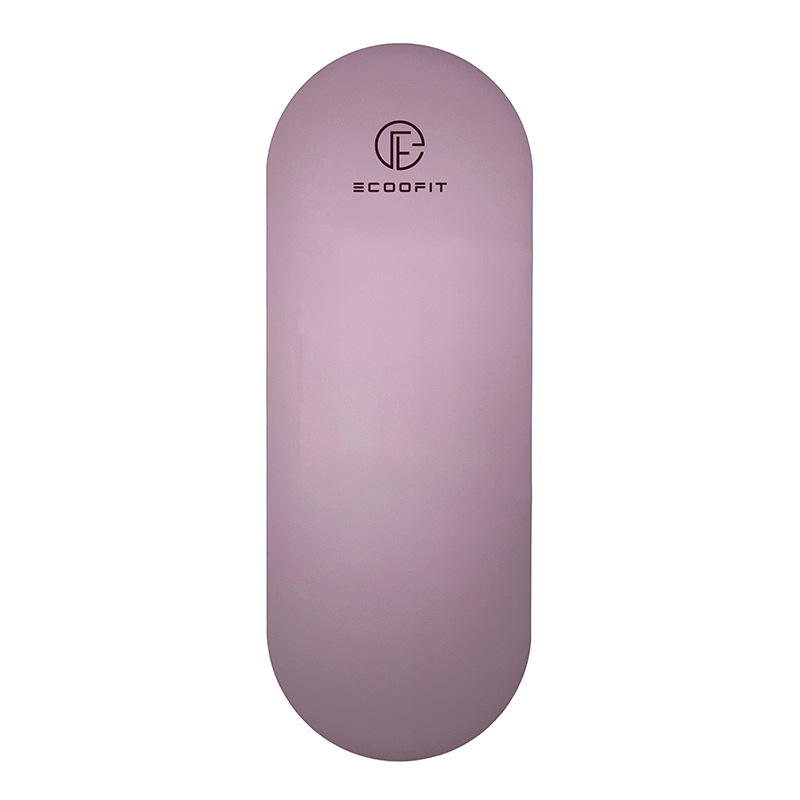
This article explored whether Yin Yoga is suitable for beginners. It highlighted the importance of creating a calm environment and listening to your body during practice. Beginners can benefit from mindfulness and breath techniques while practicing Yin Yoga. We encourage all beginners to try Yin Yoga and discover its benefits. Feel free to share your experiences or ask questions in the comments. For quality yoga mats and props, consider Ecoofit, which offers unique products that enhance your practice and provide great value.
A: Yin Yoga is a gentle practice focusing on long-held poses that benefits yoga beginners by enhancing flexibility and relaxation.
A: A yoga beginner should create a calm space, use a good yoga mat, and have props like cushions for support.
A: Mindfulness helps yoga beginners connect with their bodies and improve their practice by focusing on sensations and breath.
A: Yin Yoga offers yoga beginners increased flexibility, reduced stress, and improved body awareness, making it an ideal choice.
A: A yoga beginner can start by holding poses for 3 to 5 minutes, gradually increasing the duration as they become more comfortable.


