
Views: 0 Author: Site Editor Publish Time: 2026-01-14 Origin: Site

Are you new to yoga and unsure about the right mat thickness? Choosing the perfect yoga mat is essential for a comfortable practice. In this article, we’ll explore the benefits of yoga for beginners and the importance of selecting the right thickness. You’ll learn about 4 mm and 6 mm yoga mats to find the best fit for your needs.
Yoga mats are essential tools for practitioners, especially beginners. They provide a stable, non-slip surface that enhances comfort during practice. By offering cushioning and support, mats help protect joints while allowing for better balance and stability in various poses.
When it comes to yoga mats, you'll find several types available on the market, each designed for different needs and practices. Here’s a quick overview of common types:
Type of Yoga Mat | Thickness Range | Best For |
Travel Mats | 1-2 mm | Portability and travel |
Standard Mats | 4-6 mm | Most yoga styles, including Vinyasa and Hatha |
Extra Thick Mats | 6 mm and above | Restorative practices and joint support |
Travel Mats are ultra-thin and lightweight, perfect for yogis on the go. However, they lack cushioning, making them less suitable for sensitive joints. Standard Mats, typically ranging from 4 mm to 6 mm, strike a balance between portability and comfort, making them ideal for most beginners. Meanwhile, Extra Thick Mats offer maximum cushioning, which is beneficial for those with joint sensitivity or who practice restorative yoga.
Selecting the right yoga mat can significantly impact your practice. Here are some factors to consider:
● Practice Style: If you prefer dynamic practices like Vinyasa, a thinner mat (around 4 mm) may provide better stability. For gentler styles, a thicker mat (6 mm or more) can enhance comfort.
● Personal Comfort: Everyone has different preferences. Some might find a firmer mat more supportive, while others may prefer extra cushioning.
● Surface Type: Consider where you’ll be practicing. Hard surfaces may require a thicker mat for added comfort, while softer surfaces might not need as much padding.
Ultimately, understanding the different types of yoga mats and their specific purposes will help you make an informed choice. Whether you opt for a 4 mm or a 6 mm yoga mat, selecting the right one can enhance your overall experience and support your journey into yoga.
When it comes to yoga mats, thickness plays a crucial role in your practice. It directly influences comfort, stability, and overall performance. Understanding how mat thickness affects these aspects can help you make an informed choice, especially as a beginner.
The thickness of a yoga mat can significantly impact your comfort during practice. Thicker mats, like those measuring 6 mm, provide extra cushioning, which is especially beneficial for beginners. This added padding helps absorb pressure on joints, making poses more comfortable. On the other hand, thinner mats, such as 4 mm options, offer a firmer surface that enhances stability. This firmness is essential for balance poses, allowing you to feel more grounded.
Thickness | Comfort Level | Stability Level | Recommended For |
4 mm | Moderate | High | Dynamic yoga styles |
6 mm | High | Moderate | Restorative practices |
Cushioning is vital for joint protection, particularly for those new to yoga. Beginners often have less experience with various poses, which can lead to discomfort or strain without proper support. A thicker mat (6 mm) provides the necessary cushioning to protect sensitive areas like the knees and wrists during practice. This is especially important when performing poses that require prolonged contact with the ground, such as Child's Pose or Savasana.
Yoga mats typically come in several thickness options, with 4 mm and 6 mm being the most common for beginners. Here’s a brief overview of these options:
● 4 mm Yoga Mats: These mats are lightweight and portable, making them ideal for yogis who travel. They provide good stability for balance poses but may lack cushioning for those with sensitive joints.
● 6 mm Yoga Mats: Offering more cushioning, these mats are perfect for restorative yoga and beginners who need extra support. However, they can be bulkier and less portable than their thinner counterparts.
In addition to these standard options, some mats can vary in thickness, going up to 8 mm or more for those who require maximum cushioning. Ultimately, the choice of thickness depends on your personal preferences and the type of yoga you practice.
By understanding how thickness impacts comfort and performance, you can select the right mat to enhance your yoga experience. Whether you choose a 4 mm or a 6 mm yoga mat, finding the best fit is key to enjoying your practice and staying injury-free.
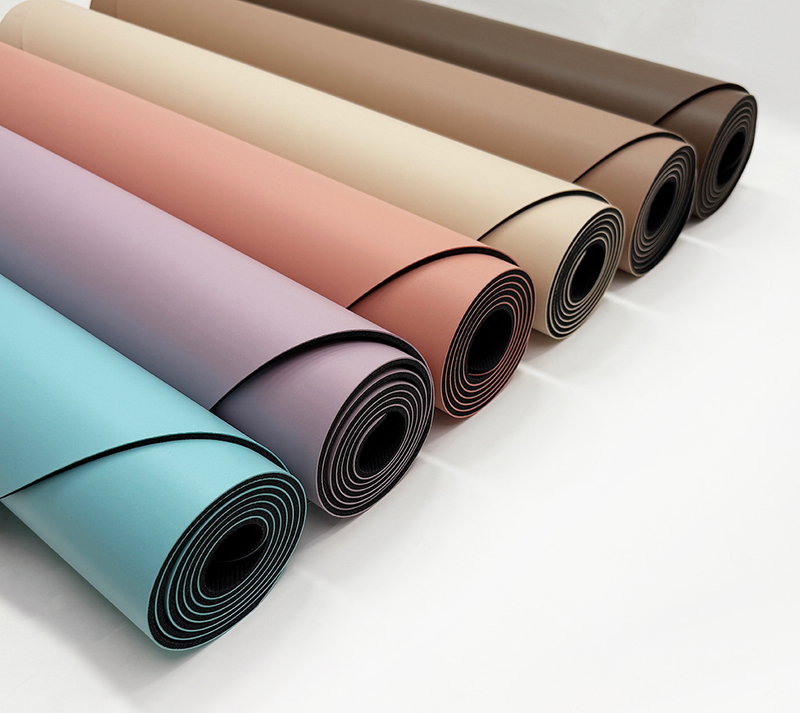
Choosing the right thickness for your yoga mat is crucial, especially for beginners. The thickness impacts comfort, stability, and overall experience during practice. Let’s dive into the specifics of 4 mm and 6 mm yoga mats to understand their advantages and disadvantages.
4 mm yoga mats are a popular choice for many beginners. They offer a balance between portability and support. Typically, these mats are designed for various yoga styles, making them versatile for different practices.
One of the main benefits of 4 mm mats is their lightweight nature, which makes them easy to carry to classes or outdoor sessions. They also provide a good ground connection, enhancing stability during poses. This is particularly beneficial for balance-focused practices like Vinyasa or Hatha.
● Lightweight and Portable: Easy to transport, making them ideal for yogis on the go.
● Good Ground Connection: Helps maintain stability in standing and balance poses.
● Versatile Use: Suitable for various yoga styles, allowing beginners to explore different practices.
While 4 mm mats have their advantages, they also come with some downsides. The cushioning may not be sufficient for those with sensitive joints. Beginners might find them uncomfortable on hard surfaces during prolonged poses, leading to discomfort.
Here are a few popular 4 mm yoga mats that beginners often prefer:
Mat Name | Features | Price Range |
Manduka PRO Lite | Eco-friendly, durable | $80 - $100 |
Liforme Yoga Mat | Excellent grip, alignment guide | $120 - $140 |
Gaiam Cork Yoga Mat | Natural cork surface, non-toxic | $50 - $70 |
6 mm yoga mats provide extra cushioning, making them a great option for beginners who need more support. These mats are ideal for restorative practices and can enhance comfort during longer sessions.
The additional thickness offers significant joint protection, which is crucial for those new to yoga. It allows beginners to focus on their practice without worrying about discomfort from hard surfaces.
● Extra Cushioning: Provides better support for knees and wrists, reducing strain.
● Ideal for Restorative Practices: Perfect for gentle yoga sessions, promoting relaxation.
● Comfort for Longer Sessions: Enhanced padding allows for extended practice without discomfort.
However, 6 mm mats can be heavier and bulkier, making them less portable. Additionally, the extra cushioning may reduce stability in balance poses, which could be challenging for some beginners.
Here are some popular 6 mm yoga mats that cater to beginners:
Mat Name | Features | Price Range |
Jade Yoga Harmony Mat | Eco-friendly, excellent grip | $70 - $90 |
Liforme Yoga Mat | Extra cushioning, alignment guide | $120 - $140 |
prAna E.C.O Yoga Mat | Non-toxic, durable | $60 - $80 |
By understanding the differences between 4 mm and 6 mm yoga mats, beginners can make informed choices that enhance their practice. Whether you prioritize portability or cushioning, knowing what each thickness offers will help you find the perfect fit for your yoga journey.
Selecting the right thickness for your yoga mat involves several key factors. These include personal comfort, the type of yoga practiced, and the environment where you’ll be practicing. Understanding these elements can help you make the best choice for your needs.
Personal comfort is paramount when choosing a yoga mat. Everyone has different sensitivity levels, especially regarding joint comfort. For beginners or those with joint issues, cushioning becomes essential. A thicker mat, like a 6 mm option, provides better support for sensitive knees and wrists.
● For Individuals with Prior Injuries: If you have a history of joint pain or injuries, a 6 mm mat can help alleviate discomfort during practice. It offers more cushioning, which is crucial for safety.
● Expert Advice: Many yoga instructors recommend starting with a thicker mat if you're unsure about your comfort level. It allows you to explore poses without the worry of joint strain.
The type of yoga you choose can significantly influence your mat thickness preference. Different styles have unique demands, affecting the level of support you need.
Yoga Style | Recommended Mat Thickness | Description |
Hatha | 4 mm to 6 mm | Gentle and slower-paced, suitable for both thicknesses. |
Vinyasa | 4 mm | Fast-paced; a thinner mat enhances balance. |
Yin | 6 mm | Focused on long-held poses; extra cushioning is beneficial. |
For example, Vinyasa yoga, characterized by dynamic movements, often benefits from a thinner mat (4 mm) to enhance stability and connection with the ground. In contrast, restorative practices like Yin yoga require more cushioning (6 mm) to support long-held poses comfortably.
Where you practice yoga can also affect your mat choice. Practicing at home versus in a studio presents different challenges, especially regarding flooring.
● Home vs. Studio: If you're practicing on a carpeted surface at home, a thinner mat may suffice. However, if you're on a hard floor, a thicker mat (6 mm) will provide better comfort and support.
● Flooring Type: The type of surface you practice on can impact your experience. Hard floors can lead to discomfort during long sessions, making thicker mats a better choice.
● Using Thicker Mats: If you primarily practice on hard surfaces, consider opting for a 6 mm mat to enhance comfort and reduce strain on your joints. Conversely, if you practice on softer surfaces, a 4 mm mat might be adequate.
By considering personal comfort, the type of yoga practiced, and your practice environment, you can select the most suitable mat thickness for your journey. This thoughtful approach ensures a more enjoyable and safe yoga experience.
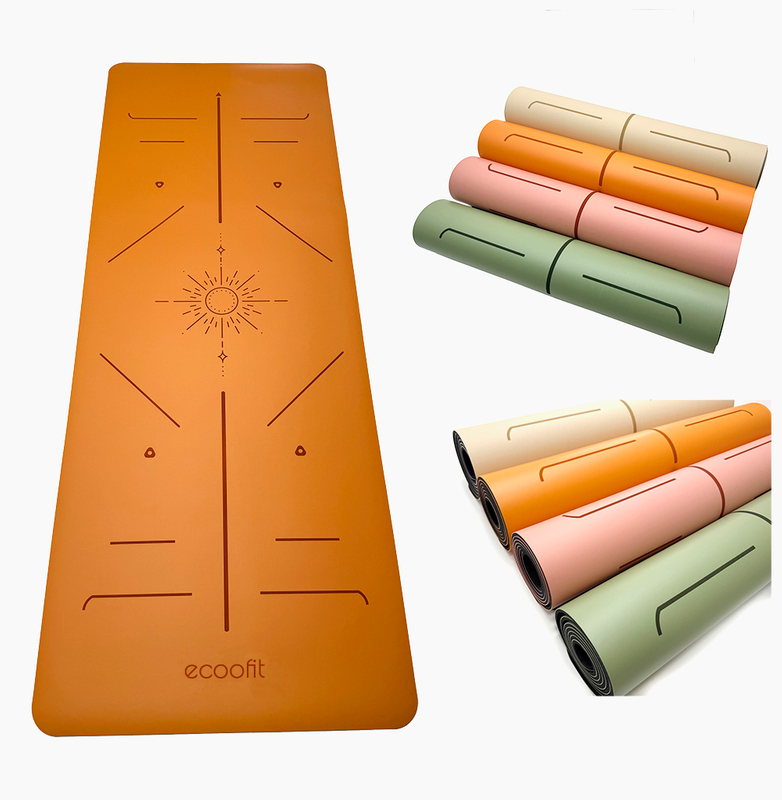
As you embark on your yoga journey, having the right mat is just the beginning. Here are some additional tips to enhance your experience and ensure you make the most out of your practice.
Before committing to a yoga mat, it’s essential to try out different options. This allows you to gauge comfort and stability, which are crucial for a positive practice experience.
● Visit Local Stores or Studios: Many yoga studios and specialty stores offer mats for testing. Don’t hesitate to ask if you can try them out before buying.
● Stability and Comfort: When testing a mat, practice a few poses, especially those that require balance, like Tree Pose or Warrior III. Pay attention to how the mat feels under your feet and whether it provides the support you need.
Keeping your yoga mat clean and well-maintained is vital for your health and longevity of the mat. Here are some helpful tips for maintaining your mat:
● Regular Wipe-Downs: After each use, wipe your mat with a damp cloth to remove sweat and dirt. This simple step helps keep your mat hygienic.
● Deep Cleaning: Every few weeks, give your mat a thorough clean. Use a mild soap solution or a specialized yoga mat cleaner. Avoid harsh chemicals that could damage the material.
Cleaning Technique | Frequency | Recommended Products |
Wipe down with cloth | After each use | Water and mild soap |
Deep clean | Every 1-2 weeks | Yoga mat cleaner or vinegar |
Keeping your mat clean not only prolongs its lifespan but also prevents the buildup of bacteria and odors, ensuring a healthier practice environment.
Yoga mats come in a range of prices, and it’s important to find one that fits your budget while still meeting your needs. Here’s a quick overview of what you can expect:
Thickness | Price Range | Budget-Friendly Options |
4 mm | $20 - $100 | Gaiam Essentials Mat |
6 mm | $30 - $120 | Liforme Travel Mat |
While it might be tempting to opt for a cheaper mat, investing in a quality yoga mat can pay off in the long run. A durable mat provides better support, is more comfortable, and can last for years, making it a worthwhile investment compared to frequently replacing cheaper alternatives.
By considering these additional tips, you can ensure that your yoga practice is both enjoyable and effective. Whether it's testing mats, maintaining them, or budgeting wisely, these steps will help you create a positive foundation for your yoga journey.
This article discussed the best thickness for yoga mats for beginners. It emphasized the importance of comfort, stability, and personal needs when selecting a mat. Beginners are encouraged to choose a mat that fits their practice style, whether it be 4 mm or 6 mm. For those seeking quality, Ecoofit offers durable mats designed for comfort and support. Their products provide great value for yoga enthusiasts. Readers are invited to share their experiences with yoga mat thickness and to subscribe for more tips on yoga practices.
A: The best thickness for yoga mats for beginners typically ranges from 4 mm to 6 mm, depending on personal comfort and practice style.
A: Thickness affects comfort and stability. A thicker mat can provide more cushioning for sensitive joints, making it ideal for beginners.
A: If you prefer more support during poses, a 6 mm yoga mat may be better. For balance and stability, a 4 mm mat is often preferred.
A: Generally, thicker yoga mats can be pricier due to added materials, but there are budget-friendly options available in both thicknesses.
A: Regular cleaning and proper storage are key. Use mild soap and water to keep your yoga mats hygienic and in good condition.


