
Views: 0 Author: Site Editor Publish Time: 2026-01-19 Origin: Site

Choosing the right yoga mat can transform your practice. Have you ever wondered which type is best for you? In this article, we will explore the differences between rubber and foam yoga mats. You’ll learn about their benefits, drawbacks, and what to consider when selecting the perfect mat for your needs.
Yoga mats are essential tools for practitioners, providing a stable surface for performing various poses. They help prevent slipping and support your body during practice. A quality yoga mat enhances comfort and safety, making it easier to focus on your movements and breathing.
Having the right mat can significantly impact your practice. A good mat absorbs impact and offers cushioning, which is crucial for protecting your joints. Whether you are a beginner or an experienced yogi, investing in a quality mat is vital for a successful yoga journey.
When selecting a yoga mat, it’s important to understand the different types available. Here’s a brief overview of popular options:
Type of Yoga Mat | Material Composition | Benefits | Drawbacks |
Foam Yoga Mats | PVC, TPE, EVA | Lightweight, portable, affordable | Less durable, may compress over time |
Rubber Yoga Mats | Natural or recycled rubber | Excellent grip, durable, eco-friendly | Heavier, can have an odor |
Other Materials | Jute, Cotton, Cork | Unique textures, eco-friendly options | Varies in performance and price |
Foam yoga mats are often the go-to choice for beginners. They are lightweight and easy to carry, making them ideal for travel. Typically made from materials like PVC or TPE, these mats provide a cushioned surface that is gentle on the joints. However, they may not offer the durability needed for long-term use. Over time, foam mats can compress, losing their supportiveness and grip.
Rubber yoga mats are known for their stability and traction. Made from natural or recycled rubber, they provide a non-slip surface that enhances safety during practice. These mats are durable and can withstand heavy use, making them a great investment for regular practitioners. While they may be heavier and more expensive than foam mats, their longevity and performance often justify the cost.
In addition to foam and rubber, there are other materials worth considering. Jute and cotton mats offer a unique texture and are often more eco-friendly. Cork mats are also gaining popularity for their natural properties and sustainability. Each material has its own advantages and disadvantages, so it’s essential to choose one that aligns with your practice style and environmental values.
Exploring these options will help you find the perfect yoga mat that fits your needs and enhances your practice.
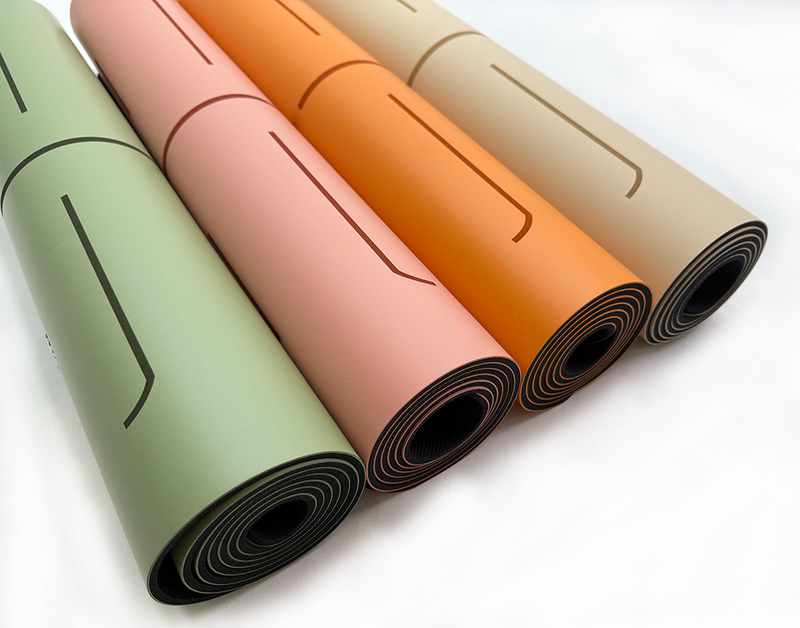
When deciding between rubber and foam yoga mats, several key factors can influence your choice. Understanding these aspects will help you find the right mat for your practice.
Thickness is a crucial factor in choosing a yoga mat. Typically, foam mats range from 1/8 inch to 1/2 inch thick, while rubber mats usually have a thickness of about 1/4 inch to 3/8 inch.
Type of Mat | Thickness Range |
Foam Mats | 1/8 inch to 1/2 inch |
Rubber Mats | 1/4 inch to 3/8 inch |
The thickness of the mat impacts comfort and joint support. Thicker mats provide more cushioning, making them ideal for sensitive joints. However, too much thickness can affect stability, especially in balance poses.
The texture of a yoga mat significantly affects grip and stability. Rubber mats typically offer a sticky, non-slip surface, which helps prevent sliding during practice. Foam mats, while softer, can become slippery, especially when wet.
This difference in texture can influence performance in various poses. For instance, in downward dog or warrior poses, a rubber mat's grip can enhance stability, allowing for better focus on alignment and breathing.
Firmness is another important consideration. Rubber mats are generally denser and provide a stable surface, which is beneficial for balance and support. Foam mats, on the other hand, are softer and may compress under weight, leading to instability during certain poses.
A firmer mat can enhance your balance in standing poses, while a softer mat might feel more comfortable for seated or restorative practices. Finding the right balance between comfort and support is essential for an effective yoga experience.
Weight can affect how easily you transport your yoga mat. Foam mats are usually lighter, making them convenient for travel or carrying to classes. In contrast, rubber mats tend to be heavier, which can be a drawback for those who frequently move their mats.
Considerations for Portability:
● Foam Mats: Lightweight and easy to carry.
● Rubber Mats: Heavier, may require more effort to transport.
Sustainability is becoming increasingly important for many yoga practitioners. Rubber mats, especially those made from natural or recycled rubber, are often more eco-friendly options. They can be biodegradable, reducing their environmental impact.
Foam mats, however, are typically made from synthetic materials like PVC or TPE, which may not be as environmentally friendly. When choosing a mat, consider the materials and manufacturing practices to align with your eco-conscious values.
New yoga mats, particularly rubber ones, can have a distinct odor. This smell usually fades over time but can be off-putting for some users. Foam mats generally have a milder scent, making them more appealing initially.
To manage odors, allowing your mat to air out before use can help. Additionally, using a mat spray or cleaning solution can keep your mat fresh and odor-free.
Price is often a deciding factor when selecting a yoga mat. Rubber mats typically range from $25 to $60, depending on quality and brand. Foam mats are generally more affordable, with prices starting around $10 to $30.
While foam mats are cheaper upfront, consider their durability. Rubber mats may cost more initially but can last longer, offering better value in the long run.
Type of Mat | Price Range |
Foam Mats | $10 to $30 |
Rubber Mats | $25 to $60 |
Understanding these key factors will help you make an informed decision about which mat is best suited for your yoga practice.
Rubber yoga mats offer several advantages that make them a popular choice among practitioners. From stability to eco-friendliness, these mats provide a range of benefits that enhance your yoga experience.
One of the standout features of rubber yoga mats is their exceptional stability. The natural texture of rubber provides a solid grip, which is essential for maintaining balance during various poses. This is particularly beneficial in dynamic flows or hot yoga sessions, where sweat can make surfaces slippery.
With a rubber mat, you can confidently transition between poses without worrying about slipping. This stability allows you to focus on your practice and alignment, enhancing both safety and performance.
Type of Mat | Grip Level | Best Use Cases |
Rubber Mats | High | Hot yoga, dynamic flows |
Foam Mats | Moderate | Gentle yoga, restorative practices |
Durability is another significant advantage of rubber yoga mats. Unlike foam mats, which can wear down quickly, rubber mats are built to last. They can withstand regular use without losing their shape or support.
Key Points on Durability:
● Longevity: Rubber mats can last for years, making them a worthwhile investment.
● Resistance to Wear: They resist punctures and tears, ensuring they maintain their integrity over time.
This resilience means you won’t need to replace your mat frequently, saving you money in the long run.
In today’s world, sustainability is a critical consideration for many consumers. Rubber yoga mats often come from natural or recycled materials, making them a more eco-friendly choice compared to synthetic options.
Benefits of Eco-friendly Rubber Mats:
● Sustainably Sourced: Many brands offer mats made from organic rubber, which reduces environmental impact.
● Biodegradable: Unlike foam mats, rubber mats can break down naturally, minimizing waste.
Choosing a rubber mat not only benefits your practice but also supports eco-conscious choices. By selecting sustainable materials, you contribute to a healthier planet while enjoying the performance advantages of rubber.
Rubber yoga mats stand out for their stability, durability, and eco-friendliness, making them an excellent choice for any practitioner looking to enhance their yoga experience.
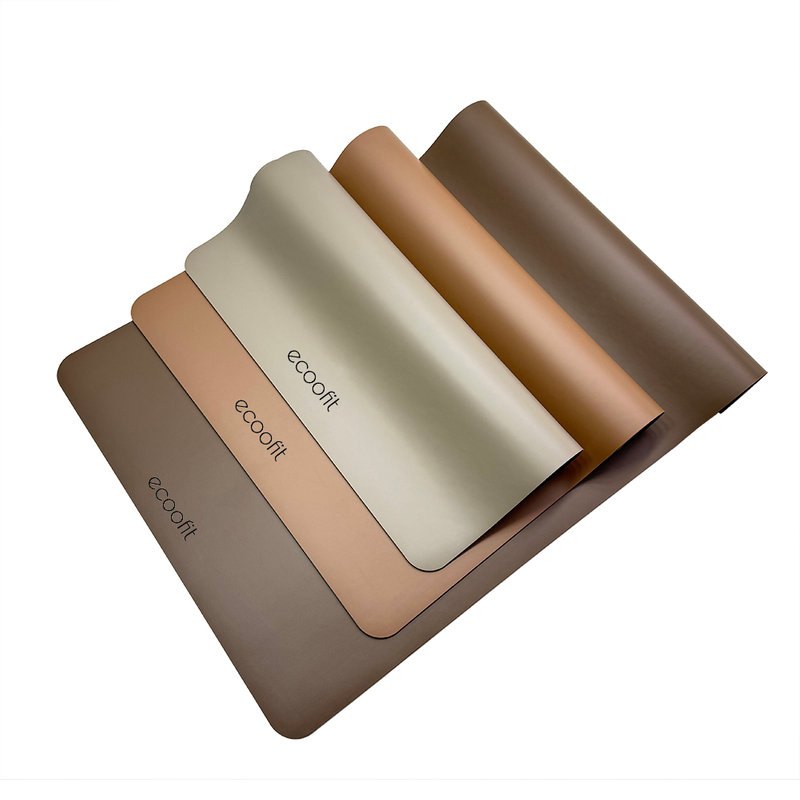
Foam yoga mats provide unique advantages that cater to various practitioners, especially those just starting their yoga journey. From cushioned support to affordability, these mats offer features that enhance comfort and convenience.
Foam mats are well-known for their cushioned support, making them an excellent choice for beginners or individuals with joint sensitivities. The soft surface helps absorb impact, providing a comfortable experience during practice. This cushioning is particularly beneficial for poses that put pressure on the knees or wrists, allowing users to focus on their movements without discomfort.
Key Benefits of Cushioned Support:
● Joint Protection: Foam mats reduce the strain on joints, making yoga accessible for everyone.
● Comfort in Poses: The soft texture allows for a more enjoyable experience, especially in seated or restorative poses.
For those new to yoga, having a comfortable surface can boost confidence and encourage regular practice.
One of the standout features of foam yoga mats is their lightweight nature. These mats are easy to carry, making them perfect for practitioners who travel or attend classes outside their homes. The portability of foam mats allows you to effortlessly roll them up and take them anywhere, whether it’s to a yoga studio, a friend’s house, or even on vacation.
Recommendations for Easy-to-Carry Foam Mats:
Mat Type | Weight | Ideal For |
Standard Foam Mats | 1.5 to 3 lbs | Everyday use |
Travel Foam Mats | 1 to 1.5 lbs | Frequent travelers |
These mats are designed for convenience, so you can easily fit them into your bag without adding too much weight.
When it comes to price, foam yoga mats are often more budget-friendly than their rubber counterparts. You can find quality foam mats ranging from $10 to $30, making them accessible for those just starting out. This affordability allows beginners to invest in a mat without breaking the bank.
Type of Mat | Price Range |
Foam Mats | $10 to $30 |
Rubber Mats | $25 to $60 |
Foam mats provide excellent value for money, especially for casual practitioners who may not need a high-end mat. While they might not last as long as rubber mats, their lower price makes them a practical choice for those exploring yoga.
Foam yoga mats are ideal for those seeking comfort, portability, and affordability. They cater to beginners and casual practitioners, making yoga accessible and enjoyable for everyone.
While both rubber and foam yoga mats have their advantages, they also come with certain drawbacks that practitioners should consider. Understanding these limitations can help you make an informed decision based on your specific needs.
Rubber yoga mats are often praised for their durability and grip, but they do have some challenges.
One of the main drawbacks of rubber mats is their weight. Generally heavier than foam mats, rubber mats can be cumbersome to carry, especially for those who regularly travel to classes or outdoor sessions.
Weight Comparison:
Type of Mat | Weight Range |
Rubber Mats | 4 to 6 lbs |
Foam Mats | 1 to 3 lbs |
The added weight can make it difficult to transport them in a yoga bag or backpack, which might discourage some from taking their mat on the go.
Another common issue with rubber mats is the initial odor. Many users report a strong smell when they first purchase a rubber mat, which can be off-putting. This odor typically diminishes over time, but it can be unpleasant during initial use.
Additionally, cleaning rubber mats can be tricky. They often require specific cleaning solutions to maintain their quality, and improper cleaning can lead to deterioration.
Foam mats are lightweight and affordable, but they come with their own set of drawbacks.
One significant downside of foam mats is their lack of durability. Over time, foam can compress, losing its cushioning and support.
Durability Comparison:
Type of Mat | Durability | Lifespan |
Rubber Mats | High | 5+ years |
Foam Mats | Moderate | 1 to 3 years |
As a result, users may find themselves needing to replace foam mats more frequently, which can add to the overall cost of practice.
Another concern with foam mats is their tendency to become slippery when wet. This can pose a safety risk, particularly during hot yoga or intense workouts where sweating is common.
Practitioners may struggle to maintain balance in poses, which could lead to slips or falls. This lack of grip can be frustrating and counterproductive, especially for those looking to deepen their practice.
Both rubber and foam yoga mats have their drawbacks, from weight and odor issues to durability concerns and safety risks. By considering these factors, you can choose a mat that best fits your lifestyle and practice.
This article explores the benefits and drawbacks of rubber and foam yoga mats. Rubber mats offer stability and durability, making them ideal for serious practitioners. Foam mats provide cushioned support and are lightweight, perfect for beginners. Choosing the right yoga mat depends on individual needs and practice styles. Readers should consider their preferences when making a decision. For those seeking quality, Ecoofit offers exceptional yoga mats designed to enhance your practice and provide lasting value.
A: Rubber yoga mats are known for their stability and grip, making them ideal for various yoga styles, especially dynamic flows.
A: Foam yoga mats provide more cushioning and are lighter, making them suitable for beginners and those with joint sensitivities.
A: Eco-friendly yoga mats, like those made from natural rubber, reduce environmental impact while providing excellent performance during practice.
A: Prices for yoga mats vary; rubber mats usually range from $25 to $60, while foam mats are often more affordable, starting around $10.
A: Yes, rubber yoga mats offer great grip, making them suitable for hot yoga sessions where sweat can make surfaces slippery.


