
Views: 0 Author: Site Editor Publish Time: 2026-01-12 Origin: Site

Choosing the right outfit for yoga class is crucial for beginners. The right clothing enhances comfort and flexibility, making your practice more enjoyable. In this post, you’ll learn about essential yoga attire, including tops, bottoms, jumpsuits, socks, and mats to help you get started.
When it comes to yoga, choosing the right clothing is essential. The key is to focus on breathable, flexible, and moisture-wicking materials. These features ensure comfort, allowing you to move freely during your practice.
Here’s a quick overview of the most popular fabrics:
Fabric Type | Benefits | Drawbacks |
Polyester | Lightweight, durable, moisture-wicking | Can retain odors |
Nylon | Strong, stretchy, quick-drying | Less breathable than others |
Spandex | Excellent flexibility, form-fitting | Can be too tight if not sized correctly |
These materials are designed to keep you comfortable as you flow through poses. They help wick away sweat and prevent chafing, which is crucial for a positive experience.
● Avoid Cotton: While cotton is soft, it absorbs moisture and can lead to discomfort. It becomes heavy when wet, making it hard to focus on your practice.
● Choose the Right Fit: Look for clothing that is snug but not restrictive. This allows for full range of motion while preventing distractions.
In summary, selecting the right fabrics can significantly enhance your yoga experience. Consider your comfort and the type of yoga you plan to practice when choosing your attire. With the right clothing, you can focus on your poses and enjoy your journey as a yoga beginner.
When starting your yoga journey, the right top is crucial. Beginners can choose from various options, including tank tops, t-shirts, and long sleeves. Each type offers unique benefits tailored to different practices. For instance, tank tops are great for hot yoga, while long sleeves might be more suitable for restorative sessions.
● Breathability: Fabrics should allow air circulation.
● Fit: Ensure it’s snug but not restrictive.
● Moisture-Wicking: Helps keep you dry during practice.
Different styles cater to various yoga practices. For hot yoga, opt for lightweight, breathable tanks. In contrast, a fitted t-shirt works well for vinyasa, while long sleeves can provide warmth during restorative yoga.
Next, let’s talk about yoga bottoms. You have several choices: yoga pants, leggings, and shorts. Each has its pros and cons, so let’s break it down.
Type | Pros | Cons |
Yoga Pants | Comfortable, flexible | May be too loose for some |
Leggings | Form-fitting, non-restrictive | Can be see-through if thin |
Shorts | Great for hot classes | May ride up during poses |
● High-Waisted Options: These provide extra coverage and support.
● Flexibility: Look for materials that stretch.
● Non-See-Through Materials: This is crucial to avoid awkward moments during class.
When choosing the right fit, consider your body type. For instance, high-waisted leggings can be flattering and functional. Just remember, ensure your leggings pass the squat test to avoid any embarrassing situations.
Yoga jumpsuits are a fantastic choice for beginners. They offer a one-piece solution, making them easy to wear and style. The benefits are numerous, including comfort and ease of movement.
● Comfort: Choose soft, stretchy materials.
● Ease of Movement: Ensure it allows full range of motion.
● Style: Find a design that suits your personal taste.
Popular brands like Liforme and Alo Yoga offer stylish options that first-time yogis love. The versatility of jumpsuits means you can wear them beyond yoga class, whether for running errands or lounging at home.
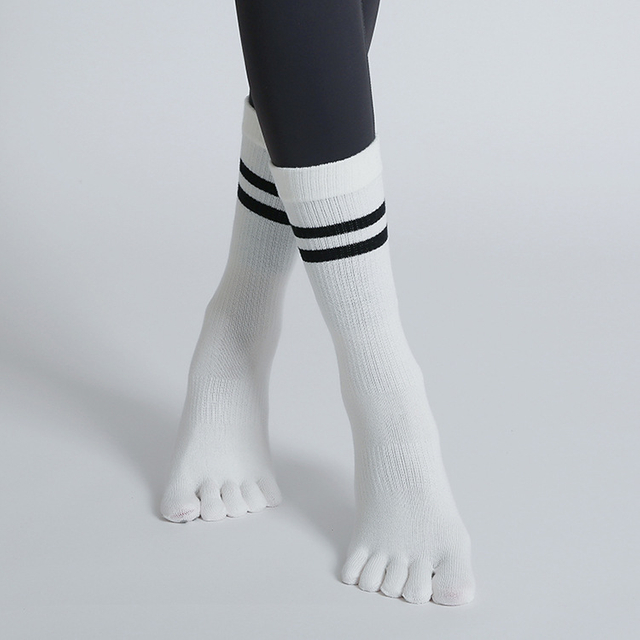
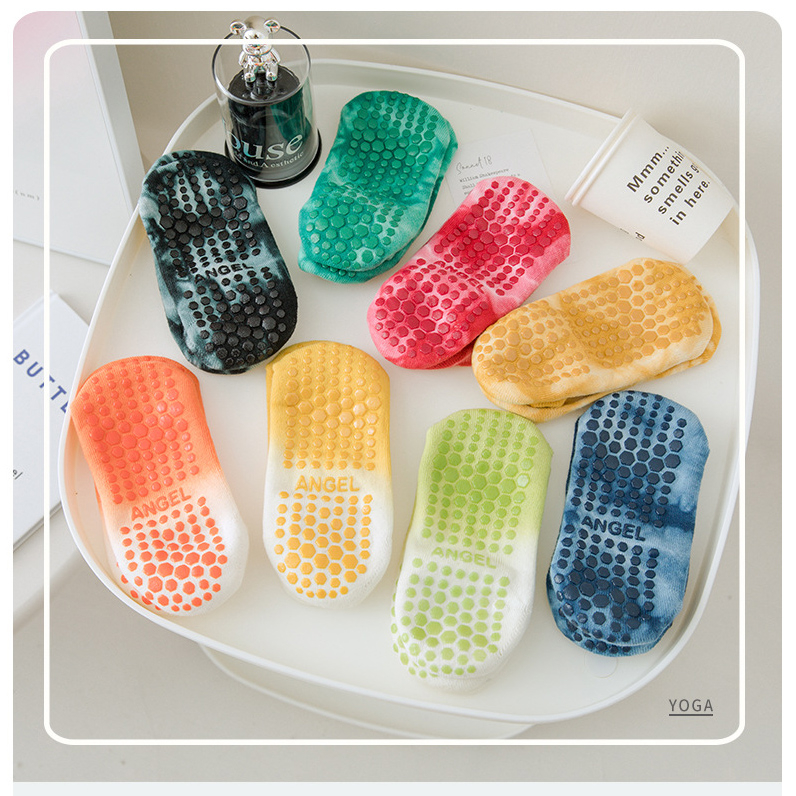
Many beginners wonder about yoga socks. These specialized socks can enhance your practice by providing grip and warmth. They are especially useful in cooler environments or during restorative classes.
● Non-Slip Grip: This helps prevent slipping on the mat.
● Breathability: Ensure they allow for airflow to keep feet comfortable.
Brands like ToeSox and Gaiam offer excellent options for yoga socks. If you tend to get cold easily, consider wearing socks during your practice for added warmth.
Having a personal yoga mat is essential for any beginner. It’s not just about comfort; it’s also about hygiene. Using your own mat ensures cleanliness and familiarity.
● Thickness: A thicker mat provides more cushioning, while a thinner one allows for better stability.
● Material: Look for mats made from eco-friendly materials that offer good grip.
● Grip: Ensure it provides traction to prevent slipping during poses.
For beginners, mats from brands like Manduka or Jade Yoga are highly recommended. They balance comfort and durability, perfect for those just starting their yoga journey.
A yoga towel can be a game-changer, especially in hot classes. It helps absorb sweat and keeps your mat dry, allowing you to focus fully on your practice. When looking for a yoga towel, consider features like absorbency and grip.
● Absorbency: Choose towels made from quick-drying materials.
● Grip: A non-slip surface is essential to prevent sliding during poses.
Using a towel strategically can prevent slipping, enhancing your stability in challenging positions. It’s a simple yet effective accessory that can improve your overall experience.
Staying hydrated is crucial during yoga practice. Proper hydration helps maintain energy levels and focus. When selecting a water bottle, consider eco-friendly and stylish options that make it easy to stay refreshed.
Feature | Details |
Material | Look for BPA-free plastic or stainless steel. |
Design | Opt for a bottle that’s easy to carry and open. |
Size | Choose a size that fits in your yoga bag comfortably. |
Brands like S'well and Hydro Flask offer trendy options that keep your drinks cold or hot. A good water bottle not only serves a practical purpose but also adds a touch of style to your yoga gear.
Layering is essential before and after class, especially in cooler environments. An athletic jacket or sweater can provide warmth during your commute or while waiting for class to start.
● Lightweight Options: Choose breathable fabrics to prevent overheating.
● Zippered Jackets: These allow for easy temperature control during and after practice.
A practical tip is to opt for jackets that are easy to remove and pack away. This way, you can adjust your layers as needed without fuss. Look for styles that combine comfort and functionality, ensuring you stay cozy throughout your yoga journey.
Finding the right fit is crucial for any yoga beginner. When shopping for yoga clothing, it’s important to try on different pieces and test their flexibility. You want to ensure that your attire allows for a full range of motion without any restrictions.
● Avoid Riding Up: Choose items that stay in place during movement.
● Check for Restrictions: Make sure the clothing doesn’t pinch or squeeze.
A great tip is to perform a few yoga poses in the dressing room. This way, you can assess how the clothing feels when you bend, stretch, or twist. If something feels off, it’s better to keep looking.
Many beginners make mistakes when selecting yoga clothing. One common pitfall is choosing cotton fabrics. While they may feel comfortable, cotton absorbs moisture and can become heavy, leading to discomfort during practice.
Mistake | Why to Avoid |
Cotton Fabrics | Absorb sweat, become heavy, and restrict movement. |
Overly Loose Clothing | Can get in the way during poses and distract you. |
Clothing with Zippers | May cause discomfort or irritation during practice. |
Rough Seams | Can chafe and create distractions while you practice. |
It’s also important to consider how your clothing choices affect your focus and practice. If your outfit is uncomfortable or distracting, it can take away from your experience on the mat. Always prioritize comfort and functionality over style when making your selections. Remember, the right attire can enhance your practice and help you stay present.
Setting up a dedicated space for yoga at home can significantly enhance your practice. Choose a quiet area where you can roll out your mat without distractions. Adding personal touches, like plants or calming artwork, can create a serene environment that encourages mindfulness.
Practicing with a friend can make yoga more enjoyable and motivating. A yoga buddy can help keep you accountable, share tips, and provide support as you both navigate your yoga journeys. Plus, it’s a great way to bond and have fun together!
Different yoga styles cater to various preferences and goals. For beginners, exploring styles like Hatha, Vinyasa, or Yin can help you find what resonates most with you. Each style offers unique benefits, whether you seek relaxation, strength, or flexibility.
Establishing realistic goals for your yoga practice can help keep you motivated. Whether it's mastering a specific pose or committing to a routine, setting achievable milestones allows you to track your progress and celebrate your achievements along the way.
Taking care of your yoga mat is essential for hygiene and longevity. Regular cleaning helps prevent the buildup of bacteria and odors. Use a gentle soap solution or a specialized mat cleaner, and wipe it down after each use. For deeper cleans, consider soaking it in warm water and then air drying it away from direct sunlight.
Proper care of your yoga attire can extend its lifespan. Always check the care labels for specific washing instructions. It’s generally best to wash yoga clothes in cold water and avoid fabric softeners, which can reduce moisture-wicking properties. Hang drying is recommended to maintain elasticity and shape.
Organizing your yoga gear can make your practice more enjoyable. Designate a specific area for your mat, towels, and clothing to keep everything accessible. Consider using a storage bin or a designated shelf to keep your space tidy and clutter-free.
As you progress in your yoga journey, you may find that your needs change. Investing in high-quality gear, like supportive mats or specialized clothing, can enhance your practice. Keep an eye out for sales or discounts on reputable brands to upgrade your essentials without breaking the bank.
This article highlights essential items for yoga beginners, including tops, bottoms, socks, and mats. Comfort and fit are crucial for an enjoyable practice. Beginners are encouraged to prioritize confidence in their attire. Choosing the right gear can enhance focus and performance. Readers are invited to share their experiences and favorite yoga outfits in the comments. For quality yoga gear, consider Ecoofit, which offers products designed for comfort and durability, adding great value to your practice.
A: A yoga beginner should choose comfortable, breathable clothing like fitted tops and stretchy bottoms to allow for movement.
A: Wearing the right attire helps yoga beginners focus on their practice without distractions from uncomfortable clothing.
A: Yoga beginners should try on clothes and perform a few poses to check for comfort and flexibility before purchasing.
A: Yes, yoga beginners can benefit from non-slip socks that provide grip and warmth during practice.
A: Yoga jumpsuits offer a one-piece solution, ensuring ease of movement and eliminating the worry of clothing shifting during practice.


